Emergency Plumber Mid-City: Multiple Drains Backed Up
Multiple drains backing up in your Mid-City home? Learn why this happens, warning signs, DIY limits, and when to call an emergency plumber.
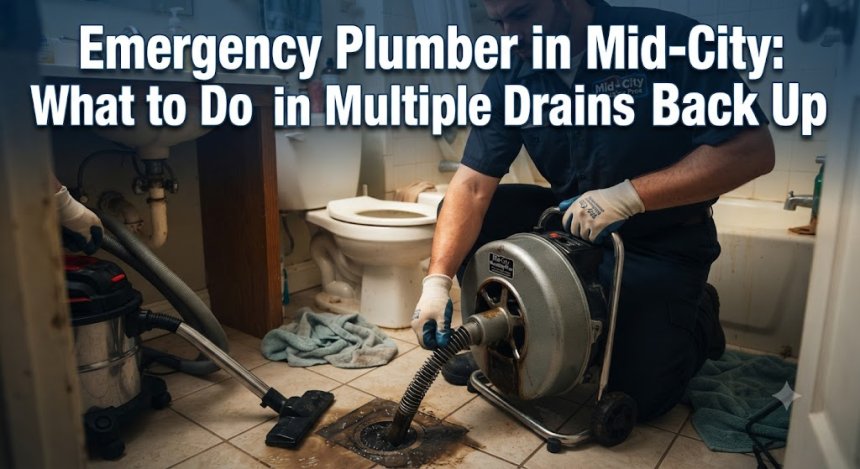
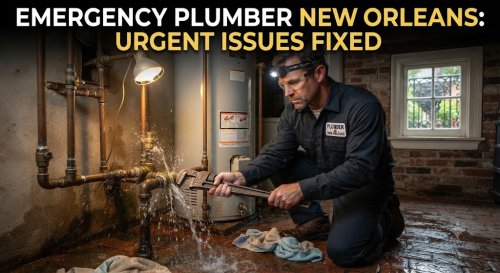
An emergency plumber in Mid-City is often called when a homeowner discovers that multiple plumbing fixtures are draining slowly or pushing wastewater back into the home simultaneously. This stressful situation typically affects historic properties throughout Mid-City, Uptown, and the French Quarter, where aging infrastructure and mature oak trees frequently interact with private sewer laterals. When wastewater backs up from shower pans, floor drains, and toilets at the same time, it indicates a blockage or structural failure deep within the main sewer line rather than a simple localized clog in a single sink. Immediate attention is crucial to prevent raw sewage from contaminating living spaces, damaging flooring, and creating hazardous indoor air quality. Residents search for this topic frantically when sewage begins pooling in their bathrooms or kitchens, needing urgent guidance on how to contain the mess, protect their property, and find a reliable local professional.
What Is Multiple Drains Backing Up?
Multiple drains backing up is a plumbing failure where wastewater from various household fixtures is unable to exit through the main sewer line, forcing it to reverse direction and escape through the lowest openings in the house. Common situations involve flushing a toilet and watching water bubble up into the bathtub, or running the washing machine and seeing sudsy water flood a basement or utility room floor. Symptoms range from slow, gurgling drains to sudden, aggressive overflows of dark, foul-smelling water. For example, if your kitchen sink fills up every time you run the dishwasher, and your downstairs shower is simultaneously pooling water, the obstruction is located in the main drain stack or the exterior sewer lateral. This occurs because the main pipe is completely blocked or collapsed, cutting off the path to the municipal sewer main.
Why Does This Plumbing Problem Happen?
Main sewer line blockages and subsequent backups stem from a variety of mechanical, environmental, and structural factors common in residential properties.
-
Aging pipes: Historic homes often feature cast iron or clay pipes that deteriorate, crack, or collapse over decades of use.
-
Corrosion: Internal rust buildup narrows the interior diameter of metal pipes, catching hair, grease, and debris.
-
Tree roots: Aggressive root systems seek out moisture through tiny joints in sewer pipes, eventually crushing or blocking the line.
-
Hard water: Mineral scaling narrows pipe walls over time, drastically reducing water flow efficiency.
-
High water pressure: Excessive municipal pressure can stress older joints, though backups are more commonly caused by downstream restrictions.
-
Improper installation: Incorrect slope or grade during initial pipe installation prevents gravity from properly carrying waste away.
-
Poor maintenance: Failing to schedule routine cleanings allows grease, scale, and sludge to accumulate unchecked.
-
Seasonal weather: Heavy rainfall and saturated ground in areas like New Orleans can overwhelm municipal systems, pushing water back into private lines.
-
Frozen pipes: While rare in southern climates, a hard freeze can split exterior lines.
-
Clogs: Accumulations of non-flushable items, feminine hygiene products, and excessive toilet paper create impenetrable masses.
-
Sewer backups: Municipal main blockages force city wastewater backward into residential service lines.
-
Worn plumbing fixtures: Damaged internal flappers or seals can exacerbate localized drainage issues.
Signs You Should Never Ignore
Recognizing early warning signs can prevent a minor drainage restriction from turning into a catastrophic sewage flood.
-
Water stains: Discoloration on drywall or ceilings indicates hidden leaks that require immediate investigation.
-
Slow drains: If multiple sinks or tubs drain sluggishly, your main line is likely obstructed.
-
Low water pressure: Mineral buildup restricting flow can manifest across multiple fixtures.
-
High water bills: Unexpected increases point to hidden underground water leaks.
-
Damp walls: Moisture seeping through drywall suggests a compromised supply or drain line behind the wall.
-
Mold growth: Fungal colonies thrive where persistent plumbing moisture goes unnoticed.
-
Strange noises: Gurgling sounds when a toilet flushes mean air is trapped in the plumbing vent or main line due to a blockage.
-
Bad smells: Persistent sulfur or sewage odors indicate venting failures or raw waste sitting in pipes.
-
Standing water: Puddles around basement floor drains or yard cleanouts signal an active sewer backup.
-
Discolored water: Brown or yellow tap water points to rusting pipes or water heater degradation.
Common Plumbing Problems Related to This Issue
A main sewer line backup rarely happens in isolation and is often connected to broader plumbing system vulnerabilities.
-
Pipe leaks: Extreme pressure from a blockage can blow out weak joints or cracked pipe sections.
-
Drain clogs: Secondary branch lines frequently clog because they cannot discharge waste into the blocked main line.
-
Sewer backups: Total line failure results in raw sewage flooding living areas.
-
Water heater failures: Sediment buildup and backpressure can strain water heating units.
-
Burst pipes: Severe blockages combined with pressure fluctuations can rupture vulnerable plumbing lines.
-
Slab leaks: Shifting soil and deteriorating under-slab cast iron pipes create hidden, destructive leaks.
-
Fixture damage: Corrosive wastewater can ruin cabinetry, subflooring, and baseboards.
Step-by-Step Professional Repair Process
Licensed plumbers follow a systematic, thorough approach to diagnose and resolve complex drainage failures safely.
-
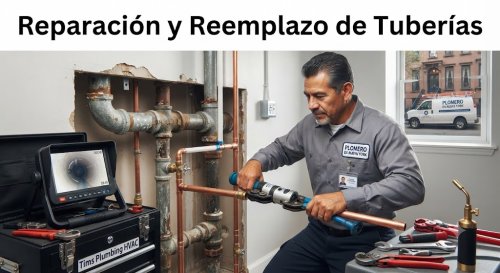
Step 1 Inspection: The plumber visually assesses all affected fixtures, cleanouts, and the layout of the home's drainage system.
-
Step 2 Diagnosis: A waterproof fiber-optic sewer camera is inserted into the line to pinpoint the exact location and cause of the blockage.
-
Step 3 Estimate: The technician provides an upfront, transparent price quote detailing the required repairs or cleaning methods.
-
Step 4 Repair: Using specialized equipment, the plumber clears the obstruction, hydro-jets the pipe walls, or excavates and replaces damaged sections.
-
Step 5 Testing: Water is run through all fixtures and the sewer camera is sent down again to verify the line is 100% clear.
-
Step 6 Cleanup: The work area is sanitized, and debris or extracted waste is properly managed and removed.
-
Step 7 Maintenance Advice: The technician provides personalized recommendations to prevent future backups.
Can You Fix It Yourself?
Homeowners must exercise extreme caution when dealing with multiple backed-up drains, as DIY efforts can easily worsen the problem or pose health risks. Safe DIY solutions are limited to plunging a single, isolated toilet or sink if other drains in the house are flowing normally. However, when multiple drains back up simultaneously, DIY interventions like chemical drain openers are dangerous; they can sit in the blocked pipe, boil over, and cause severe chemical burns to skin and eyes or ruin plumbing fixtures. Plunging a backed-up tub while a main line is clogged often forces contaminated water out of other open drains. Professional plumbing service is necessary when mechanical snakes fail to clear the main line, when tree roots have invaded the pipe, or when a sewer camera reveals a collapsed pipe section.
Tools Professionals Use
Modern plumbing relies on advanced technology to diagnose and resolve underground issues with minimal property disruption.
-
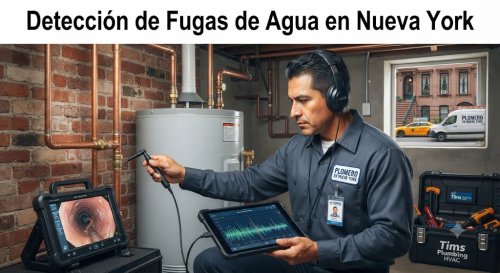
Drain cameras: High-resolution push cameras transmit real-time video of pipe interiors to monitor blockages and structural cracks.
-
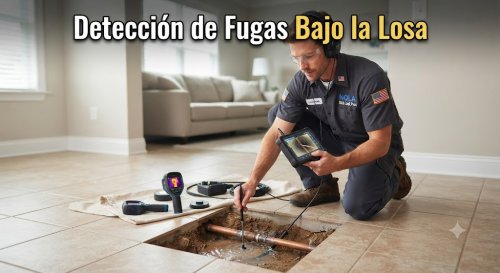
Leak detection equipment: Electronic acoustic listening devices and thermal imaging locate hidden pressurized leaks behind walls and under concrete slabs.
-
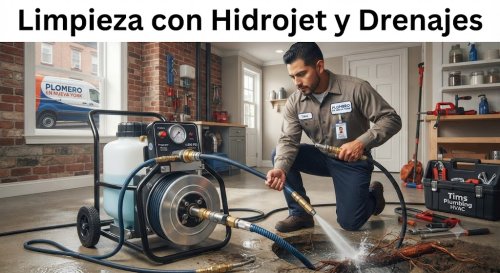
Hydro jetting: High-pressure water streams scour pipe walls clean of grease, scale, and heavy root intrusion.
-
Pipe locators: Radio transmitters attached to snake heads pinpoint the exact surface location and depth of underground pipe damage.
-
Pressure testing: Gauges measure system integrity to isolate leaks in supply or drainage networks.
-
Pipe inspection cameras: Specialized articulating lenses navigate tight elbows and commercial-grade systems.
-
Trenchless equipment: Pipe bursting and lining tools allow plumbers to rehabilitate broken sewer lines without destroying landscaping or driveways.
How Long Does the Repair Usually Take?
The duration of a plumbing repair depends heavily on the severity and accessibility of the underlying issue.
-
Simple repairs: Clearing a localized main cleanout clog using an auger typically takes 1 to 2 hours.
-
Moderate repairs: Thorough hydro-jetting of a grease-choked or root-filled sewer line generally requires 2 to 4 hours.
-
Major repairs: Spot excavation or trenchless pipe lining for a broken sewer lateral can take 1 to 3 days.
-
Emergency repairs: Immediate mitigation, sewage extraction, and emergency temporary bypasses take several hours depending on hazard levels.
-
Factors affecting time: Pipe material, depth of burial, municipal permits, property layout, and weather conditions all influence total project timelines.
Cost Factors
Plumbing repair costs vary depending on the severity of the problem, accessibility, materials required, emergency service, property type, and local labor rates.
-
Diagnostic fees: Covers the travel time and specialized camera equipment required to evaluate the issue.
-
Parts: Cost of replacement PVC pipes, fittings, cleanout risers, or trenchless liners.
-
Labor: Hourly or flat-rate charges for licensed plumbers and excavation crews.
-
Emergency service charges: Fees applied for after-hours, weekend, or holiday dispatch.
-
Equipment needed: Specialized deployment of hydro-jetters, heavy excavators, or trenchless machinery.
-
Permit costs: Municipal fees required for main sewer line replacements.
-
Replacement vs repair: Spot repairs are less expensive than full sewer line replacements.
-
Accessibility of pipes: Pipes buried deep beneath concrete slabs or mature landscaping require more labor to access.
Hidden Truths Homeowners Should Know
Understanding the realities of home plumbing maintenance helps protect your investment and prevents unexpected financial strain. Small leaks become expensive repairs if left unaddressed for even a few weeks. Cheap chemical drain cleaners often fail to solve deep root or structural clogs while damaging pipe interiors. Homeowners insurance policies frequently deny coverage for water damage resulting from neglected plumbing maintenance. Tree roots will repeatedly return to sewer lines unless mechanical barriers or trenchless liners are installed. Hard water dramatically shortens the operational lifespan of water heaters and plumbing fixtures. DIY repair mistakes often compound initial damage, resulting in higher professional bills down the road. Delaying repairs causes structural damage to subflooring and framing. Hidden leaks dramatically increase monthly utility bills without immediate visible signs. Mold develops within 24 to 48 hours in damp environments. Annual preventative plumbing maintenance saves thousands of dollars in emergency repair costs over the life of a home.
15 Common Mistakes Homeowners Make
Avoiding common pitfalls keeps your plumbing system running efficiently and prevents premature failures.
-
Ignoring leaks: Leaving minor drips unaddressed leads to rot and major pipe failures.
-
Using chemical drain cleaners: Corrosive liquids eat away at older metal and PVC pipe joints.
-
Flushing wipes: Even "flushable" wipes do not break down and create massive sewer blockages.
-
Pouring grease into drains: Congealed fats trap food particles and form solid blockages.
-
Ignoring water pressure problems: Unchecked high pressure stresses appliance hoses and pipe fittings.
-
Hiring unlicensed plumbers: Unvetted handymen often violate local building codes and lack insurance.
-
Skipping maintenance: Failing to inspect lines annually allows minor issues to escalate.
-
Waiting until emergencies: Delaying service until raw sewage backs up increases restoration costs.
-
Using wrong pipe materials: Mixing incompatible metals causes galvanic corrosion.
-
Over-tightening plumbing fittings: Excessive torque cracks porcelain fixtures and PVC threaded adapters.
-
Neglecting exterior cleanouts: Allowing landscaping to cover access points delays emergency response.
-
Disposing of paint or construction debris: Washing drywall dust or paint down drains clogs traps and lines.
-
Failing to locate shut-off valves: Wasting time searching for main water shut-offs during a burst pipe worsens flooding.
-
Overlooking water heater flushes: Sediment buildup destroys tank integrity prematurely.
-
Attempting major sewer repairs without permits: Doing unauthorized work creates liability during property sales.
Maintenance Tips
Implementing consistent upkeep routines preserves your plumbing infrastructure across changing seasons.
-
Schedule an annual professional sewer camera inspection.
-
Install hair catchers in all shower and tub drains.
-
Never pour cooking oil, grease, or coffee grounds down the kitchen sink.
-
Run cold water while operating the garbage disposal for 30 seconds after grinding.
-
Educate all household members on what items are safe to flush.
-
Insulate exposed exterior pipes before winter freezes arrive.
-
Test your main water shut-off valve semi-annually to ensure it operates smoothly.
-
Monitor your water meter for unexpected usage spikes that indicate hidden leaks.
-
Clean aerators on faucets twice a year to remove mineral scale.
-
Flush your water heater annually to eliminate sediment accumulation.
-
Keep outdoor sewer cleanout caps securely tightened to prevent root and debris entry.
-
Plant large trees and shrubs away from underground sewer lateral paths.
-
Use enzyme-based drain maintenance products monthly to digest organic buildup safely.
-
Check under all sinks regularly for dampness, corrosion, or slow leaks.
-
Address running toilets immediately to conserve water and reduce wear on flappers.
When Should You Call an Emergency Plumber?
Certain plumbing failures require immediate professional intervention to safeguard your family and property.
-
Burst pipes: High-volume water discharge can flood a home within minutes.
-
Sewage backup: Raw wastewater flooding living spaces creates severe biological health hazards.
-
No running water: Total loss of water disrupts sanitation and daily life.
-
Overflowing toilet: Inability to stop a surging toilet threatens flooring and drywall.
-
Major water leaks: Uncontrolled leaks behind walls require immediate main shut-off and repair.
-
Flooding: Standing water from compromised supply or drain lines demands urgent extraction.
Frequently Asked Questions
-
Why is my water pressure suddenly low? Sudden pressure drops usually point to a clogged pressure-reducing valve, a major leak, or severe mineral scaling inside the supply pipes.
-
How much does leak detection cost? Professional electronic leak detection varies based on property size and accessibility, typically ranging from $150 to $400.
-
Can a clogged drain damage pipes? Yes, pressure buildup from severe clogs can rupture pipe walls, weaken joints, and cause structural leaks.
-
Is hydro jetting safe for old pipes? A licensed plumber must inspect the pipe condition first; hydro jetting is safe for healthy pipes but can damage severely deteriorated cast iron or clay lines.
-
How do I know if my sewer line is broken? Signs include multiple backed-up drains, foul sulfur odors, soggy patches in the yard, and gurgling toilets.
-
How long do water heaters last? Standard tank water heaters typically last between 8 to 12 years, while tankless units can operate for 20 years with maintenance.
-
Why does my faucet drip? Drips are usually caused by worn-out rubber washers, O-rings, or damaged valve seats inside the fixture handle.
-
What causes pipes to burst? Freezing temperatures, excessive water pressure, physical trauma, and internal corrosion are the primary culprits.
-
Can plumbing leaks increase my water bill? Even a small continuous leak can waste thousands of gallons monthly, driving up utility bills significantly.
-
When should I replace plumbing instead of repairing it? Replacement is recommended when pipes suffer from widespread corrosion, frequent leaks, or structural collapse past the point of spot repair