Why Does My New Orleans Historic Home Have Low Water Pressure?
Discover the common causes of low water pressure in New Orleans historic homes, from aging galvanized pipes to Louisiana mineral buildup, and learn what you can do.


Living in a historic New Orleans home—whether it is a classic shotgun in Uptown, a raised Creole cottage in Faubourg Marigny, or a center-hall Victorian in the Garden District—comes with distinct architectural charm. However, these architectural treasures often harbor aging plumbing systems. One of the most frequent frustrations homeowners face in older properties is a frustratingly weak stream from the shower or kitchen faucet. Understanding why low water pressure happens in New Orleans historic homes is the first step toward restoring proper flow throughout your property.
The Legacy of Galvanized Steel Pipes
Many historic homes in New Orleans were built or remodeled during eras when galvanized steel piping was the industry standard. Over decades of service, these steel pipes react with minerals present in the water supply. Inside the pipe walls, rust, corrosion, and scale accumulate progressively. As this internal buildup chokes the diameter of the pipe, the volume and velocity of water that can pass through drop significantly. When you turn on multiple fixtures simultaneously, the restriction becomes glaringly obvious.
Mineral Buildup and Hard Water Effects
While the municipal water supply in New Orleans is regularly treated, older distribution lines and private property piping systems are susceptible to mineral scaling. Calcium and magnesium deposits cling to the interior of valves, elbows, and fixtures. Over time, aerators on kitchen and bathroom faucets collect a thick layer of sediment and debris. In historic homes, this localized blockage at the fixture level is often a primary culprit behind a sudden or gradual drop in water pressure.
Outdated Plumbing Layouts and Undersized Lines
Plumbing standards have evolved dramatically over the last century. Past building practices frequently utilized narrower pipe diameters than modern residential plumbing code recommends. Furthermore, older renovation projects sometimes tacked new supply lines onto aging, undersized trunk lines without upgrading the main supply coming from the street meter. When modern appliances and multi-bathroom additions draw from an antiquated distribution layout, the system simply cannot maintain adequate pressure under peak demand.
Hidden Leaks in Aging Infrastructure
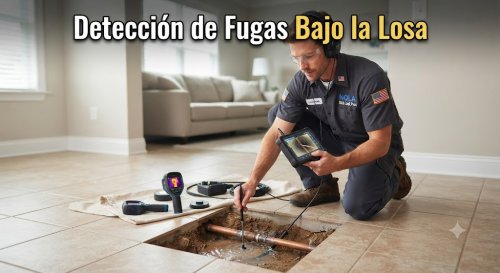
Historic properties often feature complex, hidden pipe runs tucked behind lath-and-plaster walls, beneath raised pier-and-beam foundations, or under thick concrete slabs. Pinholes or joint leaks in supply pipes may not immediately cause catastrophic flooding, but they constantly bleed water volume from the system. When a pressurized line is compromised, the overall household water pressure suffers. Identifying these concealed issues requires professional leak detection equipment and experience with historic building materials.
Municipal Supply and Pressure Regulator Issues
Not every low-pressure issue originates inside the historic structure. Fluctuations in the municipal water main supply operated by the Sewerage and Water Board of New Orleans can affect street-level pressure. Additionally, many homes feature a pressure reducing valve (PRV) near the main shut-off valve. When these mechanical valves fail or become miscalibrated over years of service, they can severely restrict incoming water pressure before it ever reaches your indoor fixtures.
Diagnosing and Addressing Low Water Pressure
Resolving low water pressure in a historic New Orleans property requires a methodical approach:
- Check individual fixtures: Unscrew the aerators on your sinks. If they are clogged with mineral sediment, cleaning or replacing them may immediately restore normal flow.
- Evaluate the main shut-off: Ensure the main water valve is fully open and that any pressure reducing valve is functioning properly.
- Inspect exposed piping: Look in your crawlspace, basement, or utility areas for visible signs of corrosion, rust stains, or dampness around joints.
- Consult a professional: If your home still utilizes original galvanized piping or concealed leaks are suspected, a qualified plumber can perform a pressure test and recommend targeted repiping or pipe rehabilitation strategies.
Frequently Asked Questions
Can I fix low water pressure myself in an old house?
You can easily clean faucet aerators and check accessible valves yourself. However, internal pipe corrosion, undersized legacy plumbing, and hidden leaks require professional diagnostic tools and specialized repair techniques that protect historic structures.
Why is my hot water pressure lower than my cold water pressure?
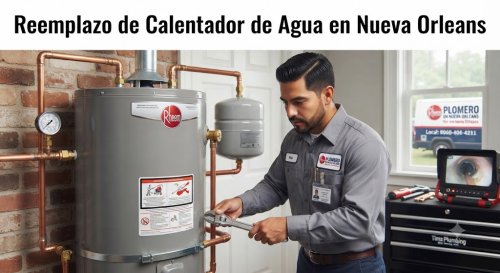
If only your hot water shows weak pressure, the issue usually points to your water heater. Sediment buildup inside a traditional tank water heater or a partially blocked inlet/outlet valve can restrict the flow of heated water.
Are galvanized pipes common in New Orleans historic homes?
Yes. Many homes built before the mid-20th century originally relied on galvanized steel supply lines. Because these pipes have a typical lifespan of 40 to 60 years, many are now past their prime and prone to internal rusting and low pressure.