Common Causes of Water Leaks in Historic New Orleans Homes
Discover the leading causes of water leaks in historic New Orleans homes, from aging galvanized pipes to shifting foundations, and how to protect your property.


Understanding Water Leaks in New Orleans Historic Properties
Owning a historic home in neighborhoods like the French Quarter, the Garden District, or Mid-City comes with an undeniable architectural charm. However, classic New Orleans properties also present unique plumbing challenges. From elevated moisture levels and shifting delta soils to aging infrastructure hidden behind plaster and lathe walls, historic houses require a careful eye when it comes to maintaining plumbing systems and identifying water leaks.
As an experienced local plumber working across the metro area, I often see recurring issues that threaten the structural integrity of these treasured buildings. Recognizing why these leaks happen is the first step toward preventing catastrophic water damage.
1. Aging Galvanized Steel and Cast Iron Piping
Many older New Orleans residences still retain portions of their original plumbing, which often includes galvanized steel water supply lines or cast iron drain systems. Over decades of service, these materials degrade internally.
- Corrosion and Scale Buildup: Galvanized pipes naturally rust from the inside out. As mineral deposits narrow the interior diameter, pressure changes and material thinning eventually cause pinhole leaks or sudden pipe ruptures.
- Cracked Cast Iron: Historic drain and sewer lines made of cast iron can develop cracks or structural collapse due to long-term soil movement and oxidation, leading to slow slab leaks or localized saturation beneath raised foundations.
2. Soil Subsidence and Foundation Shifting
New Orleans is built on high-water-table, compressible deltaic soils. The continuous cycle of heavy rain, seasonal dry spells, and high humidity causes the ground to swell and shrink. This persistent shifting exerts tremendous stress on incoming water lines and waste stacks.
When the ground moves beneath a pier-and-beam or slab foundation, rigid older pipes can pull apart at joints or sheer entirely. These subterranean leaks often go unnoticed for weeks, quietly eroding the soil and undermining the structural stability of the home.
3. High Water Pressure and Temperature Fluctuations
Municipal water pressure supplied to certain historic neighborhoods can fluctuate or run higher than recommended levels. Over time, high water pressure strains joints, fixtures, and older valves. Combined with the thermal expansion cycles that occur when water heaters cycle on and off, older supply lines—especially in confined wall cavities—are highly susceptible to joint failure and slow weeping leaks.
4. Outdated Fixture Connections and Supply Lines
Historic bathrooms and kitchens are often fitted with older stop valves, rigid copper risers, or deteriorating braided supply lines leading to sinks and toilets. Rubber gaskets in vintage fixtures degrade and harden over decades, leading to sudden weeping connections under bathroom vanities or behind kitchen sinks.
Proactive Leak Detection and Prevention Strategies
Catching a water leak early in a historic home can save thousands of dollars in structural restoration and mold remediation. Here are practical ways to safeguard your property:
- Monitor Your Water Meter: Turn off all indoor and outdoor faucets, then check your water meter. If the leak indicator dial is moving, water is escaping somewhere in your system.
- Inspect Hidden Areas Regularly: Periodically check crawl spaces under raised historic homes for damp soil, musty odors, or unexplained mineral deposits on piers and floor joists.
- Upgrade Vulnerable Lines: Work with a qualified local professional to systematically replace outdated galvanized supply lines with modern PEX or copper piping during any major renovation project.
- Install Smart Leak Detectors: Consider placing automatic water shut-off valves and wireless moisture sensors near water heaters, washing machines, and historic bathroom installations.
Frequently Asked Questions
Why are hidden leaks so common behind plaster walls in older New Orleans homes?
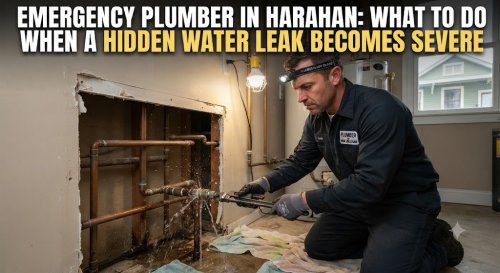
Historic homes frequently feature lath-and-plaster walls or wood paneling that conceal older plumbing runs. When a pinhole leak develops in a concealed supply line, moisture is absorbed slowly by the surrounding wood and plaster rather than pooling openly, making it difficult to detect until mold or surface bubbling appears.
How does the local New Orleans climate affect plumbing longevity?
High ambient humidity and fluctuating seasonal temperatures accelerate exterior corrosion on exposed metal pipes, particularly in unconditioned crawl spaces and attics. Additionally, damp conditions encourage accelerated wood rot if a minor leak goes unaddressed.
What are the early warning signs of a hidden water leak?
Common indicators include an unexplained spike in your municipal water bill, the sound of running water when all fixtures are closed, musty odors in specific rooms, warm spots on flooring, or peeling paint and bubbling wallpaper.