Emergency Plumber Harahan: Hidden Water Leak Fix
Dealing with a severe hidden water leak in Harahan, New Orleans? Learn causes, warning signs, professional repair steps, and when to call.
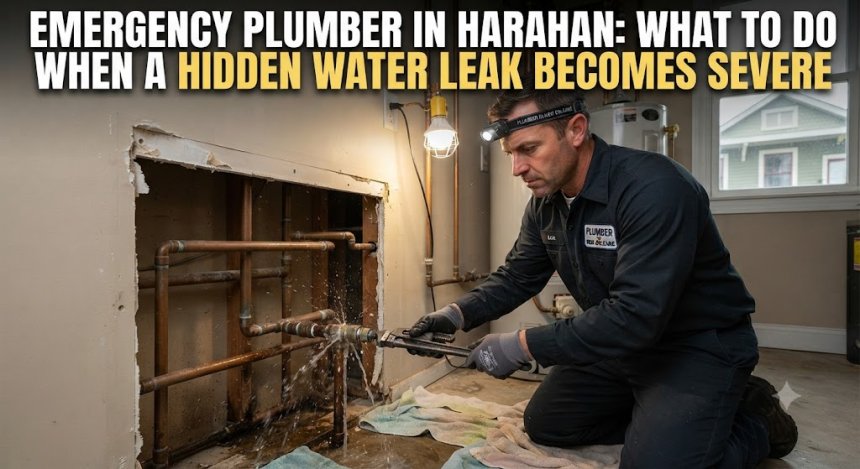
Introduction to Emergency Plumbing in Harahan
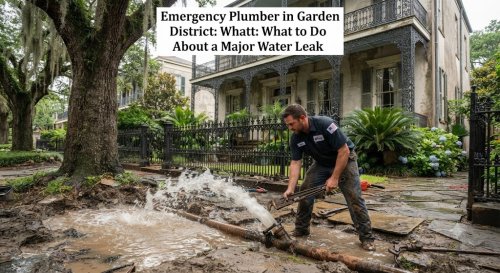
Discovering that a hidden water leak has progressed into a severe structural emergency can catch any property owner off guard. Residents throughout Harahan, as well as surrounding Jefferson Parish communities like River Ridge, Metairie, Elmwood, and Uptown New Orleans, frequently encounter hidden plumbing challenges due to shifting soils and aging domestic infrastructure. When a slow subsurface drip or pipe fracture finally breaks through walls, flooring, or concrete slabs, immediate professional attention becomes vital. Homeowners frequently search for guidance on this stressful topic because hidden moisture compromises structural integrity, fosters mold growth, and triggers massive utility spikes. Knowing what steps to take before calling Plumber in New Orleans can protect your investment from catastrophic water damage.
What Is a Hidden Water Leak?
A hidden water leak refers to any uncontrolled discharge of water from a supply, drain, or waste pipe that occurs out of plain sight behind walls, beneath floors, or underground.
-
Definition: A persistent pipe breach concealed from everyday view, allowing water to saturate building materials or sub-base soils over extended periods before detection.
-
Common Situations: You notice a warm spot on your tile floor, hear water running inside a wall when all taps are closed, or receive an astronomically high utility bill.
-
Symptoms: Unexplained high water bills, damp or warped drywall, peeling wallpaper, musty odors, buckling hardwood floors, and the sound of running water when fixtures are off.
-
Examples: A Harahan homeowner hears a faint hissing sound near their hallway linen closet, only to discover that a hot water supply line has been slowly spraying inside the drywall.
Why Does This Plumbing Problem Happen?
Hidden leaks develop from a combination of material degradation, environmental stressors, and internal system pressures acting on concealed pipes.
-
Corrosion and Age: Older galvanized iron and copper pipes corrode internally from mineral exposure, thinning out until pinhole leaks form behind walls.
-
Shifting Foundation and Soil Subsidences: The unique soil conditions in the New Orleans region cause foundations to settle unevenly, placing immense shearing stress on under-slab water lines.
-
Excessive Water Pressure: High municipal water pressure running above standard limits wears down pipe walls, soldered joints, and flexible connector hoses.
-
Hard Water Deposits: Mineral scale accumulation restricts water flow and creates localized points of friction and metal fatigue inside pipes.
-
Improper Installation: Kinked copper tubing, poorly torqued fittings, or nails driven accidentally through pipes during construction lead to premature leaks.
Signs You Should Never Ignore
-
Spiking Water Bills: An unexplained surge in your monthly municipal water utility consumption is often the very first indicator of a hidden leak.
-
Musty Odors and Mold: Damp environments behind walls or beneath carpets quickly produce persistent earthy smells and visible mold colonies.
-
Warped or Discolored Walls: Water stains, bubbling paint, or soft, spongy drywall indicate that water is actively saturating the framing.
-
Buckling or Warm Flooring: Warped hardwood planks, bulging vinyl tiles, or localized warm spots on concrete point to under-slab leaks.
-
Low Water Pressure: A sudden or progressive drop in pressure across your fixtures often signals that water is escaping through a major breach before reaching the tap.
Common Plumbing Problems Related to This Issue
-
Pipe Leaks: Pinhole leaks rapidly expand into major fractures under continuous operational water pressure.
-
Slab Leaks: Water escaping beneath concrete foundations erodes supportive soil layers, causing structural shifts.
-
Water Heater Failures: Constantly running makeup water forces water heaters to cycle continuously, shortening their lifespans.
-
Fixture Damage: Extreme pressure drops and mineral debris can damage delicate valve cartridges and appliance inlet valves.
Step-by-Step Professional Repair Process
When you call a licensed professional to locate and resolve a severe hidden leak, a structured approach ensures minimal disruption and a permanent fix.
-
Step 1: Inspection: The technician reviews water meter data, structural dampness patterns, and household fixture layouts to isolate the problem area.
-
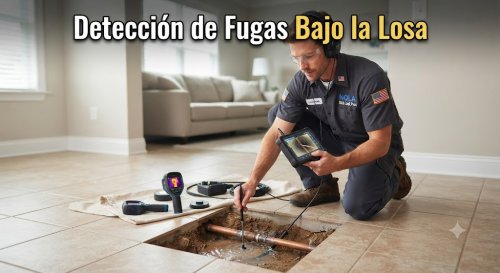
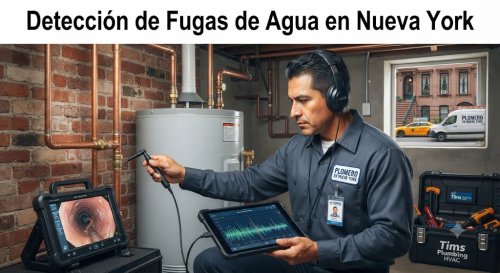
Step 2: Diagnosis: Using electronic acoustic listening devices and thermal imaging cameras, the plumber pinpoints the exact location of the hidden leak without unnecessary demolition.
-
Step 3: Estimate: You receive a transparent, itemized estimate outlining repair options, restoration requirements, and pricing before work starts.
-
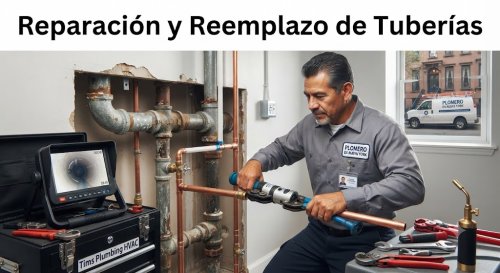
Step 4: Repair: The plumber shuts off the water, accesses the compromised pipe section, and replaces it with durable, modern materials.
-
Step 5: Testing: The system is repressurized and monitored to verify that the leak is fully resolved and overall pressure is stable.
-
Step 6: Cleanup: The work area is cleared of debris, and affected zones are sanitized to maintain a clean home environment.
-
Step 7: Maintenance Advice: The technician provides practical recommendations for monitoring future water pressure and preventing similar failures.
Can You Fix It Yourself?
-
Safe DIY Solutions: Locate and immediately close your property’s main water shut-off valve to stop the flow of water into the leaking system.
-
What Homeowners Can Safely Do: Check your water meter dial with all taps closed to confirm whether a hidden leak is actively running.
-
When DIY Becomes Dangerous: Attempting to cut into drywall blindly without knowing where electrical wiring or gas lines run poses severe safety hazards.
-
When Professional Plumbing is Necessary: Any leak concealed behind finished walls, beneath concrete slabs, or within main supply lines requires specialized acoustic equipment and licensed expertise.
Tools Professionals Use
-
Electronic Acoustic Leak Detectors: High-gain ground microphones that listen for the acoustic frequency of water escaping under pressure.
-
Thermal Imaging Cameras: Infrared technology that detects temperature differentials behind walls caused by hidden moisture paths.
-
Pipe and Cable Locators: Electromagnetic tracking tools that map the precise routing of metallic and non-metallic lines.
-
Line Pressure Testing Gauges: Precision gauges used to isolate specific plumbing loops and measure PSI loss.
How Long Does the Repair Usually Take?
-
Leak Detection and Isolation: 1 to 2 hours to accurately map the hidden source.
-
Accessible Wall Pipe Repair: 2 to 4 hours to open the drywall, fix the pipe, and test the joint.
-
Under-Slab Leak Repair: 1 to 2 days to tunnel or break through concrete and reroute or patch the line.
-
Emergency Isolation: Immediate response within minutes to hours depending on dispatch logistics.
Cost Factors for Water Leak Repairs
Plumbing repair costs vary depending on the severity of the problem, accessibility, materials required, emergency service, property type, and local labor rates.
-
Diagnostic Fees: Standard service call charges for electronic leak detection and thermal scanning.
-
Location and Accessibility: Leaks deep behind structural walls or beneath concrete slabs require intensive labor and restoration.
-
Materials Required: Repiping sections with modern PEX or copper impacts overall material investment.
-
Emergency Dispatch: After-hours, weekend, or holiday service calls involve adjusted labor rates.
-
Restoration Work: Repairing drywall, flooring, or concrete cutouts following the plumbing fix.
Hidden Truths Homeowners Should Know
-
Small hidden pinhole leaks quickly escalate into expensive structural framing repairs if ignored.
-
Cheap temporary epoxy patches on pressurized hidden pipes almost always fail under continuous load.
-
Standard homeowners insurance policies may deny claims resulting from long-term, neglected slow leaks.
-
Hard water scale inside older metal pipes accelerates interior corrosion and wall thinning.
-
DIY repair mistakes frequently multiply the financial cost of subsequent professional interventions.
-
Delaying hidden leak repairs invites aggressive mold colonization within 24 to 48 hours.
-
Undetected under-slab leaks can erode foundation soil and compromise home stability.
-
Silent leaks inflate monthly utility bills long before visible surface damage appears.
-
Annual plumbing maintenance saves money by catching failing pipe sections early.
-
Professional leak detection prevents destructive, trial-and-error demolition of your walls.
15 Common Mistakes Homeowners Make
-
Ignoring unexplained high water utility bills month after month.
-
Disregarding faint running water sounds behind interior walls.
-
Using chemical pipe cleaners on pressurized supply line leaks.
-
Hiring unlicensed handymen for complex hidden leak investigations.
-
Skipping annual plumbing and pressure-reducing valve checks.
-
Waiting for active ceiling collapses before investigating water stains.
-
Attempting to patch under-slab leaks without professional routing equipment.
-
Using incorrect pipe replacement materials that trigger galvanic corrosion.
-
Over-tightening fragile threaded supply fittings during DIY checks.
-
Failing to locate the main water shut-off valve before an emergency.
-
Neglecting to insulate exposed pipes in drafty crawlspaces.
-
Failing to document water damage for potential insurance claims.
-
Ignoring rapid spinning movements on the water meter dial.
-
Disregarding minor damp spots on baseboards or carpeting.
-
Delaying professional diagnostic evaluations when musty odors appear.
Maintenance Tips for Reliable Plumbing
-
Test your main property water shut-off valve semi-annually to ensure smooth operation.
-
Monitor your water meter monthly for unexpected consumption anomalies.
-
Schedule professional pressure-reducing valve checks every few years.
-
Insulate all exposed water supply lines in unconditioned spaces.
-
Install smart home water leak detectors near major risk appliances.
-
Keep large trees and deep-rooted shrubs away from main service lines.
-
Flush your water heater annually to reduce internal tank pressure stress.
-
Check indoor fixture aerators regularly for trapped scale and debris.
-
Keep your main shut-off valve clearly labeled and completely unobstructed.
-
Replace aging galvanized supply pipes before they corrode through.
-
Avoid exposing plastic supply lines to direct sunlight or harsh chemicals.
-
Keep emergency plumbing contact numbers readily accessible in your phone.
-
Hire licensed professionals for any major plumbing modifications.
-
Maintain a dedicated home repair fund for unexpected emergencies.
-
Inspect your crawlspace or basement periodically for moisture accumulation.
When Should You Call an Emergency Plumber?
-
Major Pipe Bursts: High-pressure water gushing inside walls or ceilings.
-
Total Loss of Water: Complete absence of water supply across the property.
-
Uncontrollable Under-Slab Leaks: Water pooling rapidly through concrete floors.
-
Severe Ceiling Sinking: Drywall sagging heavily from accumulated hidden water.
-
Electrical Hazards: Water leaking dangerously close to electrical service panels or outlets.
Frequently Asked Questions
-
Why is my water pressure suddenly low? Low pressure is typically caused by clogged aerators, a failing pressure-reducing valve, or a hidden leak.
-
How much does leak detection cost? Costs vary based on equipment and property size, but professional detection prevents destructive exploratory digging.
-
Can a clogged drain damage pipes? Yes, severe pressure backups from clogged drains can crack pipe joints and cause major leaks.
-
Is hydro jetting safe for old pipes? A licensed plumber must inspect pipe condition first; fragile older lines may require gentler cleaning methods.
-
How do I know if my sewer line is broken? Frequent backups, soggy lawn patches, and foul sewer odors are primary indicators of a broken line.
-
How long do water heaters last? Standard tank water heaters typically last between 8 to 12 years with proper maintenance.
-
Why does my faucet drip? Worn internal washers, O-rings, or valve seats usually cause persistent faucet dripping.
-
What causes pipes to burst? Freezing temperatures, excessive water pressure, and severe rust corrosion are primary culprits.