Emergency Plumber in Garden District: Fix Major Leaks Fast
Facing a major water leak in New Orleans? Discover emergency plumber steps, temporary fixes, costs, and local Garden District leak solutions today.
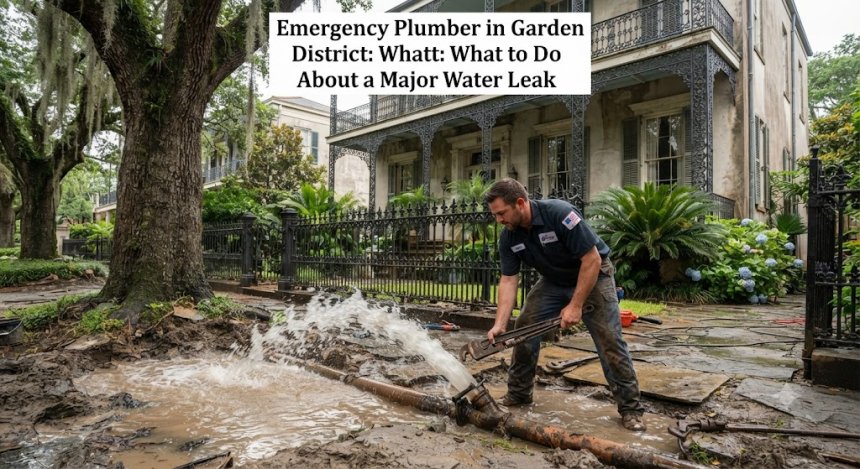
Emergency Plumber in Garden District: What to Do About a Major Water Leak
Finding a major water leak in your historic New Orleans home or commercial building can turn your day upside down instantly. Property owners across the historic Garden District, Magazine Street corridor, and surrounding Uptown neighborhoods frequently encounter sudden plumbing failures due to the unique architecture, aging infrastructure, and shifting delta soils of the region. When thousands of gallons of water threaten your hardwood floors, antique plaster walls, and structural foundations, knowing how to react separates a minor plumbing inconvenience from a catastrophic property disaster. Immediate attention is crucial because stagnant moisture and unmitigated flooding lead to hazardous mold growth and structural decay within hours. Homeowners search for emergency guidance to minimize water damage, protect their investments, and safely navigate high-stress crisis scenarios before professional help arrives.
What Is a Major Water Leak?
A major water leak is an uncontrolled, high-volume discharge of water from supply lines, drainage pipes, or plumbing fixtures that overwhelms normal containment and threatens property integrity. Common situations include completely split copper supply pipes, disconnected PVC lines under sinks, major failures at the water heater connection, or catastrophic joint ruptures behind walls.
-
Symptoms: Sudden pooling water, rhythmic hissing or rushing sounds behind drywall, warped floorboards, dropping water pressure, and skyrocketing utility bills.
-
Examples: A supply line bursting under a kitchen sink while you are away at work, flooding the entire lower level of a Greek Revival home on Coliseum Street.
Why Does This Plumbing Problem Happen?
Plumbing leaks do not happen without a cause; understanding the underlying mechanics helps you prevent future disasters.
-
Aging Pipes: Galvanized steel and older iron pipes corrode internally over decades, thinning until they rupture under standard municipal water pressure.
-
Corrosion: Soil composition and chemical reactions in municipal water supplies eat away at metal pipe walls, creating pinhole leaks that eventually split open.
-
Tree Roots: Aggressive root systems from historic oak trees throughout the Garden District infiltrate vulnerable sewer and water lines searching for moisture.
-
Hard Water: Mineral buildup restricts flow and stresses pipe joints, wearing down gaskets and soldered connections.
-
High Water Pressure: Municipal pressure exceeding standard psi limits batters plumbing fixtures, washers, and supply lines continuously.
-
Improper Installation: Poorly soldered joints, unanchored pipes vibrating against framing, or incorrect fittings installed without professional oversight.
-
Poor Maintenance: Neglecting minor drips, failing to inspect washing machine hoses, or ignoring worn-out shutoff valves.
-
Seasonal Weather: Although rare, occasional winter freezes in southern Louisiana can catch uninsulated exterior pipes off guard, causing sudden splits.
Signs You Should Never Ignore
Catching subtle indicators early prevents catastrophic water damage.
-
Water Stains: Brown, yellow, or expanding ring stains on ceilings and walls indicate slow, hidden pipe leaks behind building materials.
-
Slow Drains: Multiple sluggish fixtures point to main line blockages or structural pipe damage restricting flow.
-
Low Water Pressure: Mineral scale accumulation or a major subterranean supply line breach reduces output at your faucets.
-
High Water Bills: Unexplained spikes in your municipal water utility statement signal continuous, hidden water loss.
-
Damp Walls: Wallpaper peeling away from drywall or paint bubbling outwards exposes active moisture intrusion.
-
Mold Growth: Musty, earthy odors or visible black mold patches indicate prolonged dampness in dark framing cavities.
-
Strange Noises: Water hammering, whistling, or rattling when taps open means loose pipes or failing pressure regulators.
-
Bad Settle Smells: Sewer gas escaping from cracked drain lines or dry P-traps.
Common Plumbing Problems Related to This Issue
A major water leak rarely occurs in complete isolation and often triggers secondary household emergencies.
-
Pipe leaks: Persistent localized drips that weaken surrounding framing and subflooring.
-
Drain clogs: Backed-up wastewater straining old pipe joints until they crack.
-
Sewer backups: Contaminated water forcing its way upward into bathtubs and floor drains.
-
Water heater failures: Tank ruptures discharging dozens of gallons of scalding water into utility closets.
-
Burst pipes: Complete structural failure of water supply lines during pressure spikes.
-
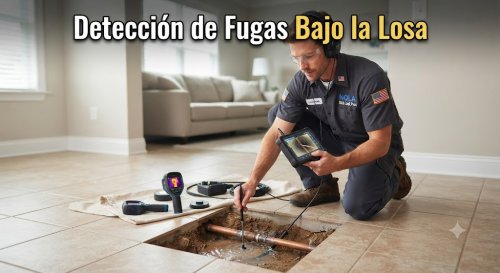
Slab leaks: Undetected leaks beneath concrete foundations shifting soil and cracking slabs.
-
Fixture damage: Corroded valves, handles, and supply lines snapping off under stress.
Step-By-Step Professional Repair Process
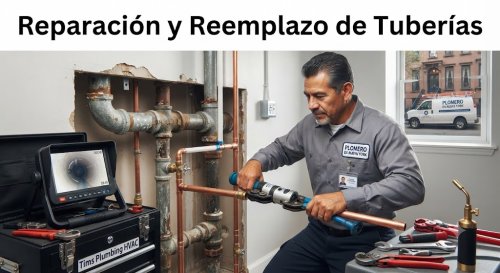
When you call a licensed local plumber, they follow a systematic methodology to resolve your leak safely and permanently.
-
Step 1 Inspection: Visually assess the affected area, check surrounding infrastructure, and locate the source of active water intrusion.
-
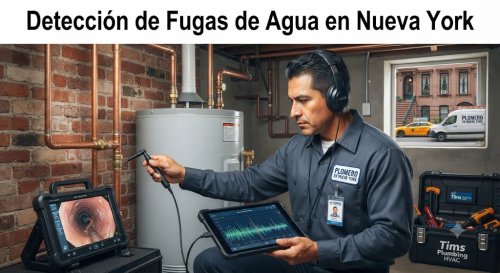
Step 2 Diagnosis: Utilize advanced acoustic and thermal imaging equipment to pinpoint hidden leaks without destroying historic finishes.
-
Step 3 Estimate: Provide a transparent, upfront cost breakdown detailing labor, replacement materials, and projected timelines.
-
Step 4 Repair: Shut off relevant supply lines, remove damaged sections, and install code-compliant replacement piping using professional-grade components.
-
Step 5 Testing: Re-pressurize the plumbing system and conduct rigorous pressure drop tests to verify absolute watertight integrity.
-
Step 6 Cleanup: Remove debris, sanitize affected work zones, and leave your property clean and orderly.
-
Step 7 Maintenance Advice: Offer customized recommendations on pressure reduction valves, pipe insulation, and inspection schedules.
Can You Fix It Yourself?
While handy homeowners can tackle minor cosmetic repairs, major water leaks require professional intervention.
-
Safe DIY Solutions: Shutting off the main water supply valve immediately and placing buckets under active drips.
-
Temporary Fixes: Applying rubber repair tape or pipe clamps to temporarily slow down small pinhole leaks while awaiting professional arrival.
-
What You Can Safely Do: Clear away personal belongings, furniture, and electronics from standing water to minimize property loss.
-
When DIY Becomes Dangerous: Attempting to cut into pressurized supply lines, working near electrical wiring in flooded areas, or dealing with main sewer lines.
-
When Professional Plumbing is Necessary: Any major structural leak, hidden slab leak, or burst main supply line requires licensed expertise, specialized tools, and insurance protection.
Tools Professionals Use
Modern plumbing relies heavily on sophisticated diagnostic technology to solve problems efficiently.
-
Drain Cameras: High-definition waterproof scopes pushed into pipes to visually inspect interior walls and locate cracks or root intrusions.
-
Leak Detection Equipment: Electronic listening devices and acoustic sensors that detect the exact sound of water escaping underground or behind walls.
-
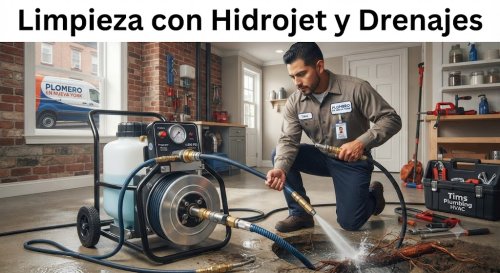
Hydro Jetting: High-pressure water streams that scour pipe interiors clean of grease, scale, and stubborn root intrusions.
-
Pipe Locators: Radio transmitters paired with surface receivers to map exact subterranean pipe routes and depth.
-
Pressure Testing Gauges: Precision dials measuring psi loss to identify microscopic system breaches.
-
Trenchless Equipment: Pipe bursting and lining machinery designed to rehabilitate damaged lines without tearing up historic landscaping or driveways.
How Long Does the Repair Usually Take?
-
Simple repairs: 1 to 2 hours for replacing a single leaking supply tube, angle stop, or P-trap.
-
Moderate repairs: 3 to 5 hours for cutting out and replacing sections of corroded supply or drain piping behind accessible walls.
-
Major repairs: 1 to 2 days for extensive re-piping, complex slab leak routing, or main water service replacement.
-
Emergency repairs: Immediate containment takes minutes, with full structural repairs completed same-day depending on part availability.
-
Factors Affecting Time: Accessibility of the pipe, depth of burial, degree of property restoration needed, and age of the existing plumbing infrastructure.
Cost Factors
Plumbing repair costs vary depending on the severity of the problem, accessibility, materials required, emergency service, property type, and local labor rates.
-
Diagnostic fees: Flat-rate charges to dispatch a licensed technician and locate the root issue.
-
Parts: Cost of high-grade copper, PEX piping, valves, or specialized fittings.
-
Labor: Hourly rates or project-based pricing reflecting certified technician expertise.
-
Emergency service charges: Premium fees for after-hours, weekend, or holiday dispatches.
-
Equipment needed: Specialized deployment of acoustic leak locators or hydro-jetting machinery.
-
Permit costs: Municipal fees required for major plumbing overhauls or gas line adjustments.
-
Replacement vs repair: Complete line renewal versus localized patching.
-
Accessibility: Difficult-to-reach pipes located beneath historic pier-and-beam foundations or tight wall cavities require extra labor.
Hidden Truths Homeowners Should Know
-
Small leaks left unchecked quickly escalate into expensive structural repairs and mold remediation projects.
-
Cheap temporary fixes like duct tape or sealant compounds invariably fail under sustained water pressure.
-
Homeowners insurance policies often deny claims resulting from neglected, long-term plumbing deterioration.
-
Aggressive tree roots will repeatedly infiltrate damaged sewer lines until the compromised pipe section is replaced or lined.
-
Hard water deposits shorten the operational lifespan of water heaters, dishwashers, and washing machines.
-
Amateur DIY plumbing mistakes compound initial damage and dramatically increase final professional repair costs.
-
Delaying repairs encourages wood rot, termite infestation, and structural sagging in historic properties.
-
Hidden slab leaks drive up monthly municipal utility bills without any visible interior pooling.
-
Toxic black mold colonies develop within 24 to 48 hours in damp, humid Louisiana environments.
-
Routine annual plumbing maintenance saves thousands of dollars in avoided emergency repair fees.
15 Common Mistakes Homeowners Make
-
Ignoring minor leaks: Waiting until a drip turns into a flood.
-
Using chemical drain cleaners: Eating away at old cast iron or PVC pipe walls.
-
Flushing non-flushable wipes: Creating massive main sewer blockages.
-
Pouring grease down drains: Solidifying fats that choke kitchen waste lines.
-
Ignoring water pressure surges: Allowing high psi to batter vulnerable appliance hoses.
-
Hiring unlicensed handymen: Risking substandard work and voiding insurance coverage.
-
Skipping annual inspections: Missing early warning signs of hidden decay.
-
Waiting until total failure occurs: Turning routine fixes into expensive emergencies.
-
Using incompatible pipe materials: Mixing galvanized steel with copper, causing galvanic corrosion.
-
Over-tightening fittings: Cracking porcelain fixtures or stripping threaded brass connectors.
-
Locating the main shutoff valve too late: Wandering blindly during an active flooding event.
-
Neglecting outdoor hose bibs: Failing to insulate exterior spigots during rare freezes.
-
Disposing of paint and debris in toilets: Accumulating dense blockages in trapways.
-
Delaying water heater anode rod replacement: Accelerating internal tank rust-out.
-
Failing to check meter dials: Ignoring slow utility creep that signals hidden yard leaks.
Maintenance Tips
-
Inspect exposed pipes under sinks, near water heaters, and around washing machines monthly for dampness or corrosion.
-
Test your main water shutoff valve semi-annually to ensure it closes completely without binding.
-
Pour a bucket of water down seldom-used floor drains and guest bathroom traps to prevent sewer gas odors.
-
Install stainless steel braided supply lines on all washing machines and toilets, replacing them every five to seven years.
-
Flush your water heater tank annually to clear out sediment buildup and prolong tank life.
-
Monitor your monthly water bill for unexplained increases that suggest hidden supply leaks.
-
Plant large trees and shrubs away from underground water and sewer line pathways.
-
Fit all sinks and shower drains with hair catchers to reduce clogs.
-
Check your toilet tanks periodically for silent flapper leaks using safe food coloring drops.
-
Keep emergency plumber contact information saved in your phone for instant access.
-
Test sump pumps before heavy seasonal rainstorms sweep across the Gulf Coast.
-
Insulate exposed pipes in crawlspaces and exterior walls against potential winter drops.
-
Schedule a professional plumbing health checkup once a year to catch hidden issues early.
-
Clean aerators on faucets to maintain smooth, balanced water flow and pressure.
-
Avoid pouring coffee grounds, eggshells, and fibrous vegetable peels down garbage disposals.
When Should You Call an Emergency Plumber?
-
Burst pipes: High-volume water discharging uncontrollably into living spaces or wall cavities.
-
Sewage backup: Raw wastewater flooding upward through toilets, showers, and floor drains.
-
No running water: Complete loss of water supply without municipal service outages.
-
Overflowing toilet: A malfunctioning bowl that will not stop rising despite shutoff attempts.
-
Gas line concerns: Smelling sulfur or rotten eggs near gas-powered water heaters or ranges.
-
Major water leaks: Rushing water sounds or pooling liquid that cannot be stopped by closing fixture valves.
-
Flooding: Standing water accumulating rapidly from internal plumbing failures.
Frequently Asked Questions
-
Why is my water pressure suddenly low? Sudden pressure drops usually stem from a partially closed main valve, a failing pressure reducing valve, or a hidden supply pipe leak.
-
How much does leak detection cost? Costs vary based on property size and equipment required, but professional electronic detection typically ranges from modest diagnostic fees to comprehensive service rates.
-
Can a clogged drain damage pipes? Yes, standing pressure and harsh chemical drain cleaners weaken pipe joints, eventually leading to structural cracks and major leaks.
-
Is hydro jetting safe for old pipes? A licensed technician adjusts water pressure according to pipe age and material, ensuring safe and effective cleaning without damaging historic lines.
-
How do I know if my sewer line is broken? Frequent backups, foul odors in the yard, soggy lawn patches, and slow-draining fixtures indicate a compromised sewer line.
-
How long do water heaters last? Standard tank water heaters generally last between 8 to 12 years, depending on water hardness and regular anode rod maintenance.
-
Why does my faucet drip? Dripping faucets are usually caused by worn-out rubber washers, degraded O-rings, or corroded valve seats inside the handle assembly.
-
What causes pipes to burst? Pipes burst due to extreme internal water pressure, severe freezing temperatures, severe corrosion, or physical trauma from shifting soil.
-
Can plumbing leaks increase my water bill? Even a small, silent toilet leak or pinhole pipe leak can waste hundreds of gallons daily, causing a sharp spike in utility costs.
-
When should I replace plumbing instead of repairing it? If your home has heavily corroded galvanized pipes, frequent recurring leaks, or outdated materials, full re-piping is safer and more cost-effective.