Why Does My New Orleans Historic Home Have Low Water Pressure?
Discover the most common causes of low water pressure in New Orleans historic homes, from galvanized pipe corrosion to local municipal supply factors.
Navigating Low Water Pressure in New Orleans Historic Architecture
New Orleans is celebrated for its stunning historic architecture, from the grand Victorian double-barrel shotgun houses Uptown to the intricate Creole cottages nestled in the Faubourg Marigny. However, owning a piece of the city's rich architectural heritage comes with unique maintenance challenges. One of the most frequent complaints homeowners bring to a plumber in New Orleans is a sudden or gradual drop in water pressure.
When you turn on the shower in a historic property and are met with a meager trickle instead of a steady stream, it can disrupt your daily routine. Because older homes often feature a mix of legacy piping materials, modified layouts, and decades of mineral accumulation, diagnosing low water pressure requires an understanding of both local infrastructure and aging plumbing systems.
1. Galvanized Steel Pipe Corrosion and Mineral Buildup
The single most common culprit behind low water pressure in older New Orleans residences is the presence of legacy galvanized steel supply lines. While durable for their era, galvanized pipes have a predictable lifespan of about 40 to 50 years. Over decades of service, zinc coatings wear away, exposing the underlying steel to moisture and minerals.
- Internal Rusting: Iron oxide flakes off and accumulates inside the pipe diameter, effectively choking the pathway available for water to travel.
- Mineral Constriction: Minerals present in municipal water supplies cling to the rough interior surfaces of corroded pipes, further narrowing the aperture.
- Uniform Pressure Loss: When internal pipe narrowing occurs throughout a home, every faucet and showerhead suffers from reduced output simultaneously.
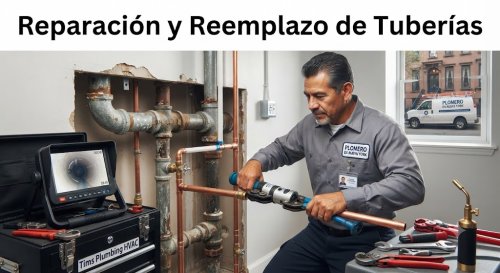
If your historic Uptown or Mid-City home still relies on its original galvanized plumbing, a complete or partial repiping project with modern PEX or copper lines is often the only permanent solution to restore robust water flow.
2. Sediment and Scale in Fixture Aerators
Sometimes, the issue is not deep within your main supply lines, but right at the exit point. Municipal water systems can carry fine sediment, rust flecks, and calcium scale through the distribution network. Over time, these particles get trapped inside faucet aerators and showerhead nozzles.
In New Orleans homes, hard water minerals can also bake onto fixtures, creating stubborn crusts that block individual spray holes. Fortunately, this is usually the easiest issue to troubleshoot:
- Unscrew the aerator tip from your kitchen or bathroom faucet.
- Inspect the tiny mesh screen for trapped debris or white scale buildup.
- Submerge the component in a cleaning solution or vinegar bath to dissolve mineral deposits.
- Rinse thoroughly and screw the aerator back into place to test the stream.
3. Partially Closed Shut-Off Valves and Meter Issues
A sudden drop in water pressure across your entire property often points to a valve restriction rather than pipe deterioration. Older gate valves and main water shut-offs can become misaligned, slip off their internal tracks, or fail to open fully.
Check your main water shut-off valve—typically located near the property perimeter, in a crawlspace, or near the front foundation wall. Ensure the valve is turned completely to the open position. Additionally, municipal supply fluctuations managed by the Sewerage and Water Board of New Orleans (SWBNO) can occasionally impact localized pressure during high-demand periods or maintenance operations in your neighborhood.
4. Aging Pressure Reducing Valves (PRVs)
Many properties utilize a Pressure Reducing Valve to protect indoor plumbing fixtures from excessively high municipal supply pressure. When a PRV fails—often due to internal spring fatigue or sediment clogging—it can swing to the opposite extreme, clamping down entirely and choking off water delivery to your home.
A failing PRV typically results in sputtering faucets, rapidly fluctuating flow rates, or a complete loss of pressure when multiple fixtures are opened at once. Replacing an aged or stuck pressure-reducing valve requires specialized tools and careful calibration to ensure safe operational thresholds for your home.
Summary and Professional Assessment
Dealing with stubborn water pressure issues in a historic New Orleans property requires a careful balance of respecting vintage craftsmanship and upgrading outdated functional components. Whether you are battling decades of internal pipe corrosion or trying to isolate a localized valve obstruction, understanding the root cause is the first step toward reclaiming a reliable, high-pressure water supply throughout your home.