Plumber Cost in New Orleans, LA: Rates, Estimates & Pricing
Discover how much plumbing repairs cost in New Orleans, LA. Learn about local labor rates, pricing factors, warning signs, and when to hire a licensed professional.
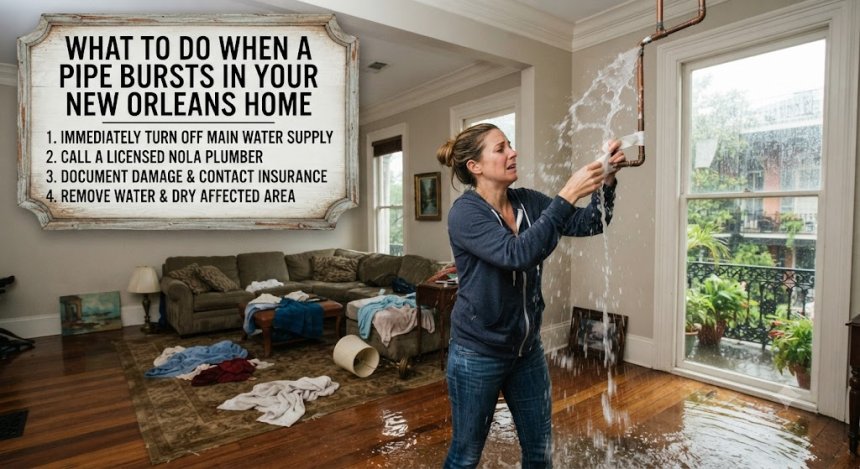
What to Do When a Pipe Bursts in Your New Orleans Home
Introduction
Dealing with a sudden plumbing emergency can turn a peaceful day in New Orleans upside down in seconds. Whether you own a historic Creole cottage in the French Quarter, a raised basement home in Uptown, or a contemporary property in Metairie, discovering water gushing from a wall or ceiling is every property owner's worst nightmare.
Homeowners and business owners frequently search for guidance on what to do when a pipe bursts because immediate action can mean the difference between a minor repair and thousands of dollars in structural water damage. New Orleans' unique subtropical climate, aging city infrastructure, and occasional winter freezes create specific conditions that put household plumbing systems under immense stress. Knowing how to react quickly—and when to call a professional—protects your property and peace of mind.
What Is a Burst Pipe?
A burst pipe occurs when a water supply line fails structurally, rupturing or splitting open and releasing pressurized water uncontrollably into a building. Unlike a slow drip or a pinhole leak, a burst pipe can discharge hundreds of gallons of water per hour, rapidly flooding living spaces, warping hardwood floors, and soaking drywall.
Common Situations Involving Burst Pipes
-
Sudden Winter Freezes: When temperatures drop below freezing during rare Louisiana cold snaps, uninsulated exterior pipes freeze, expand, and shatter.
-
Extreme Water Pressure: Excessive municipal water pressure or failing pressure-reducing valves strain aged pipe joints until they give way.
-
Severe Pipe Corrosion: Years of hard water exposure wear down galvanized steel or cast-iron lines from the inside out.
Why Does This Plumbing Problem Happen?
Pipe failures rarely happen without an underlying cause. Understanding why pipes burst helps property owners prevent future disasters:
-
Aging Infrastructure: Many properties across Orleans and Jefferson parishes contain decades-old plumbing materials that have grown brittle over time.
-
Seasonal Weather Extremes: Sudden overnight freezes catch homeowners off guard, especially when outdoor hose bibs or crawlspace pipes lack proper insulation.
-
High Water Pressure: Municipal water lines pushing pressure above 80 psi place continuous stress on elbows, joints, and connector valves.
-
Corrosion and Hard Water: Mineral scale buildup erodes metal pipe walls, creating thin spots vulnerable to sudden blowouts.
-
Shifting Soil and Foundation Movement: New Orleans' high water table and soft alluvial soils cause settling that can pinch, strain, or fracture rigid water supply lines.
Signs You Should Never Ignore
While some major bursts happen without warning, pipes often send out warning signals before total failure occurs:
-
Sudden Drops in Water Pressure: Indicates a major restriction, a developing split, or an underground line failure.
-
Unexplained Damp Walls or Ceilings: Soft drywall or peeling paint points to slow weeping from a pipe ready to give way.
-
Strange Banging or Whistling Noises: Water hammer or high pressure surging through worn pipes creates violent vibrations.
-
Discolored Brown or Rusty Water: Rust particles mean interior corrosion is actively weakening your pipe walls.
-
Musty Odors and Mold Growth: Hidden micro-leaks create damp pockets where mold thrives within hours.
Common Plumbing Problems Related to This Issue
When a pipe bursts, it often triggers or correlates with several other stressful plumbing issues:
-
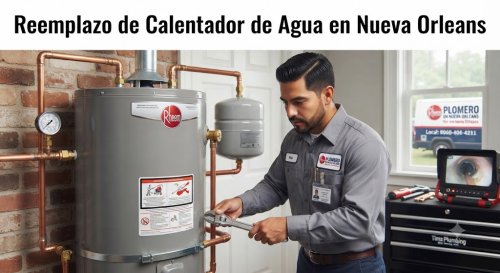
Water Heater Failures: Sudden pressure surges can rupture aging tank seams or inlet connections.
-
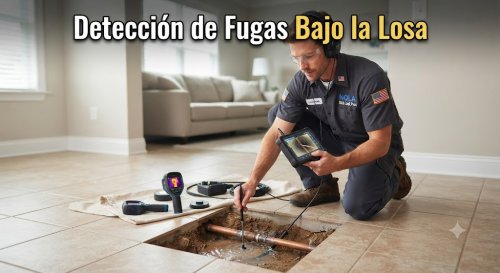
Slab Leaks: Underground supply lines beneath concrete foundations can split from soil shifting.
-
Fixture Damage: Extreme pressure fluctuations ruin toilet fill valves, faucet cartridges, and washing machine hoses.
-
Drain Clogs and Backups: Flooding can overwhelm basement floor drains or push debris into municipal sewer connections.
Step-by-Step Professional Repair Process
When you call an expert plumber to handle a burst pipe, they follow a systematic workflow to ensure a permanent fix:
-
Step 1: Emergency Shut-Off and Inspection: Locating the main water supply valve to stop active flooding, then assessing the damage footprint.
-
Step 2: Advanced Diagnosis: Using moisture meters and thermal imaging cameras to check behind walls and under floors for hidden water pockets.
-
Step 3: Upfront Estimate: Providing clear, transparent pricing detailing required pipe replacement, wall patching coordination, and labor before work begins.
-
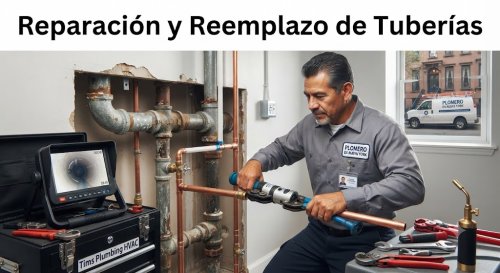
Step 4: Professional Repair: Cutting out the damaged pipe section and replacing it with modern, code-compliant materials like PEX or copper.
-
Step 5: Pressure Testing: Pressurizing the repaired line to verify joint integrity and ensure zero leaks exist.
-
Step 6: Thorough Cleanup: Extracting standing water, sanitizing the work zone, and hauling away debris.
-
Step 7: Maintenance Advice: Offering guidance on pressure regulation, insulation, and winterization to prevent future incidents.
Can You Fix It Yourself?
When water is flooding your home, immediate emergency containment is required, but permanent repairs demand professional licensing.
What Homeowners Can Safely Do
-
Locate and turn off the main water shut-off valve immediately.
-
Open indoor faucets to drain remaining water out of the plumbing lines.
-
Move furniture, rugs, and valuables away from standing water.
When DIY Becomes Dangerous
Attempting to patch a high-pressure burst pipe with rubber tape, epoxy putty, or hose clamps is a temporary band-aid at best. Without shutting off the water properly or fixing the root structural weakness, DIY fixes frequently blow out again, leading to catastrophic structural flooding and electrical hazards.
Tools Professionals Use
Professional plumbers rely on advanced technology to resolve pipe emergencies efficiently:
-
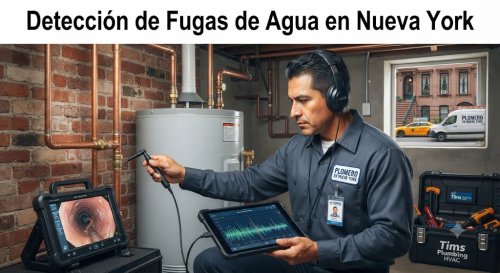
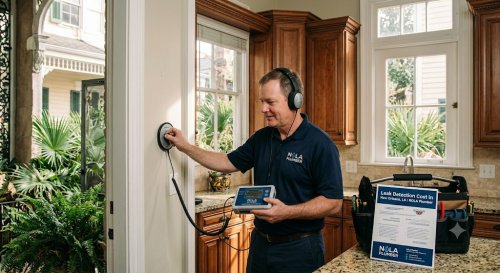
Electronic Leak Detectors: Acoustic listening gear to pinpoint hidden pressurized leaks under floors or behind walls.
-
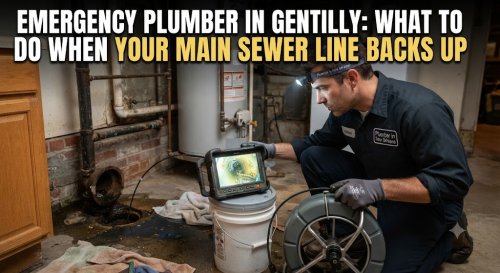
Pipe Inspection Cameras: Miniature fiber-optic lenses that evaluate internal pipe conditions and corrosion levels.
-
Hydrostatic Pressure Testing Kits: Gauges that measure system pressure to ensure no other weak spots exist.
-
PEX Expansion and Crimping Tools: Professional-grade equipment for fast, secure, and durable pipe connections.
How Long Does the Repair Usually Take?
Repair timelines depend entirely on accessibility and the extent of the rupture:
-
Simple Repairs (Exposed pipe burst in a crawlspace or utility room): 1 to 2 hours.
-
Moderate Repairs (Burst pipe behind a finished drywall partition): 2 to 4 hours.
-
Major Repairs (Extensive multi-line failure or corroded whole-house repiping): 1 to 3 days.
-
Emergency Interventions (Immediate water shut-off and temporary bypass): 30 minutes to 1 hour for stabilization.
Cost Factors
Plumbing repair costs vary depending on the severity of the problem, accessibility, materials required, emergency service, property type, and local labor rates. Key components include:
-
Diagnostic and Service Call Fees: Covering technician dispatch and evaluation.
-
Accessibility: Whether the burst pipe is easily reached in an open crawlspace or buried inside a plastered historic wall.
-
Materials Required: Upgrading from old galvanized steel to modern cross-linked polyethylene (PEX) or copper piping.
-
Emergency Dispatch Rates: After-hours, weekend, or holiday premium service charges.
-
Water Mitigation and Restoration: Additional costs for drying out soaked framing and drywall.
Hidden Truths Homeowners Should Know
-
Small pinhole leaks left unaddressed quickly escalate into major structural pipe bursts.
-
Cheap temporary repair clamps or tape on high-pressure lines almost always fail under stress.
-
Homeowners insurance policies frequently deny claims if damage results from long-term, neglected maintenance.
-
Hard water deposits accelerate internal pipe thinning without outward visual warnings.
-
DIY plumbing mistakes often invalidate home insurance coverage and manufacturer warranties.
-
Delaying repairs allows mold spores to colonize damp drywall within 24 to 48 hours.
-
Hidden pipe leaks inflate monthly water bills long before indoor flooding becomes visible.
-
Annual plumbing inspections catch deteriorating pipe fittings before winter freezes strike.
15 Common Mistakes Homeowners Make
-
Panic-Freezing: Failing to locate the main water shut-off valve before an emergency occurs.
-
Using Chemical Drain Cleaners on Supply Lines: Misunderstanding that caustic chemicals corrode metal supply pipes.
-
Ignoring Banging Pipes: Disregarding loud water hammer noises until a joint cracks open.
-
Hiring Unlicensed Handymen: Working with uninsured operators for critical pressure-line repairs.
-
Skipping Pipe Insulation: Leaving attic, garage, and crawlspace water lines uninsulated during cold snaps.
-
Over-Tightening Fittings: Applying excessive wrench torque that cracks brass or copper threaded joints.
-
Leaving Hoses Connected in Winter: Failing to detach outdoor garden hoses before freezing temperatures hit.
-
Ignoring Pressure Surges: Operating without a functional pressure-reducing valve (PRV).
-
Using Incompatible Metals: Joining copper and galvanized steel directly, causing rapid galvanic corrosion.
-
Waiting Until Morning: Delaying calls for active indoor flooding overnight.
-
Turning Water Back On Too Fast: Re-pressurizing repaired lines rapidly and blowing out fresh joints.
-
Neglecting Water Meter Checks: Failing to monitor the meter when all household taps are closed.
-
Painting Over Damp Drywall: Masking water stains instead of fixing the leaking pipe behind the wall.
-
Discarding Inspection Access Panels: Drywalling over crucial shut-off valves and plumbing junctions.
-
Failing to Drain Systems During Vacations: Leaving a home unheated and pressurized during extended winter trips.
Maintenance Tips
-
Locate, test, and clearly tag your main water shut-off valve so anyone in the home can operate it.
-
Insulate all exposed water supply lines in attics, crawlspaces, and exterior garage walls.
-
Disconnect garden hoses from outdoor spigots every autumn and install insulated faucet covers.
-
Monitor your water pressure regularly using a gauge attached to an outdoor hose bib.
-
Schedule professional plumbing inspections every two to three years for older homes.
-
Check under all sinks quarterly for signs of moisture, rust, or weeping pipe joints.
-
Keep your home heated to at least 55°F during freezing winter weather advisories.
-
Open cabinet doors beneath kitchen and bathroom sinks during severe freezes to let warm air circulate.
-
Test your sump pump operation before heavy seasonal rainstorms arrive in the region.
-
Replace aging washing machine supply hoses with braided stainless-steel lines every five years.
-
Watch your monthly water bill for sudden, unexplained spikes that indicate hidden leaks.
-
Clean and clear debris from foundation vents to maintain healthy crawlspace airflow.
-
Avoid planting large trees with aggressive root systems near underground water service lines.
-
Flush your water heater annually to prevent sediment buildup from straining inlet pipes.
-
Keep emergency plumbing contact numbers saved in your mobile phone for