Common Causes of Water Leaks in Historic New Orleans Homes
Discover the most frequent reasons water leaks occur in historic New Orleans homes, from shifting soils to aging galvanized pipes, and how to spot early warning signs.


Understanding Water Leaks in Historic New Orleans Properties
Owning a historic home in neighborhoods like the French Quarter, the Garden District, or Faubourg Marigny comes with undeniable architectural charm. However, centuries-old framing, unique structural designs, and aging infrastructure also present distinct challenges. Among the most pressing concerns for property owners are hidden water leaks. Because many historic properties feature enclosed wall cavities, plaster walls, and raised foundations, plumbing issues can develop silently long before they become visible.
As a professional plumber working across the local area, evaluating aging supply lines and shifting foundations is a regular part of daily operations. Pinpointing why these leaks happen helps homeowners protect their historic investments from structural water damage, mold growth, and rotting wood.
1. Shifting Foundation and Sinking Soils
New Orleans sits on a high water table with heavy, moisture-reactive delta clay soils. Over time, seasonal heavy rains and prolonged dry spells cause the soil beneath and around historic raised or slab foundations to expand and contract. This continuous movement places immense mechanical stress on rigid water supply lines and drain pipes.
- Rigid Cast Iron and Galvanized Lines: Older pipes lack the flexibility of modern PEX tubing, making them prone to cracking or shearing when the ground shifts.
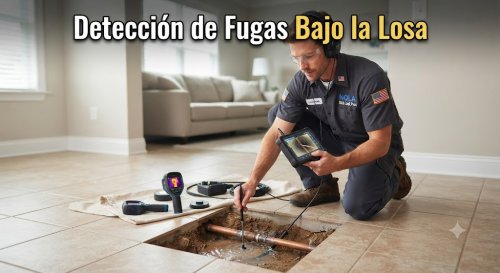
- Joint Separation: Joint connections can pull apart under pressure from settling foundations, leading to slow, hidden slab leaks or crawlspace pooling.
2. Aging Galvanized Steel and Cast Iron Pipes
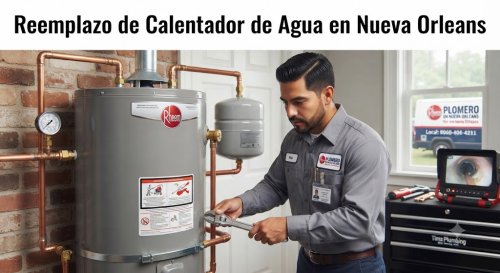
Many historic homes in the area still contain original or mid-20th-century plumbing materials. Galvanized steel supply pipes have a typical lifespan of 40 to 50 years, meaning almost all original installations have exceeded their operational windows.
Internal Corrosion and Pinholes
Over decades, mineral accumulation and internal rust restrict water flow and thin the pipe walls from the inside out. Eventually, this corrosion breaks through, creating tiny pinhole leaks that spray water inside wall cavities or ceilings.
Degrading Cast Iron Drain Lines
Underground or sub-floor cast iron waste lines corrode due to continuous exposure to moisture and acidic waste water. Once the bottom of the pipe rusts away, soil erosion around the pipe creates voids that can cause structural settling and chronic leaks.
3. High Water Pressure and Weather Stress
Municipal water pressure supplied to certain neighborhoods can fluctuate, and high pressure puts an unnecessary strain on older plumbing fixtures, threaded joints, and soldered copper elbows. Additionally, while New Orleans rarely experiences hard freezes, sudden winter cold snaps can shock brittle, poorly insulated pipes located near exterior walls or raised floor spaces, resulting in micro-cracks that leak once the system thaws.
4. Subtle Warning Signs of Hidden Leaks
Because historic homes often use lath and plaster walls instead of modern drywall, water damage behaves differently. Watch for these subtle indicators:
- Musty Odors: A persistent damp smell, especially in closed rooms, closets, or raised floor crawlspaces, often points to slow, hidden leaks.
- Blistering Paint or Soft Plaster: Moisture traveling through walls causes paint to bubble, peel, or flake, and historic plaster may feel soft or spongy to the touch.
- Unexplained Spikes in Water Bills: A rising water bill without a change in household usage is one of the clearest mathematical indicators of a continuous leak.
- Warm Spots on Floors: In homes with older hot water lines running beneath flooring materials, localized warm spots can signal an active underground supply leak.
Prevention and Maintenance Strategies
Protecting a historic New Orleans property from water damage requires proactive maintenance rather than reactive repairs. Scheduling periodic professional leak detection, upgrading vulnerable sections of galvanized or polybutylene piping to modern materials, and installing main water shut-off valves with automatic leak-detection capabilities can save thousands of dollars in structural restoration costs.