Common Causes of Low Water Pressure in Older New Orleans Homes
Discover why older New Orleans homes experience low water pressure. Learn about galvanized pipes, mineral buildup, and when to call a local plumber.

Living in a historic New Orleans home—whether it's a classic Creole cottage in Faubourg Marigny or an elevated shotgun house in Uptown—comes with undeniable architectural charm. However, these older properties often come with aging plumbing infrastructure that can cause frustrating issues. One of the most common complaints from homeowners in historic neighborhoods is a sudden or gradual drop in water pressure.
When you turn on the shower and get a weak trickle, or your kitchen faucet struggles to fill a pot, it is more than just an annoyance. In older properties, low water pressure is often a symptom of underlying wear and tear within the supply lines. Understanding what causes these pressure drops can help you determine whether you need a minor adjustment or a more comprehensive plumbing repair.
Galvanized Steel Pipe Corrosion
Many homes built across New Orleans through the mid-20th century were originally plumbed with galvanized steel pipes. While durable for their time, galvanized pipes have a finite lifespan, typically lasting between 40 to 50 years. Over decades of exposure to mineral-rich water, the zinc coating inside these pipes wears away, exposing the bare steel to rust and corrosion.
As internal rust accumulates, it drastically narrows the interior diameter of the pipe. This restriction chokes the flow of water, leading to a noticeable drop in pressure throughout the house. If your home still has its original galvanized supply lines, this restriction is often the primary culprit behind chronic low water pressure.
Mineral Buildup and Hard Water Effects
Water delivery systems can transport varying levels of minerals, and over time, calcium and lime deposits can build up inside your plumbing fixtures and pipes. In older homes where pipes have already roughened due to age, mineral scale adheres much faster. This scaling narrows the pathways further and blocks aerators on bathroom and kitchen faucets.
How to Check Your Faucet Aerators
Before assuming the issue lies deep within your home's walls, check your faucet aerators:
- Unscrew the small screen nozzle at the tip of the faucet spout.
- Inspect the mesh screen for trapped debris, sediment, or white crusty mineral buildup.
- Soak the aerator in a vinegar solution to dissolve deposits, then rinse and reattach.
- If water pressure improves immediately at that specific fixture, mineral scaling was the sole issue.
Hidden Leaks in Aging Supply Lines
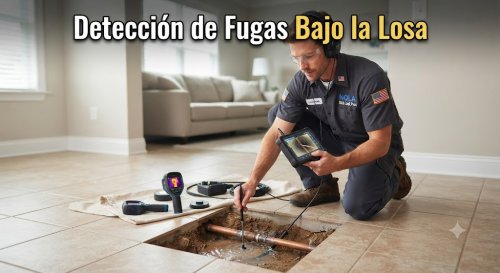
Older homes in areas with shifting soils, such as parts of New Orleans, are susceptible to ground movement that can stress underground or in-wall water lines. When an older pipe develops a pinhole leak or a cracked joint, water escapes before it can reach your fixtures. This loss of volume results in decreased pressure when multiple taps are opened simultaneously.
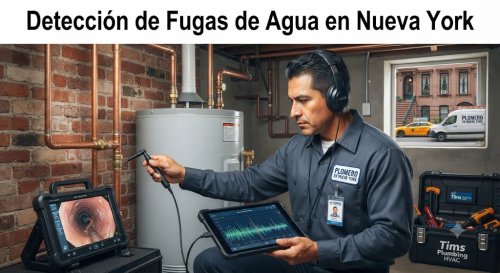
Detecting hidden leaks requires professional equipment like acoustic listening devices or thermal imaging. If your water bill has unexpectedly climbed alongside a drop in pressure, a concealed leak may be the source of the problem.
Municipal Water Pressure Fluctuations
Sometimes the issue originates outside your property line. The local water authority manages a vast network of aging water mains throughout the city. Routine maintenance, main breaks, or high demand during peak hours can cause temporary pressure drops across specific neighborhoods. If your neighbors are experiencing similar issues simultaneously, the cause is likely municipal rather than private.
When to Contact a Professional Plumber in New Orleans
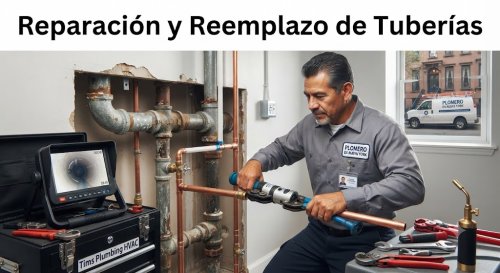
While cleaning an aerator is a straightforward DIY task, diagnosing systemic pressure issues requires professional expertise. If you notice discolored water alongside low pressure, hear rattling pipes, or experience a total loss of pressure in specific zones of your home, it is time to consult a licensed plumbing contractor. A thorough inspection can pinpoint whether you are dealing with localized scale, failing pressure regulators, or the need for a targeted pipe replacement.
Frequently Asked Questions
Why is my hot water pressure lower than my cold water pressure?
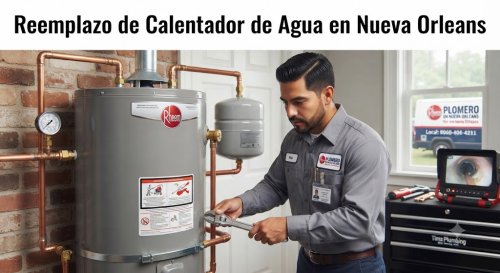
If only your hot water shows low pressure, the issue usually points to your water heater. Sediment accumulation at the bottom of a tank water heater or a failing inlet valve can restrict hot water output. Flushing the tank or servicing the valve often resolves this imbalance.
Does New Orleans water pressure fluctuate by neighborhood?
Yes, water pressure can vary depending on your elevation, proximity to pumping stations, and the diameter of the municipal mains servicing your specific street. Older neighborhoods sometimes rely on older main lines that handle volume differently than newly developed commercial sectors.
Can I replace galvanized pipes piece by piece?
While partial repairs are possible when a single section fails, plumbers generally recommend whole-home repiping if your galvanized lines are heavily corroded. Patching one section often places increased pressure on adjacent, equally worn pipes, leading to new leaks soon after.