Common Causes of Low Water Pressure in Older New Orleans Homes
Discover why older New Orleans homes experience low water pressure. Learn about galvanized pipes, mineral buildup, and local plumbing issues.

Living in a historic home across New Orleans—whether it's a raised center-hall cottage in Uptown or a historic Creole townhouse in the French Quarter—comes with incredible architectural charm. However, historic architecture often conceals aging infrastructure. One of the most frequent complaints homeowners bring to a plumber in New Orleans is a frustrating drop in water pressure. When your morning shower turns into a disappointing trickle or filling a kitchen pot takes twice as long, it is usually a sign that your plumbing system is struggling.
Understanding why water pressure drops in older properties requires looking at both the unique characteristics of historic local buildings and the materials used in past decades. Here is a breakdown of the primary culprits behind low water pressure in classic New Orleans residences and what property owners can do about them.
Galvanized Steel Pipe Corrosion
The single biggest factor behind low water pressure in older New Orleans homes is the presence of legacy galvanized steel piping. For much of the 20th century, galvanized iron was the standard material for residential water supply lines.
Over decades of service, zinc coatings erode, and the underlying steel begins to rust. This internal corrosion creates rough, scaly deposits known as tuberculation. As these mineral deposits accumulate inside the pipe, the interior diameter shrinks drastically, choking off the volume and velocity of water reaching your fixtures.
Because the humidity and moisture levels in New Orleans are exceptionally high, exterior corrosion can also compromise underground or crawlspace piping, compounding internal restrictions.
Mineral Buildup and Sediment in Fixtures
Local water characteristics and aging municipal supply lines can introduce mineral content and sediment into household plumbing. Over time, calcium, lime, and small debris travel through the system and get trapped in aerators, showerheads, and cartridge-style faucets.
If you notice that low water pressure is isolated to a single bathroom sink or kitchen faucet while the rest of the house functions normally, the issue is often a clogged aerator rather than a major pipe failure. Unscrewing the faucet tip and clearing out trapped sediment is a quick diagnostic step for any homeowner.
Aging Pressure Regulators
Many modern and retrofitted homes rely on a pressure-reducing valve (PRV) to control the force of municipal water entering the private plumbing system. When these valves wear out—typically after 10 to 15 years—they can fail in a closed or restricted position.
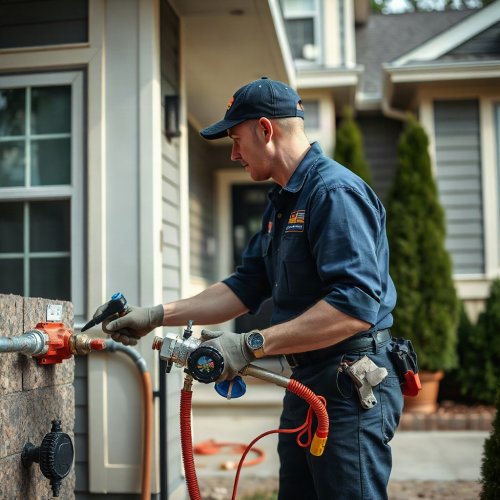
If your PRV fails, water pressure throughout the entire house will drop suddenly. A professional plumber in New Orleans can test the pressure at your main hose bib to determine if a faulty regulator is the root cause.
Undersized or Damaged Supply Lines
Historic plumbing codes differed significantly from modern standards. Water supply lines installed decades ago were often narrower than what modern household appliances require. When you run a washing machine, dishwasher, and shower simultaneously, an older, undersized supply network cannot maintain adequate flow.
Additionally, shifting soils, high water tables, and root intrusion from mature live oaks across New Orleans can place stress on underground service lines running from the municipal meter to the house, causing partial collapses or leaks that starve interior fixtures of proper pressure.
Diagnosing and Resolving Low Water Pressure
Troubleshooting low water pressure starts with systematic observation:
- Check multiple fixtures: Determine if the pressure drop affects just one faucet or the entire house.
- Inspect exterior spigots: Test the main outdoor spigot before the water enters the home's interior network. If outdoor pressure is strong, the issue is likely inside your walls.
- Examine visible piping: Look at exposed pipes in your crawlspace, basement, or utility area for signs of rust, leaking joints, or extensive corrosion.
For homes with severely corroded galvanized piping or failing infrastructure, localized patches offer only temporary relief. Whole-home repiping using modern PEX or copper materials is frequently the most effective long-term solution to restore full water volume, improve water quality, and protect older New Orleans properties from catastrophic leaks.
Frequently Asked Questions
Why is my hot water pressure lower than my cold water pressure?
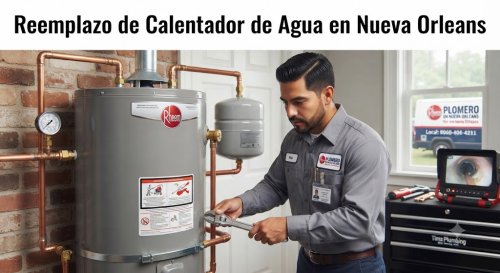
If only your hot water pressure is low, the issue usually points to your water heater or the supply line feeding it. Sediment buildup inside an aging tank water heater or a failing inlet valve can restrict hot water flow to your fixtures.
Can municipal water supply issues cause low pressure in my home?
Yes. Main line breaks, scheduled flushing by the Sewerage and Water Board of New Orleans, or high local demand can temporarily reduce pressure. However, if your neighbors have normal pressure while yours remains low, the restriction is specific to your property.
Is low water pressure a sign of a hidden water leak?
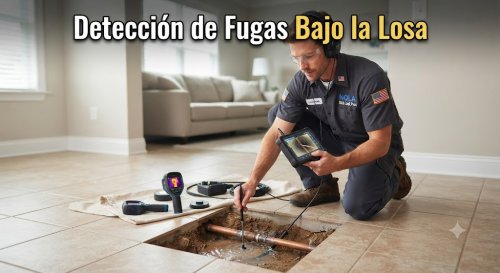
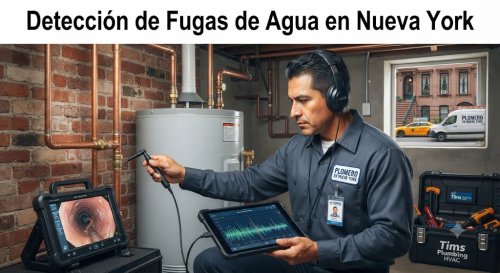
It can be. If a supply pipe has cracked or ruptured behind a wall or beneath the foundation, water escapes before reaching your taps, causing a noticeable drop in household pressure. Monitoring your water meter when all fixtures are turned off can help detect hidden leaks.