Common Causes of Low Water Pressure in Older New Orleans Homes
Discover why older New Orleans homes experience low water pressure, from galvanized pipe corrosion to municipal supply issues, and how to restore flow.

Understanding Low Water Pressure in Historic New Orleans Properties
Living in a historic New Orleans home—whether it is a classic shotgun house in Uptown, a raised center-hall cottage in Mid-City, or a historic Creole townhouse in the French Quarter—comes with incredible architectural charm. However, these architectural treasures often bring aging infrastructure. One of the most frequent complaints homeowners make is a frustrating drop in water flow. When you turn on the shower or try to wash dishes in the kitchen, a weak trickle can turn simple daily routines into a chore.
Diagnosing low water pressure in older properties requires understanding how decades of environmental exposure, shifting soils, and historical plumbing materials impact your home's water delivery system. Addressing the issue properly ensures your fixtures work efficiently while protecting your pipes from catastrophic failure.
1. Galvanized Steel Pipe Internal Corrosion
The single most common culprit behind low water pressure in older New Orleans residences is the presence of legacy galvanized steel supply pipes. While popular in mid-20th-century construction and sometimes used to retrofit older properties, galvanized pipes have a finite lifespan. Over decades of constant contact with water, the zinc coating on the interior walls erodes, leading to rust and mineral scale buildup.
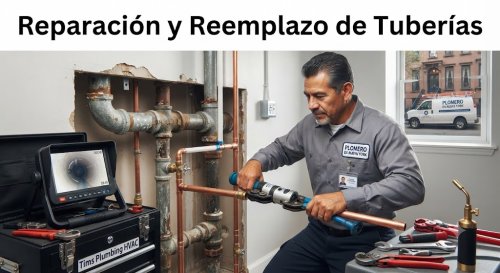
As iron oxide and sediment accumulate inside the pipe, the internal diameter shrinks dramatically. Even if water enters your property at a normal municipal rate, these restricted pathways choke off the volume and velocity of water reaching your bathrooms and kitchen. If your home still has original galvanized piping, localized pipe repair or a complete repiping project with modern PEX or copper is often the only permanent solution to restore full pressure.
2. Mineral Buildup and Sediment in Faucet Aerators
Before assuming you have a major infrastructural failure, it is wise to check your point-of-use fixtures. New Orleans water and the local municipal supply can carry minerals and debris over time. Furthermore, older plumbing systems frequently shed internal rust flakes or scale that travel through the lines until they get trapped in small components.
Faucet aerators and showerheads act as the final filter for your water system. When mineral scale, sand, or rust particles pack into these small screens, water flow drops instantly at that specific fixture while other areas of the house might seem fine. Unscrewing the aerator tip from your bathroom or kitchen sink and inspecting the mesh screen is a quick diagnostic step that can immediately resolve localized pressure drops.
3. Aging Main Water Supply Lines and Saturated Soils
The ground conditions in New Orleans present unique challenges for underground plumbing. Our high water table, shifting clay soils, and frequent heavy rain events place immense stress on exterior water service lines running from the street meter to the house. Older lines—whether made of galvanized steel, cast iron, or early plastics—can experience cracks, partial collapses, or root intrusion from mature oak trees lining neighborhood parkways.
A compromised underground service line often restricts water volume before it even enters your home's interior distribution grid. In some cases, a hidden underground leak saturates the surrounding soil, dropping household pressure while causing damp spots in your yard or unexplained spikes in your water bill.
4. Faulty Pressure Reducing Valves (PRVs)
Many modern and retrofitted homes in New Orleans utilize a Pressure Reducing Valve (PRV) where the main water line enters the property. This device protects your indoor plumbing from excessive municipal pressure spikes. However, PRVs wear out over time. When the internal spring or diaphragm fails, the valve can get stuck in a partially closed position, severely throttling the water pressure throughout the entire house.
If you notice a sudden, whole-house drop in water pressure rather than a gradual decline over several years, a failing PRV is a prime suspect that a qualified plumbing professional can test and adjust or replace.
When to Call a Professional Plumber in New Orleans
While cleaning a clogged faucet aerator is a straightforward DIY task, diagnosing whole-house pressure drops requires specialized diagnostic tools. Professional plumbers use pressure gauges to isolate whether the restriction is coming from the municipal side, your main shut-off valve, interior branch lines, or an aging water heater inlet.
Attempting to DIY major pipe replacements or adjusting complex supply valves in a historic home can lead to broken fittings or water damage. Consulting an experienced residential plumber in New Orleans ensures your historic property's unique plumbing network is treated with care, restoring reliable water flow safely and efficiently.
Frequently Asked Questions
Why is the low water pressure only affecting my hot water?
If cold water pressure is normal but hot water is weak, the issue usually lies within your water heater or its immediate supply lines. Over time, sediment and mineral scale accumulate at the bottom of tank-style water heaters, clogging the hot water outlet or restricting the inlet valve.
Can municipal supply issues cause low water pressure in my neighborhood?
Yes. Water main breaks, routine maintenance by the Sewerage and Water Board of New Orleans, or high community demand during peak hours can cause temporary pressure drops across specific streets or neighborhoods.
How do I know if my pipes are corroded internally?
Discolored or brownish water when you first open a faucet, sputtering lines, and a gradual, multi-year reduction in water flow across multiple rooms are classic indicators of severe internal pipe corrosion in older homes.