Emergency Plumber Broadmoor: Major Leak Guide
Facing a major plumbing leak in Broadmoor, New Orleans? Discover urgent shutoff steps, causes, warning signs, and local emergency services.
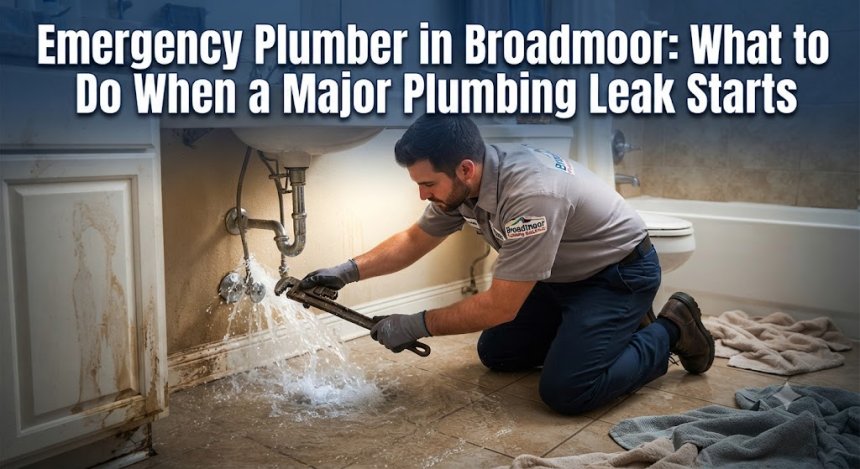
An emergency plumber in Broadmoor is often the single most critical contact a homeowner needs when a hidden supply line ruptures or a fixture connection fails catastrophically inside their walls. Broadmoor, a historic and vibrant residential neighborhood in Orleans Parish known for its raised California bungalows, raised center-hall cottages, and beautiful historic architecture, features aging domestic plumbing networks that are increasingly vulnerable to joint fatigue and pressure surges. When a major plumbing leak begins, thousands of gallons of water can saturate your subfloors and structural framing within minutes, making swift intervention essential to protecting your property value and family safety.
What Is a Major Plumbing Leak?
A major plumbing leak is an uncontrolled, high-volume discharge of water from pressurized supply lines, damaged waste pipes, or compromised fixture connectors that outpaces a home's standard drainage or containment capacity.
Common situations include supply lines snapping completely off beneath a kitchen sink, hidden pinhole leaks rupturing inside plaster walls, or main water service lines failing underground between the street meter and the foundation. In historic neighborhoods across New Orleans, these emergencies frequently manifest as sudden drops in home water pressure, pooling water across wood flooring, or damp patches appearing unexpectedly on ceilings and drywall.
Why Does This Plumbing Problem Happen?
Major plumbing leaks are driven by a combination of material degradation, environmental stress, and mechanical wear over time.
-
Aging Pipes and Corrosion: Decades of continuous water flow wear down the interior walls of galvanized steel, cast-iron, and older copper pipes until structural failure occurs.
-
High Water Pressure: Municipal water pressure running higher than 80 PSI places relentless physical stress on pipe joints, supply connectors, and appliance hoses.
-
Hard Water Mineral Buildout: Heavy mineral concentrations in regional water supplies erode internal components and weaken valve seats prematurely.
-
Shifting Delta Soils: Shifting moisture levels in New Orleans clay soils place immense foundational stress on underground water service lines and concrete slab penetrations.
-
Improper Past Installations: Substandard soldering, mismatched metal transitions causing galvanic corrosion, and over-tightened threaded fittings lead to eventual joint separation.
-
Seasonal Temperature Fluctuations: Rare winter freezes can cause uninsulated pipes in crawlspaces or exterior walls to fracture as trapped water expands.
Signs You Should Never Ignore
Recognizing early warning signs of pipe failure can mean the difference between a simple valve replacement and a full-scale structural home renovation.
-
Unexplained High Water Bills: A sudden, drastic increase in your monthly municipal utility statement often points to a silent underground or in-wall leak.
-
Damp or Discolored Walls: Peeling paint, bubbling wallpaper, and soft drywall patches indicate water actively pooling inside wall cavities.
-
Musty Odors and Mold Growth: Persistent mildew smells and visible mold colonies flourish rapidly in New Orleans humidity when leaks go unaddressed.
-
Strange Hissing or Bending Noises: Hearing water running inside walls when all household faucets and appliances are turned off.
-
Sudden Pressure Drops: A noticeable reduction in water flow from showerheads and faucets suggests a major break or restriction in the supply line.
Common Plumbing Problems Related to Major Leaks
Major leaks frequently trigger or coincide with a cascade of secondary plumbing and structural complications.
-
Burst Pipes: Catastrophic splitting of supply pipes due to pressure or structural shifting.
-
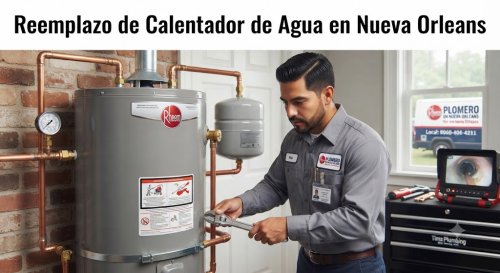
Water Heater Failures: Rusted tank bottoms or failed pressure relief valves dumping gallons of water into utility rooms.
-
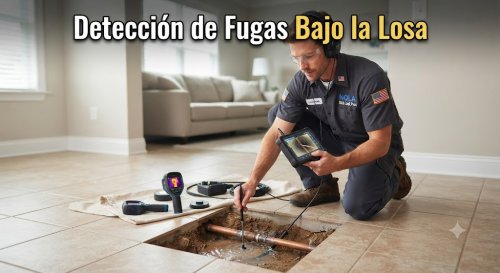
Slab Leaks: Underground pipe fractures beneath concrete foundations eroding structural support.
-
Subfloor Rot and Foundation Damage: Constant moisture exposure destroying historic timber floor joists and framing.
-
Fixture and Cabinet Destruction: Warped wooden cabinetry, ruined drywall, and ruined flooring finishes.
Step-by-Step Professional Repair Process
When you call a licensed plumbing professional in New Orleans to handle a major leak, they execute a precise, methodical repair strategy.
-
Step 1: Immediate Water Shutdown: The technician locates and closes the main water shutoff valve to stop active flooding immediately.
-
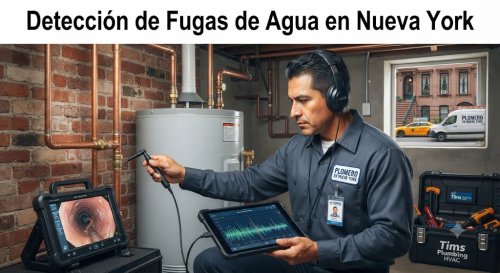
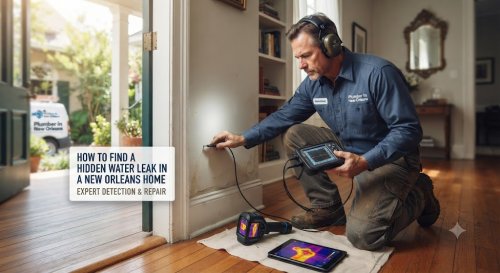
Step 2: Non-Invasive Leak Detection: Advanced acoustic sensors, thermal imaging, and pressure testing equipment are deployed to isolate the exact source.
-
Step 3: Comprehensive Damage Assessment: The plumber evaluates the structural integrity of surrounding pipes and framing to determine the optimal repair scope.
-
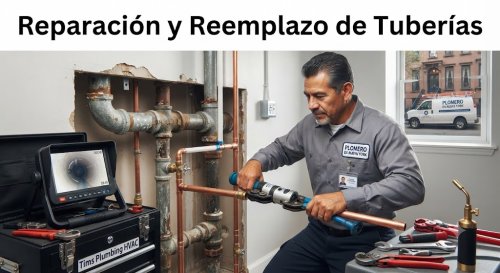
Step 4: Targeted Repair or Replacement: Damaged pipe segments, failed fittings, or compromised sections are cut away and replaced with modern, durable materials like PEX or copper.
-
Step 5: System Pressure Testing: The plumbing network is re-pressurized and monitored to verify that all repairs hold securely under load.
-
Step 6: Area Cleanup and Safety Check: The workspace is cleared, and technicians advise on professional drying, dehumidification, and mold prevention steps.
-
Step 7: Preventive Consultation: The homeowner receives professional maintenance guidance tailored to historic Broadmoor housing structures.
Can You Fix It Yourself?
While handy homeowners can manage minor cosmetic updates, major plumbing leaks require extreme caution and professional intervention.
-
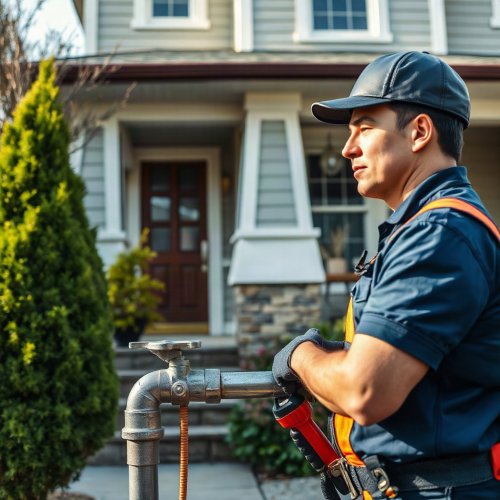
Safe DIY Solutions: Your primary safe action is locating and turning off the main property water shutoff valve to halt damage.
-
Temporary Fixes: Applying rubber repair tape or clamping temporary patch kits on low-pressure lines can slow minor pinhole leaks briefly.
-
What You Can Safely Do: Place buckets beneath active drips, move furniture away from water zones, and switch off electricity to affected rooms if water nears outlets.
-
When DIY Becomes Dangerous: Attempting to solder live, damp copper lines or wrenching heavily corroded main shutoff valves can snap pipes and worsen flooding instantly.
-
When Professional Plumbing is Necessary: Any major supply line rupture, slab leak, or in-wall break demands immediate dispatch of a licensed plumbing professional.
Tools Professionals Use
Modern plumbing relies on high-tech diagnostic and repair equipment to resolve major leaks without unnecessary property destruction.
-
Acoustic Leak Detectors: Electronic listening devices that pick up the specific frequency of water escaping pressurized pipes beneath floors or behind walls.
-
Thermal Imaging Cameras: Infrared technology that maps temperature differentials caused by hidden moisture pockets behind finished drywall.
-
Electronic Pipe Locators: Transmitters and receivers used to trace underground water lines and map precise layout depths.
-
Hydrostatic Pressure Testers gauges: Instruments used to measure and verify system integrity before and after repair work.
-
Trenchless Pipe Lining Tools: Advanced equipment designed to rehabilitate damaged underground supply and sewer lines with minimal excavation.
How Long Does the Repair Usually Take?
Repair durations fluctuate based on the accessibility of the leak and the extent of pipe damage.
-
Emergency Shutoff and Isolation: 15 to 30 minutes to stabilize the property and stop active flooding.
-
Standard Fixture or Supply Pipe Repair: 1 to 3 hours for accessible under-sink or crawlspace pipe replacements.
-
In-Wall Pipe Reconstruction: 2 to 5 hours depending on drywall cutting and structural access requirements.
-
Major Main Service Line Replacement: 1 to 2 days if outdoor excavation or directional boring under hardscaping is required.
-
Factors Affecting Time: Pipe depth, wall material composition, presence of asbestos or historic wiring, and local permit coordination.
Cost Factors
Professional plumbing investments vary based on specific job requirements.
-
Diagnostic and Service Call Fees: Initial dispatch and advanced leak detection expenses.
-
Location and Accessibility: Repairing an exposed crawlspace pipe versus cutting through concrete slabs or lath-and-plaster walls.
-
Materials Required: Upgrading from outdated galvanized iron to modern cross-linked polyethylene (PEX) or copper piping.
-
Emergency Dispatch Rates: Premium hourly or flat-rate pricing applied for after-hours, weekend, or holiday service calls.
-
Permit and Restoration Costs: Local municipal permit fees and subsequent drywall or flooring restoration.
-
Cost Overview: Plumbing repair costs vary depending on the severity of the problem, accessibility, materials required, emergency service, property type, and local labor rates.
Hidden Truths Homeowners Should Know
Operating a home in New Orleans involves distinct structural realities that every property owner must navigate.
-
Small Leaks Become Expensive Repairs: A minor pinhole leak left unattended will erode framing studs and invite massive structural remediation.
-
Cheap Temporary Fixes Fail: Duct tape and epoxy putty are temporary band-aids that inevitably blow out under regular water pressure.
-
Insurance Exclusions: Standard homeowner policies frequently reject water damage claims caused by deferred maintenance and neglected old pipes.
-
Hard Water Shortens Lifespan: Regional mineral content accelerates internal corrosion across water heaters and supply valves.
-
DIY Mistakes Increase Costs: Overtightening fittings or using incompatible metal connectors turns minor fixes into costly overhauls.
-
Delaying Repairs Invites Mold: High humidity environments allow toxic mold colonies to establish within 24 hours of a leak.
-
Hidden Leaks Spike Bills: Undetected water loss wastes hundreds of gallons daily, artificially inflating utility statements.
-
Annual Maintenance Saves Money: Professional preventative inspections catch failing seals before they rupture.
-
Old Valves Seize Up: Main water shutoff valves left unexercised for years often fail to close during an actual emergency.
15 Common Mistakes Homeowners Make
Avoiding these frequent errors will protect your plumbing infrastructure and save you from unnecessary financial stress.
-
Ignoring Minor Drips: Waiting until a small drip turns into a full-scale pipe blowout.
-
Using Chemical Drain Cleaners Incorrectly: Pouring harsh acids into lines with compromised joints or active leaks.
-
Failing to Locate Main Shutoff: Not knowing where the main water shutoff valve is located before an emergency strikes.
-
Hiring Unlicensed Handymen: Trusting complex pressurized pipe repairs to unqualified workers without insurance.
-
Skipping Annual Inspections: Operating vintage plumbing systems for decades without professional evaluations.
-
Over-Tightening Threaded Fittings: Applying excessive wrench force that cracks brass elbows and PVC connectors.
-
Ignoring Water Pressure Spikes: Failing to install a thermal expansion tank or pressure reducing valve when PSI is high.
-
Using Incorrect Pipe Materials: Mixing copper and galvanized steel directly, triggering rapid galvanic corrosion.
-
Neglecting Washing Machine Hoses: Failing to replace rubber supply lines every five years with braided stainless steel.
-
Hiding Access Points: Covering up main cleanouts and shutoff valves behind permanent drywall or dense landscaping.
-
Ignoring Damp Odors: Dismissing musty smells until subfloors suffer advanced rot damage.
-
Delaying Holiday Repairs: Waiting until family gatherings conclude before addressing sluggish or leaking lines.
-
Using Plungers on Supply Leaks: Attempting to fix pressurized supply pipe leaks with standard drain plungers.
-
Skipping Permits for Major Work: Performing unpermitted structural plumbing alterations that complicate future home sales.
-
Overlooking Outdoor Spigots: Leaving garden hoses attached during freezing weather, causing indoor pipe splits.
Maintenance Tips
Implement these practical, seasonal maintenance strategies to keep your Broadmoor plumbing system performing reliably year-round.
-
Test Main Shutoff Valves: Annually open and close your main water shutoff valve to ensure it moves freely.
-
Monitor Monthly Water Bills: Watch for sudden, unexplained increases in your municipal utility statements.
-
Check Under Sinks Regularly: Inspect cabinet bases for early signs of moisture, corrosion, or slow supply drips.
-
Install Leak Detection Alarms: Place battery-operated smart water sensors near water heaters, washing machines, and under key sinks.
-
Test Sump Pumps Seasonally: Pour water into basement or crawlspace sump pits to verify pump activation before heavy storms.
-
Insulate Exposed Pipes: Protect vulnerable pipes in unconditioned crawlspaces and exterior walls during rare winter freezes.
-
Check Water Pressure: Use a hose-bib gauge to verify your home pressure remains below 80 PSI.
-
Replace Appliance Hoses: Upgrade old rubber washing machine and dishwasher hoses to burst-resistant braided steel lines.
-
Flush Water Heaters Annually: Drain mineral sediment from your tank to maintain thermal efficiency and prevent tank leaks.
-
Schedule Professional Inspections: Have a licensed plumber evaluate your whole-house plumbing system every year.
-
Know Emergency Contacts: Keep a trusted local emergency plumber number saved in your phone before trouble strikes.
-
Avoid Chemical Drain Openers: Protect your pipe integrity by relying on mechanical clearing or hydro jetting.
-
Inspect Outdoor Spigots: Disconnect garden hoses and check anti-siphon valves before winter weather arrives.
-
Clear Drains of Hair and Grease: Use strainers in all baths and avoid pouring cooking fats down kitchen drains.
-
Address Drips Promptly: Repair minor fixture leaks immediately to prevent valve seat degradation.
When Should You Call an Emergency Plumber?
Certain plumbing scenarios cannot wait for regular business hours and require immediate professional intervention.
-
Major Supply Pipe Ruptures: Water spraying continuously inside walls, ceilings, or crawlspaces.
-
Total Loss of Water Supply: Sudden, unexplained loss of water pressure across your entire household.
-
Uncontrollable Fixture Leaks: Faucets or supply valves that cannot be stopped by closing local fixtures.
-
Sewage Backups: Wastewater emerging from floor drains or fixtures during a main line failure.
-
Gas Line Concerns: Any suspicion of a natural gas leak near your water heater or appliances (evacuate immediately).
-
Major Structural Flooding: Rapidly accumulating water threatening electrical panels and subfloor framing.
Frequently Asked Questions
Why is my water pressure suddenly low? Sudden low pressure is typically caused by a partially closed main valve, a failing pressure regulator, or a hidden leak in your supply line.
How much does leak detection cost? Leak detection pricing varies based on the property size, pipe accessibility, and advanced acoustic or thermal equipment required by the technician.
Can a clogged drain damage pipes? Yes. Persistent clogs increase internal hydraulic pressure, which stresses pipe joints and can cause cracks or structural bursts over time.
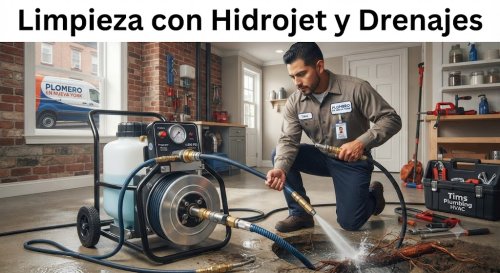
Is hydro jetting safe for old pipes? A licensed plumber must perform a camera inspection first; while safe for sound pipes, hydro jetting can damage severely compromised or collapsed historic lines.
How do I know if my sewer line is broken? Frequent backups, persistent foul odors, soggy lawn patches, and gurgling drains are the primary indicators of a broken sewer line.
How long do water heaters last? Standard tank water heaters typically last between 8 to 12 years, while tankless units can operate efficiently for 15 to 20 years with maintenance.
Why does my faucet drip? Dripping faucets are usually caused by worn-out rubber washers, degraded O-rings, or mineral accumulation inside the valve cartridge.
What causes pipes to burst? Freezing temperatures, extreme age, high municipal water pressure, and heavy soil shifting are the leading causes of pipe bursts.
Can plumbing leaks increase my water bill? Even a small pinhole leak can waste thousands of gallons of water per month, resulting in a significantly inflated municipal utility bill.
When should I replace plumbing instead of repairing it? You should consider full replacement when pipes experience repeated failures, extensive corrosion, material degradation, or frequent root intrusions.