Emergency Plumber in Gentilly: Main Sewer Line Backup
Facing a main sewer line backup in Gentilly, New Orleans? Learn causes, warning signs, DIY limits, and when to call an emergency plumber today
Introduction to Emergency Plumbing in Gentilly
Dealing with a main sewer line backup is arguably one of the most stressful experiences a property owner can face. Residents across the historic Gentilly neighborhood in New Orleans—as well as nearby areas like Lakeview, Mid-City, and Pontchartrain Park—frequently encounter plumbing challenges due to the region's high water table, aging infrastructure, and mature oak tree canopies. When wastewater begins pooling in your basement, backing up through your shower drains, or overflowing from your toilets, immediate attention is vital. Homeowners search for this urgent topic because a sewer backup poses severe health hazards, property damage risks, and total disruption to daily life. Knowing how to act swiftly before calling Plumber in New Orleans can save you thousands of dollars in restoration costs.
What Is a Main Sewer Line Backup?
A main sewer line backup occurs when the primary pipe carrying all wastewater from your home or business to the municipal sewer main becomes blocked, damaged, or collapsed.
-
Definition: The central drainage artery of your property's plumbing system fails to clear wastewater, forcing raw sewage and gray water backward into your property's lowest plumbing fixtures.
-
Common Situations: You flush a toilet, and water bubbles up in your bathtub; you run the washing machine, and your kitchen sink fills with dirty water.
-
Symptoms: Multiple plumbing fixtures draining slowly, gurgling sounds coming from toilets or pipes, foul sewage odors around floor drains, and pooling water near basement cleanouts.
-
Examples: A Gentilly homeowner notices foul-smelling water backing up into the downstairs shower every time the kitchen sink is used, signaling a total blockage in the main lateral line.
Why Does This Plumbing Problem Happen?
Sewer line failures do not happen overnight; they are typically the culmination of environmental factors, system aging, and daily wear and tear.
-
Tree Roots: Mature oak and crape myrtle roots in New Orleans naturally seek out moisture sources, infiltrating tiny cracks in older clay or cast-iron sewer pipes and causing complete blockages.
-
Aging Pipes and Corrosion: Many historic properties in Gentilly still feature aging galvanized steel, cast iron, or clay pipes that corrode, rust, or collapse over decades of use.
-
Improper Disposal: Flushing non-flushable items such as "flushable" wipes, paper towels, feminine hygiene products, cotton swabs, and cooking grease creates stubborn masses inside the pipe.
-
Ground Shifting and Subsidence: The unique soil composition and high moisture levels in New Orleans lead to ground shifting, causing pipes to sag, separate, or break completely (belly pipes).
-
Scale and Mineral Buildup: Hard water and mineral deposits line the interior walls of pipes over time, drastically narrowing the internal diameter and catching debris.
Signs You Should Never Ignore
Recognizing early warning signs gives you a chance to address minor drainage issues before they escalate into catastrophic indoor flooding.
-
Multiple Slow Drains: When a single sink drains slowly, it is usually a localized clog. When every sink, tub, and toilet in the house drains sluggishly, the problem lies in the main sewer line.
-
Gurgling Plumbing Fixtures: Hearing a gurgling sound when your washing machine drains or when you flush the toilet indicates trapped air in the plumbing system caused by a blockage.
-
Unpleasant Sewage Odors: Persistent foul smells emanating from your floor drains or yard indicate that sewer gases are escaping due to a vent issue or a cracked pipe.
-
Soggy Patches in the Yard: A patch of grass in your Gentilly yard that is unusually lush, green, or consistently soggy without rain points to a broken underground sewer line leaking wastewater.
-
Pest Infestations: Cracks and breaches in sewer lines can attract rodents and insects seeking moisture and food sources, leading to unexpected indoor pest problems.
Common Plumbing Problems Related to This Issue
Main sewer line blockages rarely occur in isolation and are frequently accompanied by or tied to other severe plumbing failures.
-
Drain Clogs: Accumulated hair, soap scum, and food waste compound the primary sewer obstruction.
-
Pipe Leaks: Increased internal pressure from blockages can cause weak joints and pipe walls to crack or burst.
-
Slab Leaks: Shifting soil and compromised drainage under concrete foundations can result in under-slab pipe fractures.
-
Fixture Damage: Corrosive raw sewage backing up can ruin flooring, baseboards, vanities, and drywall.
Step-by-Step Professional Repair Process
When you call a licensed professional to handle a sewer emergency, a systematic approach ensures the problem is resolved correctly the first time.
-
Step 1: Inspection: The plumber arrives on-site to assess the scope of the backup and locate property access points.
-
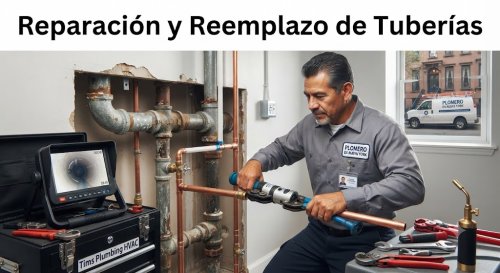
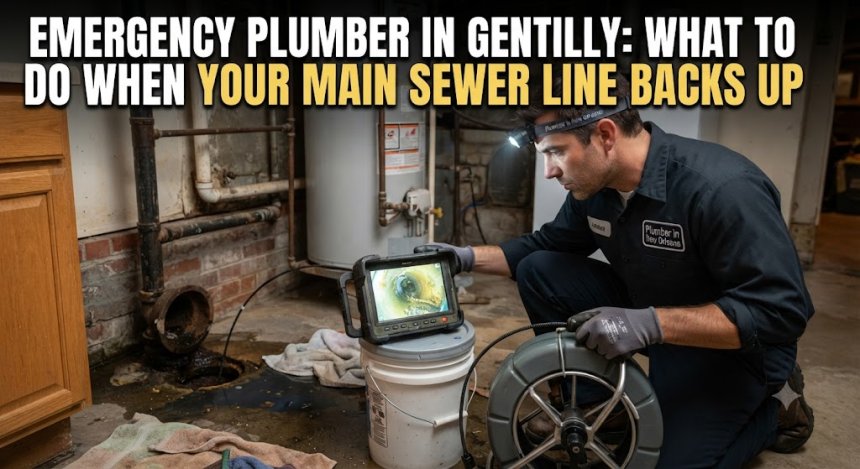
Step 2: Diagnosis: Using a high-resolution sewer camera, the technician navigates the interior of the pipe to pinpoint the exact location and cause of the blockage or structural damage.
-
Step 3: Estimate: You receive a clear, upfront explanation of the findings and a transparent cost estimate before any restorative work begins.
-
Step 4: Repair: Depending on the diagnosis, the technician performs hydro jetting, mechanical rooting, or trenchless pipe repair.
-
Step 5: Testing: The system is thoroughly flushed and re-inspected with the camera to verify that full water flow has been restored.
-
Step 6: Cleanup: The work area is sanitized, and any debris generated during the service is cleared away.
-
Step 7: Maintenance Advice: The plumber provides customized recommendations to prevent future backups.
Can You Fix It Yourself?
Attempting to clear a main sewer line backup without professional equipment or training is rarely successful and often dangerous.
-
Safe DIY Solutions: You can temporarily refrain from using water, washing clothes, or flushing toilets to prevent further indoor flooding.
-
What Homeowners Can Safely Do: Keep family members and pets away from standing wastewater and clear pathways for the incoming service technicians.
-
When DIY Becomes Dangerous: Pouring harsh chemical drain cleaners down multiple fixtures when a main line is blocked can cause dangerous chemical splashes if the standing water backs up.
-
When Professional Plumbing is Necessary: Any backup affecting multiple fixtures, structural pipe collapses, or heavy root intrusion requires industrial-grade machinery and licensed expertise.
Tools Professionals Use
Modern plumbing relies on advanced technology to diagnose and repair sewer lines with minimal disruption to your property.
-
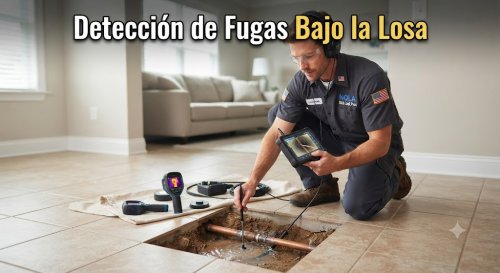
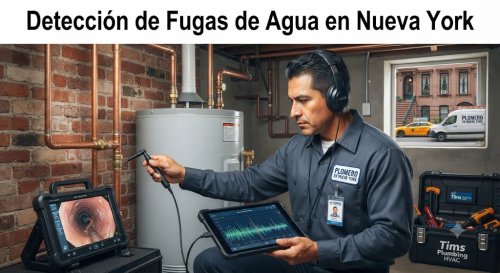
Drain Inspection Cameras: Waterproof fiber-optic cameras provide a live video feed of the pipe interior, showing exact damage locations.
-
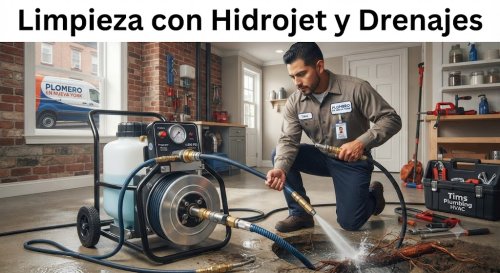
Hydro Jetting Equipment: High-pressure water streams (up to 4,000 PSI) scour pipe walls clean of grease, scale, and tree roots.
-
Electronic Pipe Locators: Surface sensors track the exact path and depth of underground pipes to pinpoint excavation or repair spots precisely.
-
Trenchless Repair Systems: Pipe bursting and epoxy relining equipment allow plumbers to repair or replace underground pipes without tearing up your entire yard or driveway.
How Long Does General Repair Take?
Repair timelines vary widely depending on the complexity of the obstruction and the structural integrity of the piping system.
-
Simple Rooter Clearing: 1 to 2 hours for standard mechanical snaking.
-
Hydro Jetting Services: 2 to 4 hours depending on the extent of grease and scale buildup.
-
Spot Repairs: 1 day to excavate and replace a localized damaged section of pipe.
-
Full Sewer Line Replacement: 2 to 4 days depending on length, yard landscaping, and municipal permit coordination.
Cost Factors for Sewer Line Repairs
Plumbing repair costs vary depending on the severity of the problem, accessibility, materials required, emergency service, property type, and local labor rates.
-
Diagnostic Fees: Standard service call fees to cover travel and initial camera inspection.
-
Severity and Depth: Deeply buried lines or pipes running beneath concrete slabs require more labor and specialized equipment.
-
Materials Required: Upgrading from aging clay or cast-iron pipes to modern PVC impacts material costs.
-
Emergency Dispatch: After-hours, weekend, or holiday emergency calls involve adjusted labor rates due to immediate dispatch requirements.
-
Restoration Work: Repairing landscaping, concrete, or drywall affected by the backup.
Hidden Truths Homeowners Should Know
-
Small leaks quickly transform into expensive structural repairs if left unattended.
-
Chemical drain cleaners generate heat that can warp PVC pipes and destroy older metal lines.
-
Standard homeowners insurance policies rarely cover damage resulting from neglected property maintenance.
-
Tree roots will repeatedly return to the same sewer line unless the pipe is structurally sealed or replaced.
-
Hard water deposits silently narrow pipe diameters over years of unnoticed accumulation.
-
DIY repair attempts often compound minor issues, increasing ultimate professional labor costs.
-
Mold begins colonizing damp drywall and subflooring within 24 to 48 hours of a sewage backup.
-
Annual video camera inspections catch root infiltration before a complete plumbing failure occurs.
15 Common Mistakes Homeowners Make
-
Ignoring slow-draining sinks until they completely overflow.
-
Pouring chemical drain cleaners into a fully blocked main line.
-
Flushing wet wipes labeled as "flushable" down toilets.
-
Pouring warm cooking grease and oils down kitchen drains.
-
Failing to locate the main property cleanout cap.
-
Hiring unlicensed handymen for complex sewer repairs.
-
Skipping routine plumbing and drain maintenance.
-
Waiting for active emergencies before inspecting aging lines.
-
Using incorrect replacement pipe diameters or materials.
-
Over-tightening fragile plumbing fittings during DIY fixes.
-
Planting large trees too close to underground sewer lateral paths.
-
Neglecting to install backwater prevention valves in flood-prone areas.
-
Failing to document property damage for insurance claims.
-
Disposing of paint, construction debris, or coffee grounds in sinks.
-
Delaying professional diagnostic camera inspections.
Maintenance Tips for Healthy Plumbing
-
Schedule professional drain cleanings every 18 to 24 months.
-
Install hair catchers in all shower and tub drains.
-
Never flush anything other than human waste and toilet paper.
-
Keep kitchen grease out of your plumbing by wiping pans with paper towels.
-
Know the exact location of your main water shut-off valve.
-
Inspect your basement or crawlspace regularly for damp spots.
-
Consider installing a backwater valve to prevent municipal backups.
-
Protect outdoor pipes from freezing during rare cold snaps.
-
Run enzymatic drain treatments monthly to break down organic buildup.
-
Keep large shade trees safely distanced from underground lateral lines.
-
Test your sump pump regularly if your Gentilly home utilizes one.
-
Address minor dripping faucets immediately to reduce system stress.
-
Avoid planting shrubs with aggressive root systems near sewer easements.
-
Clean aerators on faucets annually to maintain steady water pressure.
-
Keep a record of all past plumbing repairs and contractor visits.
When Should You Call an Emergency Plumber?
-
Sewage Backup: Raw sewage pooling inside your living spaces or basement.
-
Burst Pipes: Sudden pipe ruptures gushing water into walls or floors.
-
Total Loss of Drainage: Multiple fixtures backing up simultaneously with nowhere to go.
-
Overflowing Toilets: Bathrooms flooding uncontrollably from blocked drains.
-
Foul Gas Odors: Persistent sewer gas smells indicating compromised vent stacks or cracked lines.
Frequently Asked Questions
-
Why is my water pressure suddenly low? Low pressure is usually caused by clogged aerators, a partially closed main valve, or a hidden water leak.
-
How much does leak detection cost? Costs vary based on equipment needed and property size, but professional detection prevents costly exploratory digging.
-
Can a clogged drain damage pipes? Yes, pressure buildup from severe clogs can crack pipe joints and cause leaks.
-
Is hydro jetting safe for old pipes? A licensed plumber must inspect the pipe condition first; severely decayed pipes may require gentler cleaning methods.
-
How do I know if my sewer line is broken? Frequent backups, soggy lawn patches, and foul odors are primary indicators of a broken line.
-
How long do water heaters last? Standard tank water heaters typically last between 8 to 12 years with proper maintenance.
-
Why does my faucet drip? Worn internal washers, O-rings, or valve seats usually cause persistent drips.
-
What causes pipes to burst? Freezing temperatures, excessive water pressure, and severe rust corrosion are primary culprits.
-
Can plumbing leaks increase my water bill? Even a small silent leak in a toilet flapper or underground pipe can significantly spike your monthly utility bill.
-
When should I replace plumbing instead of repairing it? If pipes suffer from widespread corrosion, frequent leaks, or age past their expected lifespan, total replacement is more cost-effective.