Why Does My New Orleans Historic Home Have Low Water Pressure?
Discover common causes of low water pressure in New Orleans historic homes, from aging galvanized pipes to Louisiana mineral buildup, and how to address it.

Living in a historic New Orleans home—whether it is a classic Creole cottage in Faubourg Marigny or a grand Victorian in the Garden District—comes with distinct architectural charm. However, original plumbing systems in these older properties often present unique challenges. One of the most frequent complaints homeowners bring to a plumber in New Orleans is a frustrating drop in water flow throughout the house.
Understanding why your taps and showerheads lack force requires looking closely at how older plumbing infrastructure interacts with local conditions in Southeast Louisiana. Here is an overview of why low water pressure happens in historic New Orleans properties and what can be done about it.
Aging Galvanized Steel Pipes
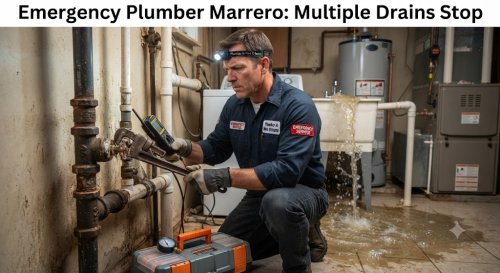
Many historic homes in New Orleans still retain sections of their original plumbing, which frequently includes galvanized steel pipes. Installed decades ago, these metal pipes are prone to internal corrosion. Over many years of exposure to water, mineral deposits and rust accumulate inside the pipe walls, gradually choking the interior diameter down to a narrow channel.
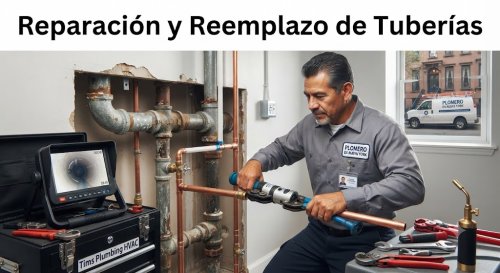
When sediment restricts the pathway, water simply cannot travel through the pipes at normal volume or velocity. If your home experiences low water pressure that affects both hot and cold lines equally across multiple rooms, internal pipe corrosion is a prime suspect that often requires professional pipe repair or repiping.
Mineral Buildup and Louisiana Water Conditions
The municipal water supply in New Orleans travels through an extensive treatment network before reaching your taps. Over time, calcium and other mineral deposits can precipitate out of the water, forming hard scale inside supply lines, shut-off valves, and plumbing fixtures.
In historic homes with delicate antique fixtures or older aerators, even a small amount of mineral buildup can severely bottleneck water flow. Sometimes, unscrewing and cleaning a faucet aerator instantly restores pressure to that specific sink, proving that the issue is localized rather than a whole-house structural problem.
Undetected Leaks in Older Infrastructure
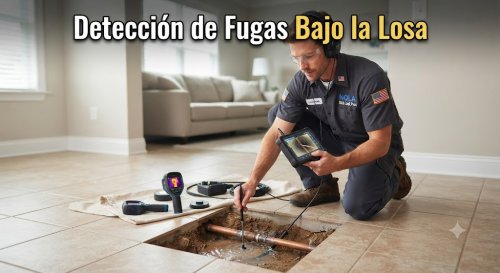
Historic foundations—often raised brick piers or older slab foundations—shift naturally over time due to the high water table and soft alluvial soils unique to the New Orleans area. This shifting can place stress on aging supply lines, resulting in pinhole leaks or joint fractures.
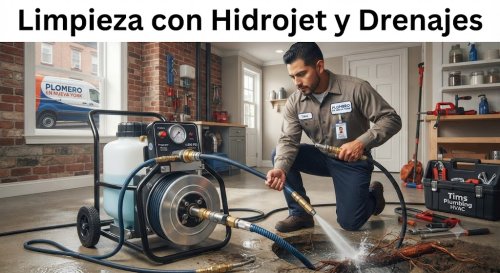
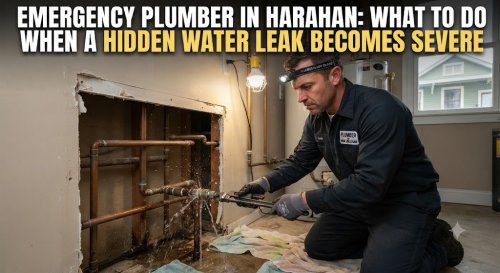
When a pipe is leaking underground or behind a lath-and-plaster wall, water escapes before it reaches your fixtures, leading to a noticeable drop in household water pressure. If you notice damp spots, unexplained spikes in your municipal water bill, or the sound of running water when all taps are closed, leak detection services are essential to locate and resolve the hidden break.
Corroded Shut-Off Valves and Pressure Regulators
Older brass and iron gate valves used in historic New Orleans plumbing systems are notorious for failing internally. If a main water shut-off valve is partially stuck or its internal gate has broken loose, it will physically block the proper flow of water into the home.
Additionally, modern municipal supply pressures fluctuate, leading many homeowners to install pressure-reducing valves (PRVs). If an older PRV fails, it can become stuck in a restricted position, cutting off the normal flow of water into your domestic system.
Steps to Diagnose and Address Low Water Pressure
Troubleshooting low water pressure safely in a historic property involves a few systematic checks:
- Check single vs. multiple fixtures: Turn on multiple sinks and showers simultaneously. If pressure drops drastically everywhere, the issue is likely at the main supply or entry point. If only one sink is weak, clean the aerator.
- Inspect main control valves: Ensure that your main water meter valve and your indoor main shut-off valve are fully open.
- Evaluate neighboring properties: Ask your neighbors if they are experiencing similar drops in flow, which can indicate municipal line work or temporary city pressure adjustments.
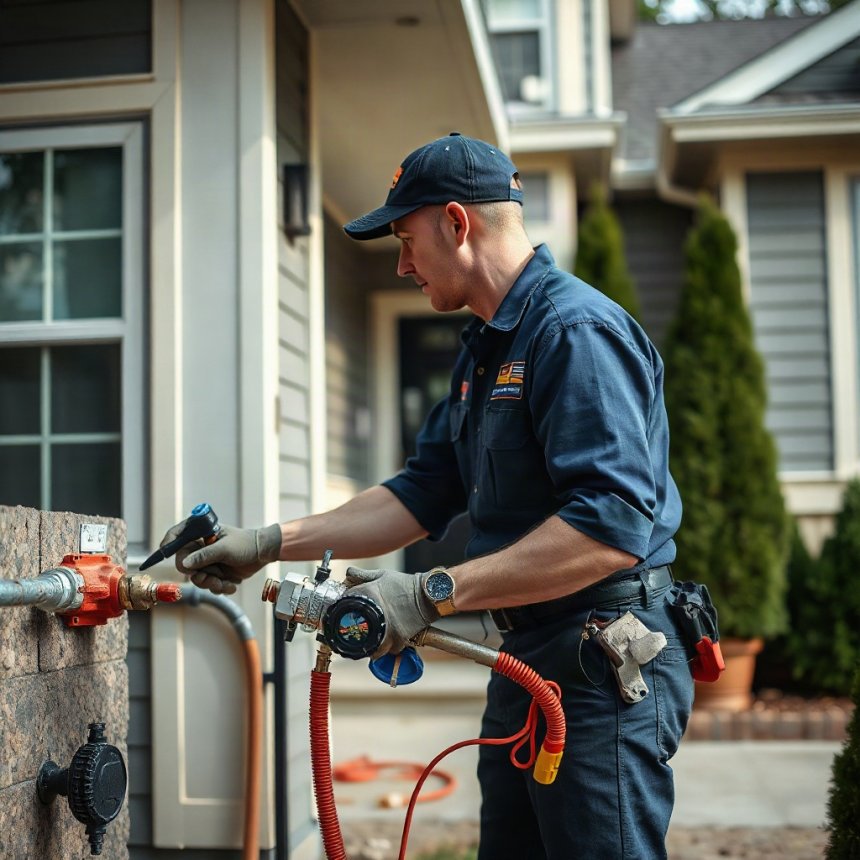
- Consult a professional: Because historic plumbing systems feature fragile materials and non-standard fittings, forcing a repair can lead to a snapped pipe. A licensed residential plumber in New Orleans can accurately evaluate whether your home needs localized valve replacements or a comprehensive repiping project.
Frequently Asked Questions
Can low water pressure be caused by the city water supply in New Orleans?
Yes, occasionally maintenance on municipal mains or water purification plant adjustments by the Sewerage and Water Board of New Orleans can cause temporary pressure drops in specific neighborhoods. However, if the issue persists for days, the restriction is almost certainly located within your private property lines.
Are galvanized pipes safe to keep in a historic New Orleans home?
While they are not inherently hazardous in the way lead lines can be, galvanized steel pipes have a finite lifespan. Once internal rust and mineral occlusion reduce your water pressure significantly, the most effective long-term solution is replacing them with modern PEX or copper piping.
Why does my hot water have lower pressure than my cold water?
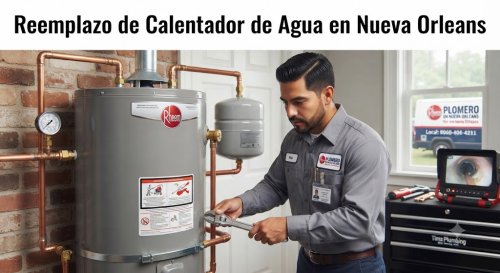
If only your hot water line suffers from low pressure, the restriction is usually isolated to your water heater or the hot water supply pipe leaving the tank. Sediment buildup inside the water heater tank or a failing inlet valve can restrict hot water delivery.