Common Causes of Low Water Pressure in New Orleans Historic Homes
Discover why historic New Orleans homes experience low water pressure. Learn about galvanized pipes, sediment buildup, and local plumbing issues.

Understanding Low Water Pressure in New Orleans Historic Properties
Stepping into a historic New Orleans home—whether it is a classic Creole cottage in Faubourg Marigny or an elegant Greek Revival center-hall in the Garden District—reveals incredible architectural heritage. However, these older properties often come with aging infrastructure. One of the most frequent frustrations homeowners and property managers face is sudden or chronic low water pressure.
Dealing with weak water flow when trying to take a shower or run the washing machine can disrupt daily routines. Because New Orleans has a unique municipal water distribution network and a high water table, diagnosing water pressure issues requires an understanding of both local plumbing history and modern diagnostic techniques.
1. Galvanized Steel Pipe Corrosion and Buildup
Many older homes in New Orleans still retain portions of their original plumbing systems, which frequently include galvanized steel supply lines. Over decades of service, the interior zinc coating of galvanized pipes deteriorates. When this happens, iron and mineral deposits accumulate inside the pipe walls, drastically narrowing the internal diameter.
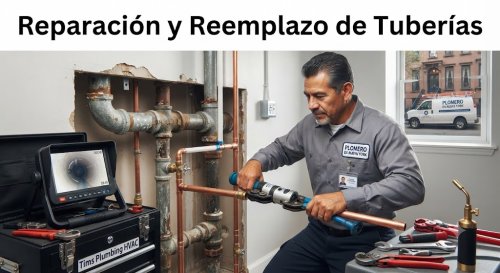
As the pathway for water shrinks, volume and pressure drop significantly throughout the house. If you notice that water pressure decreases every time multiple fixtures are turned on simultaneously, severe internal pipe corrosion is a likely culprit. Replacing these aging lines with modern cross-linked polyethylene (PEX) or copper piping is often the most effective long-term solution.
2. Sediment and Scale Accumulation in Faucet Aerators
Not all low water pressure issues stem from major pipe failures. Sometimes, the restriction happens right at the point of use. Municipal water systems can carry tiny mineral particles and sediment through the lines. In New Orleans, older municipal supply lines undergoing maintenance can dislodge debris that travels directly into residential plumbing.
This debris frequently gets trapped in faucet aerators and showerhead nozzles. Fortunately, this is one of the easiest issues to inspect and resolve. Unscrewing the aerator tip from a bathroom or kitchen sink faucet often reveals a screen clogged with fine silt or mineral scale. Cleaning or replacing these small components can instantly restore strong, even water flow.
3. Partially Closed Shut-Off Valves and Meter Issues
When water pressure drops abruptly across the entire house, the issue is often related to a valve restriction. Every home features a main water shut-off valve, typically located near the water meter or where the main service line enters the building.
- Main Water Valve: If someone recently performed maintenance and did not fully reopen the main gate or ball valve, water volume will be restricted.
- Municipal Supply Variations: The Sewerage and Water Board of New Orleans (SWBNO) manages massive infrastructure grids across varying elevations and soil conditions. Pressure fluctuations from street-level main repairs or aging neighborhood mains can temporarily impact individual properties.
4. Pressure Regulators and Aging Water Heaters
If your home is equipped with a pressure-reducing valve (PRV), a mechanical failure inside the bell of the valve can cause water pressure to drop to a trickle. Furthermore, traditional tank water heaters can accumulate heavy sediment layers at the bottom of the tank, particularly if the water supply carries high mineral content. While this usually affects hot water lines more than cold, a severely blocked water heater can create noticeable pressure imbalances.
Preventing and Resolving Pressure Issues
Maintaining consistent water pressure in a historic New Orleans structure requires proactive plumbing care. Scheduling routine inspections with an experienced residential plumber in New Orleans helps catch minor corrosion or valve restrictions before they escalate into major pipe leaks or sudden bursts.