Emergency Plumber Harvey: What to Do If Water Stops
Lost water suddenly in your Harvey home? Discover top causes, safe DIY checks, professional repair steps, and when to call an emergency plumber.
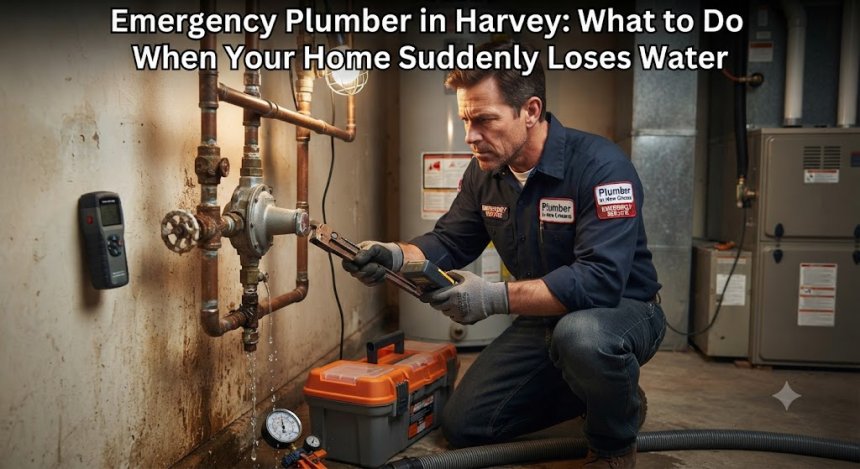
Emergency Plumber in Harvey: What to Do When Your Home Suddenly Loses Water
An emergency plumber in Harvey is urgently needed when a household or business opens a faucet and discovers a complete and unexpected loss of water. The Harvey community, located just across the Mississippi River from downtown New Orleans in Jefferson Parish, features a diverse mix of established neighborhoods, suburban developments, and commercial properties. When a building suddenly loses water entirely, daily routines come to a crashing halt, disrupting everything from cooking and sanitation to commercial operations. Immediate attention is essential because a total lack of water often points to a catastrophic failure, such as a ruptured municipal supply feed, a broken main water service line under the yard, or a completely failed pressure regulator. Homeowners frequently search for this guidance when they find themselves dry, needing immediate clarity on whether the issue is a city-wide outage or a private plumbing emergency requiring urgent expert intervention.
What Is a Sudden Loss of Water?
A sudden loss of water is a critical plumbing emergency defined by the complete cessation of water flow across all fixtures in a home or business without prior warning. Common situations involve waking up to take a shower only to find that every faucet, toilet tank, and appliance is bone dry. Symptoms range from a sputtering faucet that slowly dies to an immediate, total absence of liquid when a handle is turned. For example, if you turn on your washing machine and hear a loud bang followed by zero water entering the drum while your kitchen sink also runs completely dry, your property has likely experienced a major supply line failure. This happens because the pressurized path delivering water from the municipal main to your interior plumbing has been severed, blocked, or shut off.
Why Does This Plumbing Problem Happen?
Sudden water loss stems from mechanical failures, environmental stress points, and infrastructure disruptions both on private property and within the municipal grid.
-
Aging pipes: Old galvanized steel or brittle polybutylene supply lines corrode, crack, or collapse internally over time.
-
Corrosion: Mineral buildup and external rust can completely choke off water flow inside narrow supply nipples.
-
Tree roots: Aggressive root systems in Jefferson Parish soils can crush or sever underground water service lines running from the meter to the house.
-
Hard water: Heavy mineral deposits calcify inside valves and pressure regulators, freezing them in a closed position.
-
High water pressure: Excessive municipal pressure spikes can rupture weak service lines or trigger automatic shut-off valves.
-
Improper installation: Poorly supported underground pipes or incorrect fittings can pull apart under shifting soil conditions.
-
Poor maintenance: Ignoring failing pressure-reducing valves or old main shut-off gates leads to sudden component seizures.
-
Seasonal weather: Extreme ground shifting during wet and dry seasonal cycles in southern Louisiana places massive mechanical stress on buried lines.
-
Frozen pipes: While rare, rare hard freezes can split exposed outdoor lines or backflow preventers.
-
Clogs: Scaled-off rust flakes or sediment masses can travel through lines and jam shut-off valves or faucet cartridges.
-
Sewer backups: While distinct from water supply loss, municipal utility work or main repairs often require the city to shut off local water mains temporarily.
-
Worn plumbing fixtures: Internal valve stems can break and block water transit within individual mixing valves, though a whole-house loss points to a main supply failure.
Signs You Should Never Ignore
Recognizing early warning indicators can give you a head start before a weakening pipe fails completely and cuts off your water supply.
-
Water stains: Discoloration on drywall or flooring points to slow, hidden supply leaks.
-
Slow drains: While primarily a drainage issue, combined plumbing stress often exhibits across multiple system failures.
-
Low water pressure: A gradual or sudden drop in pressure across all home fixtures is the classic precursor to a main line break.
-
High water bills: Unexplained increases in your monthly utility statement indicate a hidden underground leak wasting thousands of gallons.
-
Damp walls: Moisture seeping through interior partitions suggests a pressurized pipe is leaking behind the wall.
-
Mold growth: Fungal patches thrive in areas where hidden pinhole supply leaks create persistent dampness.
-
Strange noises: Whistling, banging, or humming pipes indicate trapped air or failing pressure regulators.
-
Bad smells: Foul odors from taps can occur if contaminated groundwater is siphoning back into a compromised dry line.
-
Standing water: Puddles in your yard along the path of the underground water meter line signal a ruptured service pipe.
-
Discolored water: Brown, rust-tinted, or sputtering tap water indicates severe pipe corrosion or main line disruption.
Common Plumbing Problems Related to This Issue
A total loss of water is frequently tied to broader, systemic plumbing complications that require comprehensive evaluation.
-
Pipe leaks: High pressure or failing materials can rupture supply lines underground or inside walls.
-
Drain clogs: Intermittent water supply can disrupt proper waste transport in drainage lines.
-
Sewer backups: Municipal repairs causing water loss are sometimes coordinated with sewer main maintenance.
-
Water heater failures: Dry-firing an electric or gas water heater when supply is suddenly cut off can instantly burn out heating elements.
-
Burst pipes: Severely weakened sections can rupture completely, causing indoor flooding once pressure is restored.
-
Slab leaks: Shifting foundations can shear copper supply lines running beneath concrete floor slabs.
-
Fixture damage: Sediment surges can ruin delicate ceramic cartridges in modern faucets and shower valves.
Step-by-Step Professional Repair Process
Licensed plumbers follow a strict, systematic methodology to diagnose and restore water service safely and efficiently.
-
Step 1 Inspection: The plumber checks the main water meter, property shut-off valve, pressure-reducing valve, and interior fixtures to isolate the point of failure.
-
Step 2 Diagnosis: Using acoustic listening devices and pressure testing gauges, the technician pinpoints whether the blockage or break is on the city side or private property.
-
Step 3 Estimate: You receive an upfront, transparent price quote outlining the necessary repair or replacement options before work begins.
-
Step 4 Repair: The plumber replaces broken valves, repairs damaged service lines, or excavates and replaces compromised underground pipe sections.
-
Step 5 Testing: Water service is slowly restored, lines are pressurized, and all fixtures are flushed to clear trapped air and debris.
-
Step 6 Cleanup: The work area, yard excavation spots, and interior spaces are cleaned and restored to a tidy condition.
-
Step 7 Maintenance Advice: The technician provides expert guidance on preventing future supply failures and managing home water pressure.
Can You Fix It Yourself?
Homeowners can perform a few safe preliminary checks before calling a professional, but major repairs must be left to licensed experts.
Safe DIY Checks
-
Check with neighbors: Ask adjacent property owners if they also lack water; if the whole street is dry, the issue belongs to the municipal utility provider.
-
Inspect the main shut-off valve: Ensure that your home's main water shut-off valve wasn't accidentally bumped or partially closed.
-
Verify the water meter: Look inside the municipal meter box near the street; if the low-flow indicator triangle is spinning while all indoor taps are off, you have a major leak on your property line.
When DIY Becomes Dangerous
Attempting to dig up and repair underground main water lines without proper locating equipment risks striking hidden electrical, gas, or telecommunication utilities. Tinkering with high-pressure municipal supply connections or main shut-off valves without proper tools can break aging brass fittings, resulting in uncontrollable flooding. Furthermore, DIY repairs that fail to comply with Jefferson Parish plumbing codes can invalidate property insurance claims and create legal liabilities. Contact a licensed emergency plumber when basic checks confirm your home's supply line is shut, broken, or blocked.
Tools Professionals Use
Modern plumbing relies on advanced technology to diagnose supply interruptions and underground breaks with pinpoint accuracy.
-
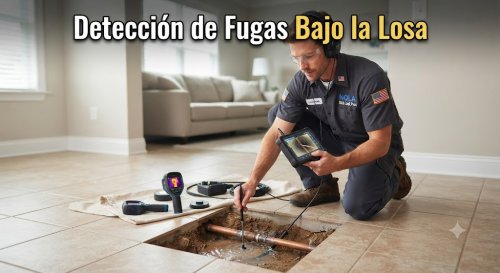
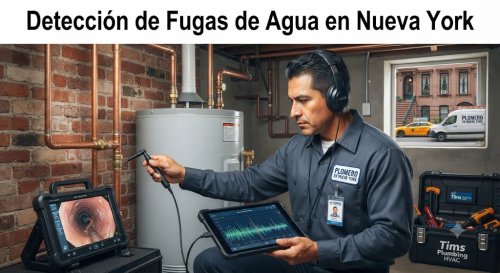
Leak detection equipment: Electronic acoustic listening devices detect the hiss of pressurized water escaping underground or beneath slabs.
-
Pipe locators: Radio frequency transmitters track the exact path and depth of buried water service lines.
-
Pressure testing gauges: Precision dials measure static and dynamic water pressure to evaluate system integrity and regulator performance.
-
Thermal imaging cameras: Infrared technology spots hidden moisture trails and temperature differentials behind walls.
-
Trenchless equipment: Pipe pulling and bursting tools allow plumbers to replace damaged underground water lines without tearing up your entire yard or driveway.
-
Drain and pipe inspection cameras: High-definition scopes evaluate the internal condition of supply and service lines where accessible.
How Long Does the Repair Usually Take?
The duration of a water service restoration depends entirely on the root cause and location of the failure.
-
Simple repairs: Replacing a faulty pressure-reducing valve or a broken main shut-off gate typically takes 1 to 2 hours.
-
Moderate repairs: Fixing an accessible supply pipe leak in a crawlspace or utility room generally requires 2 to 4 hours.
-
Major repairs: Excavating and replacing a damaged underground water service line running from the street meter to the house takes 1 to 2 days.
-
Emergency mitigation: Shutting off failing lines and installing temporary bypass systems takes 1 to 3 hours.
-
Factors affecting time: Soil conditions in Harvey, depth of buried lines, municipal permit requirements, and weather constraints all influence project timelines.
Cost Factors
Plumbing repair costs vary depending on the severity of the problem, accessibility, materials required, emergency service, property type, and local labor rates.
-
Diagnostic fees: Covers professional travel and specialized testing equipment required to locate the issue.
-
Parts: Cost of heavy-duty brass valves, PEX or copper piping, fittings, and pressure regulators.
-
Labor: Skilled labor rates for licensed plumbing technicians and excavation crews.
-
Emergency service charges: Fees applied for after-hours, weekend, or holiday dispatch.
-
Equipment needed: Specialized deployment of electronic locators, excavation machinery, or trenchless tools.
-
Permit costs: Municipal fees required for main water line replacements in Jefferson Parish.
-
Replacement vs. repair: Spot-fixing a valve is considerably less expensive than replacing an entire underground service lateral.
-
Accessibility of pipes: Lines buried deep beneath concrete, asphalt, or mature landscaping require more labor to access.
Hidden Truths Homeowners Should Know
Understanding practical realities about your home's water supply infrastructure helps protect your property and budget. Small leaks in supply lines quickly escalate into expensive structural repairs if ignored. Cheap temporary tape fixes on high-pressure water supply lines always fail under operating pressure. Insurance policies frequently deny coverage for water damage resulting from neglected plumbing maintenance. Tree roots will continually attack vulnerable underground water lines unless broken pipes are replaced with root-resistant materials. Hard water shortens the operational lifespan of water heaters, valves, and fixtures. DIY repair mistakes compound initial damage and increase final professional bills. Delaying repairs causes foundational erosion and structural damage to framing. Hidden leaks dramatically increase utility bills long before they become visible. Mold develops within 24 to 48 hours when hidden leaks saturate building materials. Annual plumbing maintenance and pressure checks save thousands of dollars in emergency repair costs.
15 Common Mistakes Homeowners Make
Avoiding these frequent errors keeps your home's water supply system running safely and efficiently.
-
Ignoring minor pressure drops: Dismissing gradual pressure losses until total water loss occurs.
-
Using chemical drain cleaners on supply lines: Chemical openers destroy metal supply fittings and pose severe health risks.
-
Failing to locate the main shut-off valve: Wasting critical minutes searching for shut-offs during a major pipe rupture.
-
Hiring unlicensed handymen: Entrusting complex water line repairs to uncertified workers who violate local codes.
-
Skipping regular pressure checks: Operating home systems above 80 PSI without a working pressure-reducing valve.
-
Ignoring meter indicators: Failing to notice a continuously spinning leak indicator on the water meter.
-
Waiting until total emergencies happen: Delaying service until lines burst and flood living spaces.
-
Using incompatible pipe materials: Mixing galvanized steel and copper without dielectric unions causes rapid galvanic corrosion.
-
Over-tightening plumbing fittings: Applying excessive torque cracks brass valves and threaded adapters.
-
Neglecting outdoor valve boxes: Allowing dirt and overgrowth to cover underground meter and shut-off boxes.
-
Disposing of debris near exposed lines: Storing heavy items or chemicals near vulnerable utility pipes.
-
Failing to drain water heaters during dry-outs: Leaving heaters powered on when water supply is cut off causes element burnouts.
-
Ignoring damp soil patches: Overlooking unexplained wet spots in the yard above underground supply lines.
-
Skipping permits for major line work: Performing unauthorized underground plumbing modifications creates liabilities.
-
Overlooking annual pressure regulator tests: Allowing worn regulators to expose indoor fixtures to dangerous pressure spikes.
Maintenance Tips
Implement these practical upkeep routines to protect your plumbing infrastructure across changing seasons:
-
Test your main water shut-off valve semi-annually to ensure it closes completely without binding.
-
Check your water meter monthly with all indoor taps off to detect hidden leaks early.
-
Inspect your home’s pressure-reducing valve annually to ensure water pressure remains between 40 and 60 PSI.
-
Keep your main water shut-off valve location clearly marked and accessible to all family members.
-
Insulate exposed supply lines in unconditioned spaces before rare winter freezes arrive.
-
Clear vegetation and soil away from your outdoor meter box and property cleanouts.
-
Flush sediment out of your water heater and supply aerators every year.
-
Avoid planting large trees directly over the path of your underground water service line.
-
Monitor monthly utility bills for sudden, unexplained cost increases.
-
Replace old rubber washing machine hoses with braided stainless steel lines.
-
Install water leak detection smart sensors near major water-using appliances.
-
Check crawlspaces and utility closets regularly for signs of dampness or mineral scaling.
-
Hire a licensed plumber to perform an annual pressure and pipe integrity check.
-
Educate family members on what to do if a major water leak or loss occurs.
-
Upgrade outdated galvanized supply lines proactively before corrosion causes a failure.
When Should You Call an Emergency Plumber?
Certain plumbing crises demand immediate professional intervention to prevent severe property damage:
-
Sudden total water loss: Complete absence of water when all other neighborhood homes have service.
-
Burst supply lines: Major pipe ruptures spraying water inside walls or crawlspaces.
-
Uncontrolled flooding: Standing water accumulating rapidly from compromised supply connections.
-
Sewer backups: Wastewater overflowing into living areas while water service is unstable.
-
Gas line concerns: Strong sulfur odors detected near utility areas where water and gas lines run close.
-
Major water leaks: Unstoppable leaks that require turning off the main supply immediately.
Frequently Asked Questions
Why is my water pressure suddenly low?
Sudden pressure drops are typically caused by a failing pressure-reducing valve, a major partial leak in the supply line, or sediment clogging your faucet aerators.
How much does leak detection cost?
Professional electronic leak detection generally ranges from $150 to $400 depending on the property layout and the complexity of testing required.
Can a clogged drain damage pipes?
While clogs primarily affect drainage, severe backpressure and chemical drain cleaner misuse can damage pipe walls and joints.
Is hydro jetting safe for old pipes?
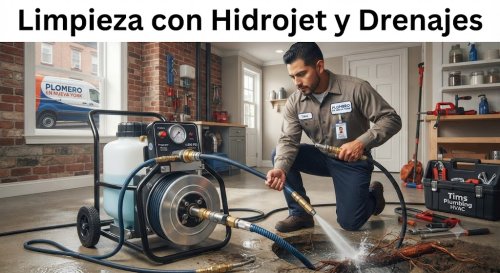
Hydro jetting is highly effective for heavy-duty main lines, but a licensed plumber must inspect older, fragile pipes first to prevent structural damage.
How do I know if my water line is broken?
Key indicators include a sudden loss of water, unexplained soggy patches in your yard, a continuously spinning water meter dial, and dropping indoor water pressure.
How long do water heaters last?
Standard tank water heaters typically last 8 to 12 years, while tankless models can operate for up to 20 years with routine maintenance.
Why does my faucet drip?
Dripping faucets are usually caused by worn-out rubber washers, damaged O-rings, or degraded internal cartridges.
What causes pipes to burst?
Freezing temperatures, extreme water pressure spikes, physical shifting, and advanced internal corrosion are the primary causes of burst pipes.
Can plumbing leaks increase my water bill?
Yes, even a small continuous leak can waste thousands of gallons per month, driving up municipal utility bills significantly.
When should I replace plumbing instead of repairing it?
Replacement is recommended when pipes exhibit widespread corrosion, frequent recurring leaks, or structural failures past the point of economical spot repairs.