Common Causes of Water Leaks in Historic New Orleans Homes
Discover the leading causes of water leaks in historic New Orleans properties and learn how local plumbing challenges impact older pipes.

Owning a historic home in neighborhoods like the French Quarter, Faubourg Marigny, or Garden District is a point of pride for many New Orleans residents. These properties offer incredible architectural character, soaring ceilings, and rich local history. However, aging infrastructure brings unique plumbing challenges. Decades of shifting soils, high humidity, and antiquated materials make these properties particularly vulnerable to plumbing failures.
Understanding why water leaks happen in older structures is the first step toward protecting your property from costly structural damage, mold growth, and skyrocketing utility bills. Experienced local plumbers frequently encounter specific structural and material failures unique to the region's historic housing stock.
Aging Galvanized and Cast Iron Piping
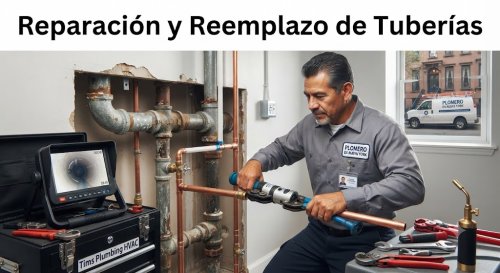
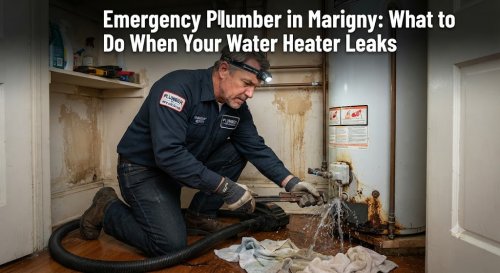
Many historic homes in New Orleans still contain original or mid-century plumbing materials that have long exceeded their intended lifespans. Galvanized steel supply pipes and cast iron drain lines are common culprits behind hidden residential water leaks.
Over decades of continuous use, internal corrosion gradually narrows galvanized water supply pipes, eventually leading to pinhole leaks or sudden pipe bursts. Similarly, cast iron sewer and waste lines corrode from the inside out, often developing cracks or structural collapses beneath the home's foundation or within crawlspaces.
Shifting Louisiana Soil and Foundation Settlement
New Orleans sits on a high water table with dense, expansive clay soils that shift dramatically depending on seasonal rainfall and drought conditions. This constant ground movement exerts intense pressure on underground service lines and under-slab plumbing.
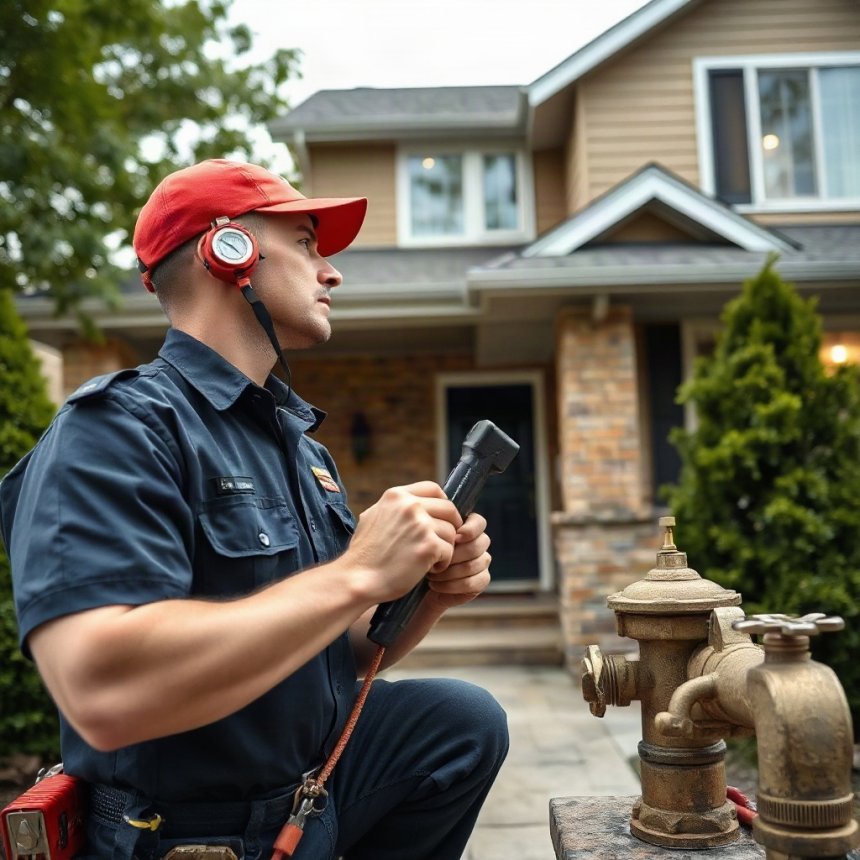
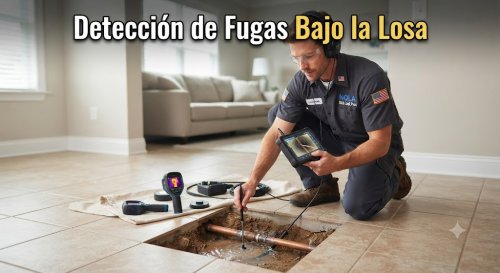
As the ground settles or expands, rigid older pipes can crack, shear, or pull apart at the joints. Slab leaks and underground supply line breaks are frequently traced back to this natural soil movement, requiring advanced electronic leak detection to locate the compromised section without unnecessary excavation.
Tree Root Intrusion in Aging Sewer and Water Lines
Mature live oaks and other large shade trees define the landscape across Uptown and Mid-City, but their extensive root systems pose a severe threat to underground plumbing. Older clay, cast iron, and even early PVC lines often feature small cracks or slightly separated joints that seep moisture into the surrounding soil.
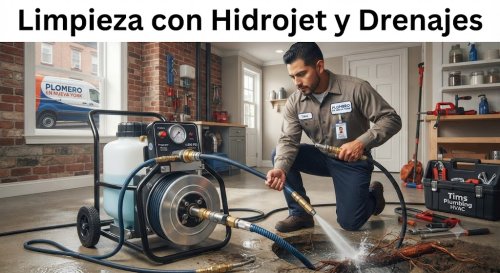
Tree roots naturally seek out these persistent moisture sources. Once roots penetrate a pipe, they expand rapidly, completely blocking flow and putting outward pressure on the pipe walls until a major rupture or leak occurs.
Corrosive High Humidity and Subfloor Condensation
The climate in New Orleans is notoriously humid, creating persistent moisture issues in poorly ventilated crawlspaces, wall cavities, and attics. When cold water supply lines run through these hot, humid zones, condensation forms heavily on the exterior of the pipes.
Over time, this constant moisture accelerates exterior corrosion on metallic pipes, rotting wooden subfloors, and encouraging wood-destroying insects that thrive in damp environments. Proper insulation and vapor barriers are essential preventative measures for historic properties.
Outdated Fixtures and Compromised Joint Seals
Historic bathrooms and kitchens often retain vintage or antique fixtures, brass supply stops, and threaded pipe connections that rely on deteriorating packing nuts, leather washers, and old plumber's putty. Constant thermal expansion and contraction over generations cause these seals to fail, resulting in slow, insidious cabinet leaks and behind-the-wall drips that go unnoticed until water stains appear on plaster walls or ceilings.
Protecting Your Historic Property
Early detection is vital for minimizing the impact of hidden water leaks in older New Orleans properties. Routine visual inspections of exposed pipes, monitoring your monthly water bills for unexplained spikes, and scheduling professional leak detection services can catch minor issues before they escalate into major emergencies. Maintaining the plumbing integrity of a historic home preserves its value and ensures it remains structurally sound for generations to come.