Common Causes of Low Water Pressure in Older New Orleans Homes
Discover why older New Orleans homes experience low water pressure. Learn about common plumbing culprits like corrosion, sediment buildup, and local infrastructure.

Living in a historic home in neighborhoods like the French Quarter, Faubourg Marigny, or Uptown New Orleans offers unmatched architectural charm. However, these older properties often come with aging plumbing systems that can introduce frustrating household problems. Among the most common complaints from local property owners is a noticeable drop in flow rate. Understanding why older New Orleans homes experience low water pressure requires looking at both historic piping materials and local environmental factors.
The Legacy of Galvanized Steel Pipes
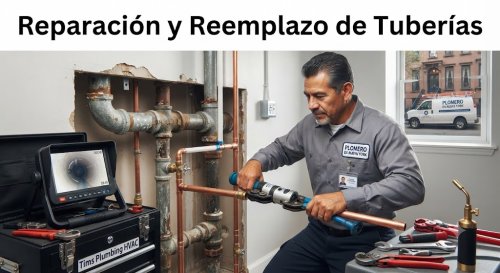
Many older residences in the area were originally plumbed with galvanized steel pipes. Over decades of continuous use, these iron pipes undergo internal chemical reactions. Minerals present in the water supply react with the zinc coating and the underlying steel, causing rust and mineral deposits to build up inside the pipe walls.
As this internal scaling thickens year after year, the actual interior diameter of the pipe shrinks significantly. While a pipe might look structurally sound from the outside, its inner pathway can become choked down to a fraction of its original size. This restriction severely chokes water flow, resulting in weak showers, sluggish faucets, and appliances that struggle to fill properly.
Mineral Buildup and Hard Water Impacts
Water chemistry plays a major role in residential plumbing performance. Over time, mineral deposits accumulate not just inside supply lines, but also within plumbing fixtures, aerators, and shut-off valves. Calcium and lime scale build up rapidly inside faucet aerators and showerheads, creating a localized drop in pressure that mimics a whole-house issue.
Furthermore, older water heaters can accumulate heavy sediment layers at the bottom of the tank. If this sediment finds its way into hot water lines or clogs the appliance's outlet nipple, hot water pressure throughout the house will drop dramatically while cold water pressure remains relatively normal.
Hidden Leaks in Aging Infrastructure
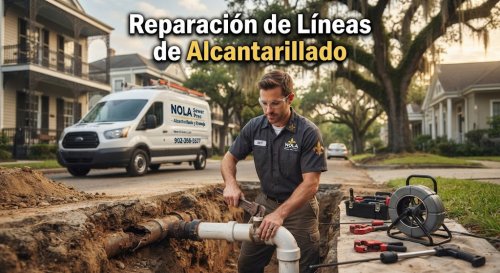
New Orleans is famous for its unique soil conditions, characterized by high moisture content and shifting clay layers. Older homes resting on pier-and-beam foundations or concrete slabs experience continuous ground movement. This shifting can stress aging supply lines, leading to slow, hidden pinhole leaks or joint separations.
When a pipe is leaking underground or behind a wall, a portion of the water escaping the system never makes it to your fixtures. This loss of volume and pressure affects the entire property. Property owners often notice a sudden or gradual drop in flow alongside unexplained increases in their municipal water bills.
Pressure Regulator Malfunctions
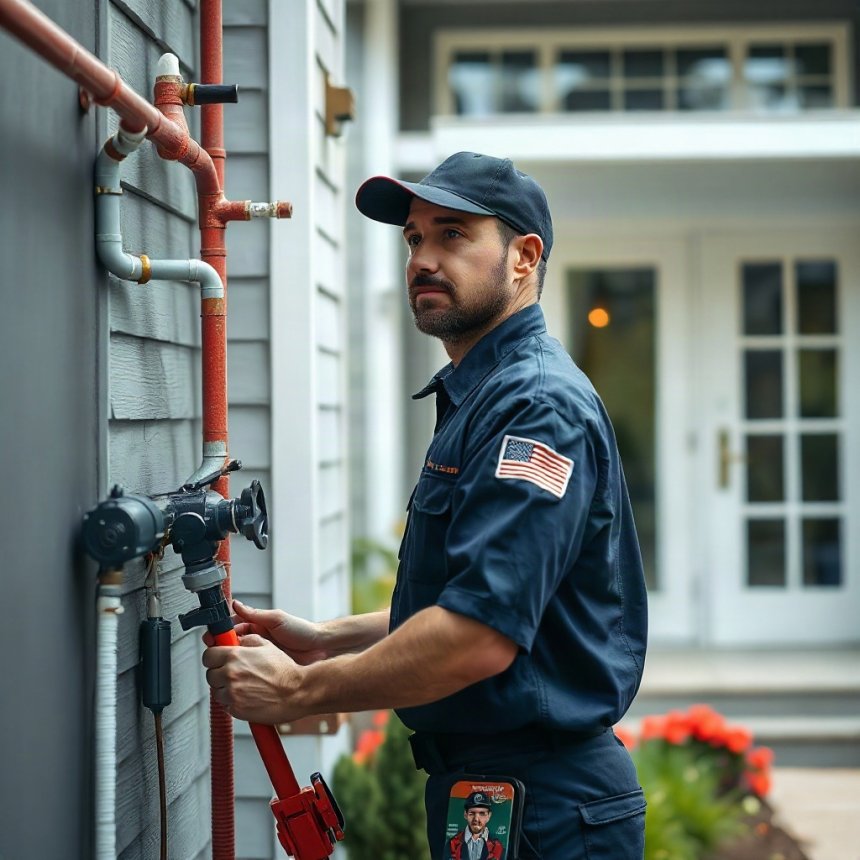
Many residential properties utilize a pressure reducing valve (PRV) where the main water line enters the house. Over time, the internal springs and seals inside these regulators wear out or become fouled with mineral debris. When a PRV fails, it can become stuck in a restricted position, cutting down the incoming pressure from the municipal supply before the water even reaches your indoor plumbing fixtures.
Evaluating and Addressing Low Pressure
Diagnosing low water pressure in a historic home requires a systematic approach:
- Check individual fixtures: Unscrew faucet aerators and showerheads to see if trapped debris or scale is the sole culprit.
- Inspect the main shut-off valve: Ensure the primary water supply valve is fully open and unobstructed.
- Monitor behavior: Determine whether the low pressure affects only hot water, only specific rooms, or the entire house simultaneously.
If cleaning fixtures does not resolve the issue, or if your home still utilizes original galvanized steel piping, a professional evaluation by a qualified New Orleans plumbing contractor can pinpoint whether localized repairs, fixture replacements, or a comprehensive repiping project is necessary to restore proper flow.
Frequently Asked Questions
Why is low water pressure more common in historic New Orleans homes?
Historic properties frequently contain decades-old galvanized steel or aging copper piping that suffers from severe internal corrosion, scale buildup, and narrowing inner diameters, which naturally restricts water flow.
How can I tell if my low water pressure is localized or whole-house?
Turn on multiple faucets and showers simultaneously throughout the property. If only one faucet has weak flow, the issue is likely a clogged aerator or localized valve. If every fixture experiences a drop in pressure, the problem stems from the main supply line, a failing pressure regulator, or whole-house pipe scaling.
Can shifting soil in New Orleans cause low water pressure?
Yes. The shifting, moisture-dense soils typical of the region can stress underground water supply lines, causing minor breaks or joint leaks that reduce overall water volume and pressure inside the home.