Emergency Plumber in Kenner: Pipe Freezing & Bursts
Facing a frozen or burst pipe in Kenner, Louisiana? Learn emergency response steps, repair costs, causes, and how to hire a local plumber.
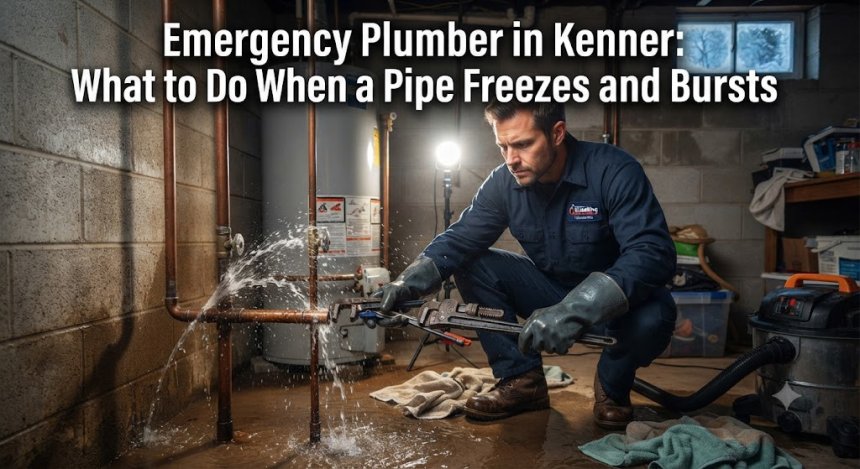
Emergency Plumber in Kenner: What to Do When a Pipe Freezes and Bursts
Facing a sudden plumbing emergency can completely disorient any property owner, particularly when plunging winter temperatures catch southern infrastructure off guard. Homeowners and business owners across Kenner, Metairie, River Ridge, and the greater Jefferson Parish area frequently overlook the vulnerability of their plumbing until an unexpected cold snap strikes. When a frozen pipe expands and ruptures, hundreds of gallons of pressurized water can flood your floors, saturate insulation, and ruin antique furnishings within minutes. Knowing how to secure an emergency plumber in Kenner is essential for mitigating catastrophic property loss and protecting your investment. Immediate action stops structural undermining and hazardous mold growth, which is why locals search for professional guidance before a crisis escalates.
What Is a Frozen and Burst Pipe?
A frozen and burst pipe occurs when water inside a plumbing line drops below freezing temperatures, turns into ice, expands, and exerts immense pressure that cracks or splits the pipe wall.
-
Definition: A structural failure of a water supply line caused by ice expansion, resulting in massive leaks when the ice thaws.
-
Common Situations: Uninsulated exterior walls, crawlspaces, or attic supply lines freezing solid overnight during an uncharacteristic Louisiana freeze.
-
Symptoms: Complete loss of water flow from a specific faucet, frost visible on exposed pipes, strange bulging along pipe sections, and sudden rushing water sounds when a thaw begins.
-
Examples: A homeowner waking up during a hard freeze in Kenner to find zero water running from the kitchen tap, followed by an indoor flood as the ice plug melts behind the drywall.
Why Does This Plumbing Problem Happen?
Understanding the root mechanics of pipe freezing helps property owners safeguard their systems before winter temperatures plunge.
-
Aging Pipes: Old galvanized steel or brittle plastic lines lose structural resilience, making them highly susceptible to freeze-pressure cracks.
-
Corrosion: Internal thinning from scale and rust creates weak structural spots that blow out easily under ice expansion.
-
Tree Roots: While less direct for indoor lines, outdoor supply lines compromised by roots trap water and freeze faster.
-
Hard Water: Mineral deposits restrict internal diameters, increasing vulnerability to rapid ice blockages.
-
High Water Pressure: Excessive psi places constant stress on pipe walls, compounding the structural strain of freezing water.
-
Improper Installation: Pipes routed through exterior walls, unconditioned crawlspaces, or uninsulated attics without adequate protective wrapping.
-
Poor Maintenance: Failing to disconnect garden hoses or winterize outdoor spigots before freezing weather arrives.
-
Seasonal Weather: Rapidly dropping temperatures paired with high Gulf humidity catching southern properties uninsulated.
-
Frozen Pipes: The direct physical state change of standing water turning into expanding ice blocks.
-
Clogs: Partial debris blocks that trap water, allowing it to freeze solid in localized pockets.
-
Sewer Backups: Secondary issues where cold weather compounds slow, freezing drainage lines.
-
Worn Plumbing Fixtures: Old valves and supply tubes that fail to seal properly under thermal contraction.
Signs You Should Never Ignore
Recognizing early warning signs gives you a critical window to prevent a full-scale pipe rupture.
-
Water Stains: Discoloration on ceilings or walls pointing to slow weep leaks from micro-fractured lines.
-
Slow Drains: Though often linked to clogs, freezing weather can cause sluggish drainage in semi-frozen traps.
-
Low Water Pressure: A sudden reduction in flow at specific taps indicating an ice blockage forming upstream.
-
High Water Bills: Unexplained meter movement signalling continuous water loss from a hidden split pipe.
-
Damp Walls: Moisture soaking through drywall near exterior-facing plumbing runs.
-
Mold Growth: Musty odors or damp patches appearing shortly after a minor thaw event.
-
Strange Noises: Banging, whistling, or groaning sounds as water pushes against ice restrictions.
-
Bad Smells: Unpleasant odors trapped by frozen or sluggish waste venting.
-
Standing Water: Unexplained puddles forming indoors or around exterior foundation walls.
-
Discolored Water: Rusty or murky water emerging after a partial ice plug breaks free.
Common Plumbing Problems Related to This Issue
A burst pipe event frequently triggers or accompanies several secondary household plumbing challenges.
-
Pipe leaks: Micro-splits expanding into full-bore water gushes once thawed.
-
Drain clogs: Excess water overwhelming waste lines during emergency shutdowns.
-
Sewer backups: Saturated ground and pressure shocks stressing adjacent sewer laterals.
-
Water heater failures: Tank components damaged by sudden pressure drops or starvation.
-
Burst pipes: Multiple indoor lines splitting simultaneously across unheated zones.
-
Slab leaks: Sub-foundation supply lines cracking under freeze-thaw soil movements.
-
Fixture damage: Ruined faucets, valve stems, and water-logged cabinetry.
Step-by-Step Professional Repair Process
When a licensed plumber responds to a burst pipe emergency, they execute a disciplined, multi-step repair protocol.
-
Step 1 Inspection: Locate the main water shutoff valve, assess the extent of flooding, and inspect affected wall cavities.
-
Step 2 Diagnosis: Utilize electronic moisture meters and thermal imaging to trace hidden frozen or ruptured pipe runs.
-
Step 3 Estimate: Provide a transparent, written cost breakdown detailing labor, material replacement, and restoration timelines.
-
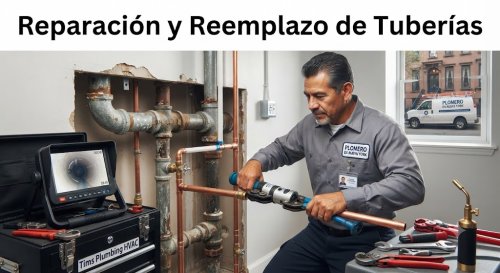
Step 4 Repair: Safely cut out damaged pipe sections, thaw surrounding lines using professional equipment, and install durable PEX or copper replacements.
-
Step 5 Testing: Re-pressurize the plumbing system gradually and perform rigorous pressure drop tests to verify absolute watertight integrity.
-
Step 6 Cleanup: Remove standing water debris, sanitize affected work zones, and ensure the area is safe.
-
Step 7 Maintenance Advice: Offer professional recommendations on pipe insulation, heat tape installation, and winterization strategies.
Can You Fix It Yourself?
Frozen and burst pipes are high-stress emergencies that require professional tools and expertise rather than risky DIY measures.
-
Safe DIY Solutions: Immediately locating and closing the main water shutoff valve to stop active flooding.
-
Temporary Fixes: Applying rubber patch clamps or wrapping tape can temporarily slow minor cracks, though frozen sections must be thawed cautiously.
-
What Homeowners Can Safely Do: Open cabinet doors under sinks to let warm indoor air circulate, and use a hair dryer on low heat for safely accessible frozen pipes.
-
When DIY Becomes Dangerous: Using open flames, propane torches, or high-wattage heat guns to thaw pipes inside walls creates an extreme fire hazard.
-
When Professional Plumbing is Necessary: Any major pipe burst hidden behind drywall, beneath slabs, or near electrical wiring requires certified plumbing intervention.
Tools Professionals Use
Professional plumbing companies rely on specialized diagnostic and repair equipment to resolve freeze damage accurately.
-
Drain Cameras: Push-rod scopes used to inspect interior pipe walls where applicable.
-
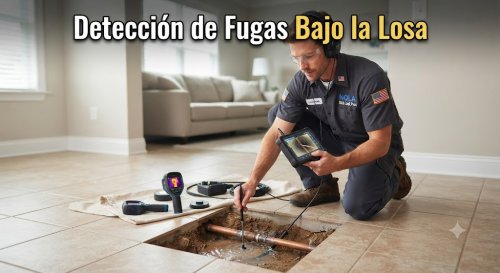
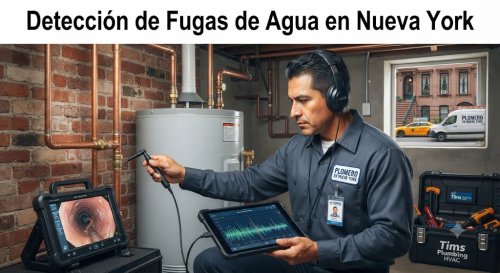
Leak Detection Equipment: Acoustic sensors and thermal imaging cameras that locate hidden pipe breaks behind walls without destructive demolition.
-
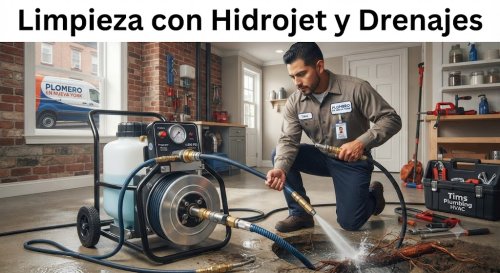
Hydro Jetting: High-pressure water tools utilized if secondary blockages occur.
-
Pipe Locators: Radio transmitters used to map exact pipe runs beneath floors and yards.
-
Pressure Testing Gauges: Precision dials used to verify system holding capacity post-repair.
-
Pipe Inspection Cameras: Advanced optic scopes for detailed joint analysis.
-
Trenchless Equipment: Advanced repair gear for fixing underground supply lines without major excavation.
How Long Does the Repair Usually Take?
-
Simple repairs: 1 to 2 hours for thawing an accessible frozen section or replacing a single split supply tube.
-
Moderate repairs: 3 to 5 hours for cutting into drywall and replacing a ruptured pipe section.
-
Major repairs: 1 to 2 days for extensive re-piping of multiple frozen lines or repairing major manifold breaks.
-
Emergency repairs: Immediate shutoff and containment take minutes, with full permanent repairs finished same-day whenever possible.
-
Factors Affecting Repair Time: Accessibility of the frozen pipe, extent of water damage, insulation requirements, and structural wall repairs needed.
Cost Factors
Plumbing repair costs vary depending on the severity of the problem, accessibility, materials required, emergency service, property type, and local labor rates.
-
Diagnostic fees: Flat-rate charges for dispatching a technician and locating hidden bursts.
-
Parts: Cost of durable PEX tubing, copper fittings, and insulation materials.
-
Labor: Certified technician hours required for cutting, soldering, and system testing.
-
Emergency service charges: Premium rates for after-hours, holiday, or freezing weather dispatches.
-
Equipment needed: Specialized deployment of thermal cameras or pipe thawing machines.
-
Permit costs: Municipal fees required for major plumbing overhauls if applicable.
-
Replacement vs repair: Spot patching versus updating an entire vulnerable supply run.
-
Accessibility of pipes: Extra labor required if burst lines are located in tight crawlspaces, attics, or behind custom cabinetry.
Hidden Truths Homeowners Should Know
-
Small frozen sections quickly turn into expensive structural pipe bursts if ignored.
-
Cheap temporary tape patches invariably fail once system water pressure returns to full capacity.
-
Homeowners insurance policies may deny claims if freeze damage results from documented negligence or vacant property neglect.
-
Exposed outdoor pipes will repeatedly freeze every winter until properly insulated or buried at correct depths.
-
Hard water scale accelerates internal pipe degradation, making lines more prone to cracking under pressure.
-
DIY thawing mistakes like using torches drastically increase fire risks and property damage costs.
-
Delaying professional repairs causes wood rot, ruined drywall, and extensive structural sagging.
-
Hidden micro-cracks drive up monthly utility bills through continuous slow leakage.
-
Mold develops rapidly in damp Louisiana humidity, blooming within 24 hours of water exposure.
-
Annual winterization maintenance saves thousands of dollars in emergency repair and restoration fees.
15 Common Mistakes Homeowners Make
-
Ignoring weather warnings: Failing to prepare plumbing before an incoming freeze.
-
Using open flames to thaw pipes: Triggering devastating residential fires with blowtorches.
-
Leaving garden hoses attached: Allowing trapped water to freeze back into indoor wall lines.
-
Failing to locate shutoff valves: Panicking during a burst because the main valve is unknown.
-
Skipping pipe insulation: Leaving exterior wall pipes unprotected against cold drafts.
-
Hiring unlicensed handymen: Risking substandard repairs that fail under pressure.
-
Skipping seasonal maintenance: Neglecting pre-winter plumbing checkups.
-
Waiting until emergencies: Delaying action until pipes completely rupture.
-
Using wrong pipe materials: Mixing incompatible metals or unrated plastics.
-
Over-tightening fittings: Cracking threaded connectors during emergency valve installations.
-
Keeping homes too cold: Turning off heat entirely while traveling during winter months.
-
Neglecting crawlspace vents: Leaving foundation vents open to freezing winter winds.
-
Forgetting outdoor backflow preventers: Leaving irrigation systems uninsulated.
-
Delaying drywall repairs: Trapping moisture behind walls and encouraging mold growth.
-
Not checking meter dials: Overlooking slow meter movement that indicates hidden post-freeze leaks.
Maintenance Tips
-
Insulate all exposed pipes located in unheated areas like attics, crawlspaces, and exterior walls.
-
Disconnect and drain all garden hoses before freezing weather hits the region.
-
Shut off and drain exterior hose bibs or install insulated faucet covers.
-
Keep cabinet doors under kitchen and bathroom sinks open during severe freezes to allow warm indoor air to circulate.
-
Let indoor faucets drip very slowly during extreme freezing nights to keep water moving.
-
Maintain a consistent indoor thermostat temperature day and night during cold snaps.
-
Know the exact location of your main water shutoff valve and test it annually.
-
Seal cracks and drafts in exterior walls near plumbing entry points.
-
Schedule a professional plumbing inspection before winter weather arrives.
-
Keep emergency plumber contact numbers saved in your mobile phone.
-
Insulate backflow preventers and outdoor irrigation lines properly.
-
Clear debris from crawlspace vents during mild months, but secure them tightly before freezes.
-
Monitor monthly water bills for unexplained consumption spikes following cold weather.
-
Use heat tape approved by safety standards on vulnerable exposed pipes.
-
Educate all household members on how to shut off the main water supply quickly.
When Should You Call an Emergency Plumber?
-
Burst pipes: High-volume water spraying uncontrollably inside living areas or wall cavities.
-
Sewage backup: Contaminated wastewater flooding upward due to frozen or blocked lines.
-
No running water: Complete loss of water supply during freezing weather pointing to frozen mains.
-
Overflowing toilet: A bowl rising uncontrollably despite shutting off the fixture valve.
-
Gas line concerns: Smelling sulfur or rotten eggs near gas-powered water heaters.
-
Major water leaks: Uncontrolled flooding from broken supply pipes.
-
Flooding: Standing water accumulating rapidly from major plumbing failures.
Frequently Asked Questions
-
Why is my water pressure suddenly low? Sudden pressure drops during cold weather usually indicate an ice blockage forming inside a supply pipe or a frozen pressure-reducing valve.
-
How much does leak detection cost? Costs vary based on property layout and equipment required, but professional electronic detection provides precise results to minimize drywall damage.
-
Can a frozen pipe thaw on its own without bursting? Yes, if thawed gently, but many pipes crack under the ice pressure and will leak as soon as the ice plug melts completely.
-
Is it safe to use a hair dryer on frozen pipes? Yes, using a hair dryer on a low, warm setting is a safe DIY method for accessible pipes, provided you avoid standing water.
-
How do I know where my main water shutoff is? The main valve is typically located near the water meter, where the service line enters the house through a crawlspace, basement, or utility wall.
-
How long do water heaters last? Standard tank water heaters generally last between 8 to 12 years with proper annual maintenance and sediment flushing.
-
Why does my faucet drip? Dripping faucets usually stem from worn-out internal washers, O-rings, or valve seats worn down by mineral deposits.
-
What causes pipes to burst in winter? Pipes burst because freezing water expands by about 9%, generating immense hydraulic pressure that splits metal and plastic pipe walls.
-
Can plumbing leaks increase my water bill? Even a small hidden split pipe can waste hundreds of gallons daily, driving up municipal utility bills significantly.
-
When should I replace plumbing instead of repairing it? If your home has heavily corroded pipes or experiences multiple freeze breaks, a full-scale repipe is safer and more cost-effective.