Common Causes of Low Water Pressure in New Orleans Historic Homes
Discover why low water pressure affects historic homes in New Orleans, from aging galvanized pipes to mineral buildup, and learn how local plumbers resolve it.


Living in a historic New Orleans home—whether it is a classic shotgun in the Marigny, a center-hall cottage in Uptown, or a Creole townhouse in the French Quarter—comes with incredible architectural charm. However, maintaining these centuries-old properties presents unique plumbing challenges. One of the most frequent complaints homeowners bring to a plumber in New Orleans is a sudden or gradual drop in water pressure. When your morning shower turns into a disappointing trickle, it is rarely just an annoyance; it is often a sign of aging infrastructure reacting to local environmental conditions.
Aging Galvanized Steel Pipes and Internal Corrosion
Many historic properties in New Orleans still retain portions of their original plumbing systems, or underwent renovations decades ago utilizing galvanized steel piping. Over many years of service, galvanized pipes undergo a chemical reaction with water, leading to internal rust and mineral scale accumulation.
As layers of corrosion build up inside the pipe walls, the interior diameter shrinks significantly. This constriction chokes down the volume and velocity of water traveling to your faucets, showers, and appliances. Because this buildup happens uniformly across older pipe runs, homeowners usually notice a progressive decline in water pressure across multiple fixtures rather than just a single isolated sink.
Mineral Buildup and Hard Water Effects
While New Orleans municipal water is treated, older service lines and legacy interior plumbing fixtures frequently trap sediment and mineral deposits. Aerators on historic brass faucets and showerheads are especially prone to catching fine debris, rust flakes, and calcium scale. When these small screens become completely blocked, water flow drops dramatically at that specific outlet. Cleaning or replacing aerators is often a quick diagnostic step, but if the blockage originates further back in the supply lines, professional intervention is required.
Concealed Leaks in Aging Foundation Systems
New Orleans features a high water table and unique soil composition, ranging from soft alluvial silt to heavy clay. Many historic homes are built on raised brick piers, while others sit on older slab foundations or grade beams. Shifting soils and settling foundations can place immense stress on aging supply lines running beneath or through the structure.
When a pressurized water line develops a small split or pinhole leak, a portion of the water escaping into the ground or under the subfloor depresses the overall dynamic pressure throughout the rest of the house. If you notice your water meter spinning when all indoor taps are completely shut off, a hidden supply line leak is a likely culprit.
Municipal Supply Fluctuations and Older Meter Connections
Sometimes the issue originates outside your property line. The Sewerage and Water Board of New Orleans (SWBNO) manages a vast network of aging underground water mains throughout the city. Neighborhood infrastructure updates, main breaks, or partial valve closures by utility crews can temporarily restrict flow to specific blocks. Additionally, older properties often feature undersized main service connections—such as outdated three-quarter-inch or half-inch lines—that struggle to meet the demands of modern bathroom renovations and high-efficiency appliances.
Diagnostic and Repair Considerations
Resolving low water pressure in a historic New Orleans home requires a methodical approach that respects the structural integrity of the property:
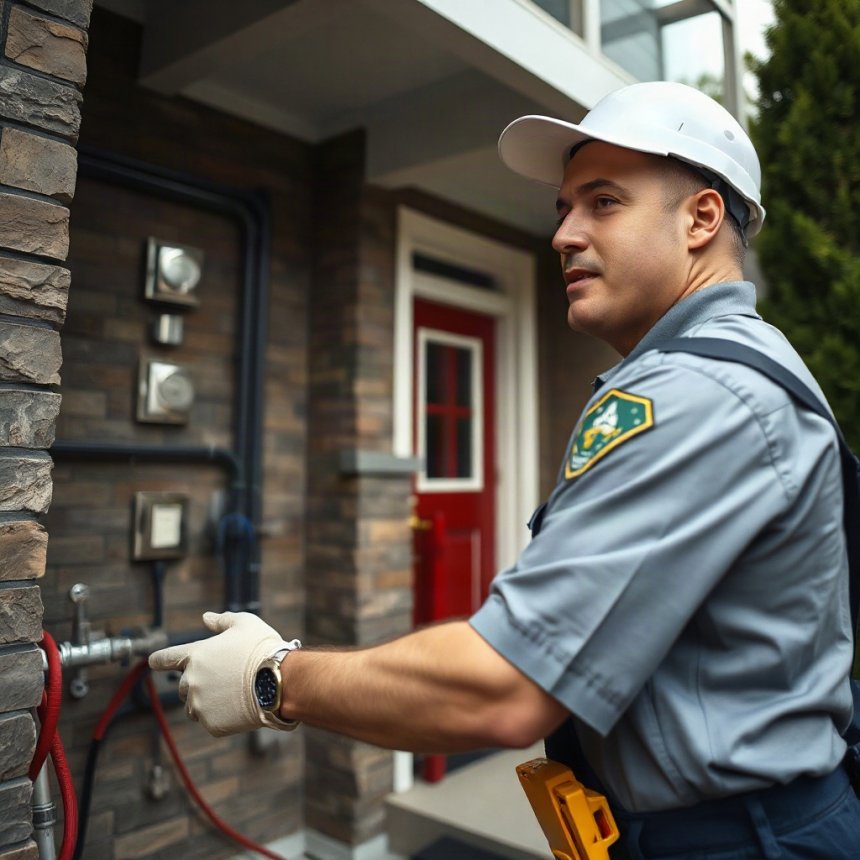
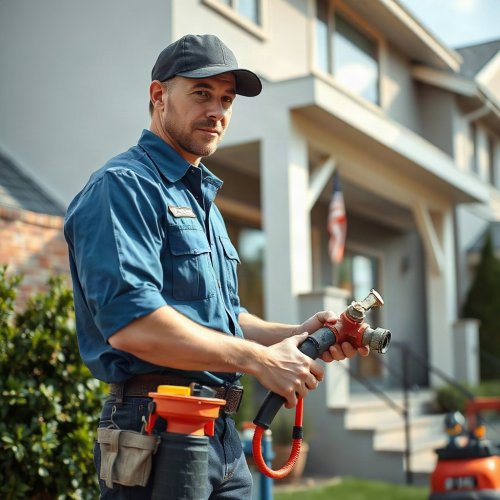
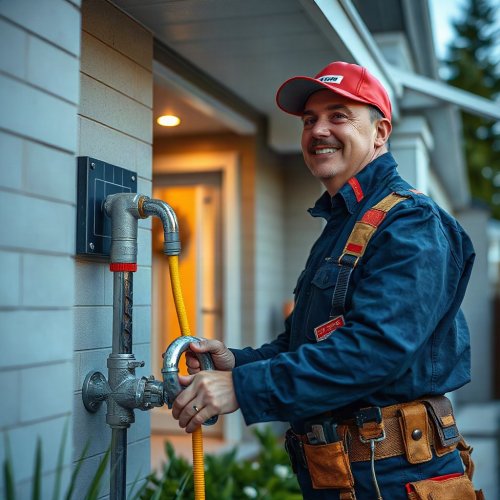
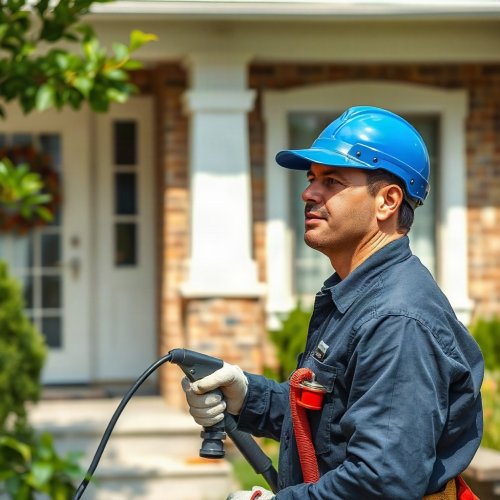
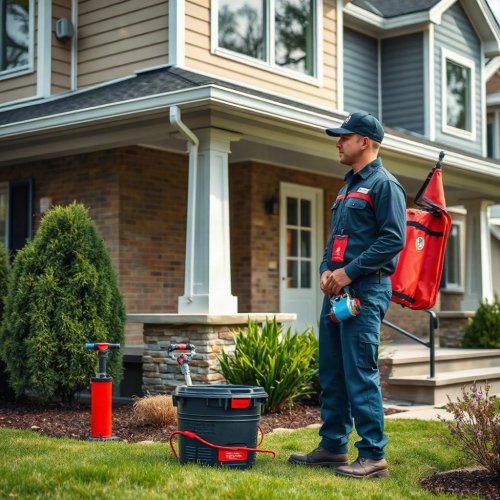
- Pressure Testing: A professional plumber attaches a gauge to an exterior hose bib or laundry sink to measure static and dynamic water pressure accurately.
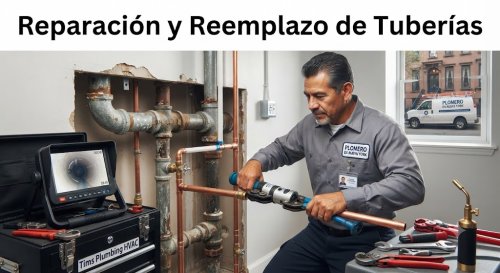
- Targeted Pipe Replacement: Sections of heavily corroded galvanized piping are often repiped using modern, durable materials like PEX or copper to restore full flow capacity.
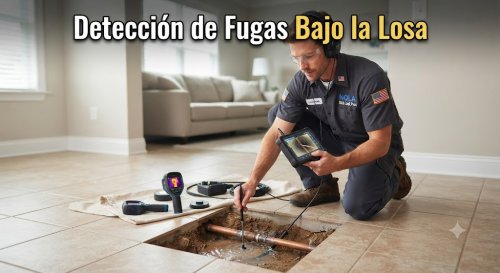
- Leak Detection: Specialized acoustic equipment and thermal imaging help pinpoint underground or behind-the-wall leaks without tearing up historic plaster or flooring unnecessarily.
Frequently Asked Questions
Is low water pressure in a historic New Orleans home dangerous?
While it is primarily a frustrating inconvenience, low water pressure caused by severe pipe corrosion can lead to sudden pipe failure, leaks, and water damage. Furthermore, very low pressure can sometimes indicate a compromised main line that risks drawing contaminants into your system if backflow preventers fail.
Should I replace all my historic pipes at once?
Not necessarily. An experienced New Orleans plumber can inspect your system to determine whether the pressure drop is isolated to specific branch lines, faulty valves, or if a whole-house repipe is genuinely necessary to protect your home.
Can high municipal water pressure damage my home?
Yes. While low pressure is common, pressure spikes from municipal lines can also stress older joints and fixtures. Installing a pressure-reducing valve (PRV) helps stabilize internal pressure and safeguards fragile historic plumbing networks.