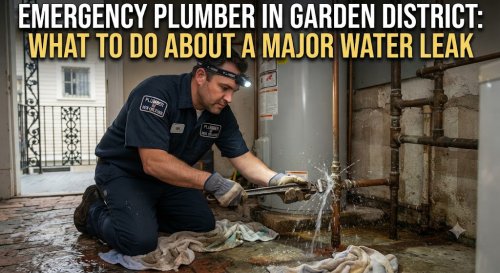
Common Causes of Low Water Pressure in New Orleans Historic Homes
Discover why historic homes in New Orleans experience low water pressure, from aging galvanized pipes to mineral buildup, and learn how to address it.

Owning a historic home in neighborhoods like the French Quarter, Faubourg Marigny, or Uptown New Orleans offers unmatched architectural charm. However, maintaining the plumbing systems within century-old properties presents a unique set of challenges. One of the most frequent complaints homeowners bring to a New Orleans plumber is a sudden or gradual drop in water flow. Dealing with low water pressure in a historic house requires understanding how older materials age, how local water conditions affect plumbing, and what specific steps can safely restore optimal performance without compromising architectural integrity.
Aging Galvanized Steel Pipes and Internal Corrosion
Many older residences throughout the city still retain portions of their original plumbing infrastructure, which frequently includes galvanized steel supply lines. Over decades of service, these pipes undergo a chemical reaction with moisture and minerals. Zinc coatings erode, and iron oxidation builds up inside the pipe walls, drastically narrowing the interior diameter. This restriction chokes water volume long before it reaches your bathroom or kitchen fixtures. When evaluating low water pressure in older properties, inspecting the condition of visible basement, crawlspace, or attic piping is often the first critical step.
Mineral Accumulation and Sediment Buildup
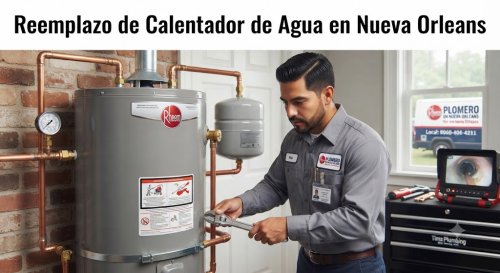
The municipal water supply distributed across the area carries naturally occurring minerals and sediments. Over many years, these particles settle and adhere to the inner surfaces of pipes, valves, and fixtures. Aerators on kitchen and bathroom sinks frequently collect fine debris, acting as a physical barrier that weakens the stream. Similarly, sediment accumulation inside older water heaters can impede the flow of hot water throughout the house, making pressure issues feel isolated to specific taps or appliances.
Outdated Shut-Off Valves and Pressure Regulators
Historic plumbing layouts often feature gate valves or aging main shut-off mechanisms that degrade internally over time. If a gate valve's internal wedge slips or fails to fully retract, it will continuously restrict water flow into the home. Additionally, modern municipal supply lines deliver water at varying pressures, requiring pressure reducing valves (PRVs). If an older home has a failing PRV or one that was improperly adjusted during past renovations, household water pressure can drop significantly or fluctuate wildly.
Hidden Leaks in Aging Sub-Slab or Wall Piping
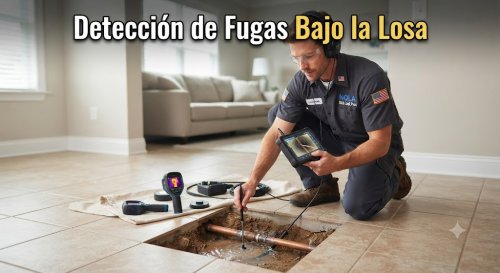
New Orleans' unique subterranean conditions—characterized by high water tables and shifting alluvial soils—put continuous stress on underground and hidden plumbing lines. In older structures, shifting foundations or ground movement can cause hairline fractures, loose joints, or pinhole leaks in aging supply pipes. When water escapes through a hidden breach, the remaining volume traveling to your fixtures drops, resulting in noticeably weaker flow at your faucets and showers.
Solutions and Modern Retrofitting for Historic Properties
Resolving low water pressure in a heritage home demands a careful balance between modern plumbing standards and historic preservation. Experienced plumbing professionals approach these projects with specialized techniques:
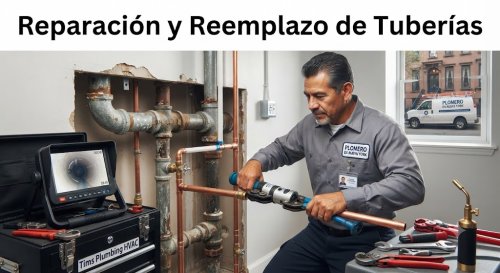
- Targeted Pipe Replacement: Swapping out corroded galvanized sections with modern PEX or copper piping while minimizing disruption to historic lathe, plaster, or woodwork.
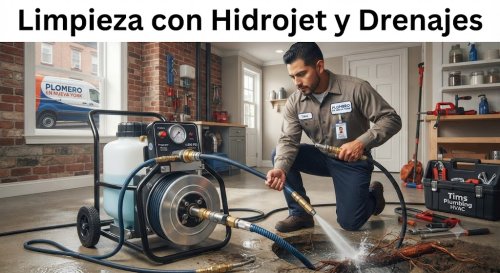
- Fixture Maintenance: Cleaning or replacing clogged sink aerators and showerheads to immediately improve local flow rates.
- Valve and PRV Upgrades: Replacing outdated gate valves with smooth-operating ball valves and installing or recalibrating modern pressure reducing valves.
- Leak Detection Diagnostics: Utilizing non-invasive electronic leak detection equipment to pinpoint hidden breaches beneath floors or inside historical walls.
Frequently Asked Questions
Why is low water pressure worse when I use both the shower and the kitchen sink?
When multiple fixtures draw water simultaneously, your system's total capacity is divided. If your pipes have narrowed due to internal corrosion or sediment buildup, the restricted flow cannot adequately supply multiple outlets at once, causing a noticeable drop in pressure.
Are older New Orleans homes more prone to low water pressure than newer builds?
Yes. Properties built decades ago frequently rely on materials like galvanized steel that naturally degrade and narrow over time. Newer constructions utilize durable materials like PEX and rigid copper that maintain their interior diameter and smooth flow characteristics.
Can I fix low water pressure by myself, or do I need a professional?
Simple issues like cleaning a calcified faucet aerator can be handled independently. However, if the pressure drop stems from internal pipe corrosion, failing valves, or hidden leaks behind historic walls, professional intervention is necessary to prevent structural damage.