Why Does My New Orleans Historic Home Have Low Water Pressure?
Discover the most common causes of low water pressure in New Orleans historic homes, from aging galvanized pipes to Louisiana mineral buildup, and learn how to fix them.

Living the Historic New Orleans Dream—With a Water Pressure Headache
Owning a historic home in neighborhoods like the French Quarter, Faubourg Marigny, or Uptown New Orleans offers unmatched architectural character. High ceilings, intricate millwork, and century-old brick tell a story of a bygone era. However, living with 19th- or early 20th-century plumbing infrastructure often brings a frustrating modern reality: miserably low water pressure. When you turn on your shower and get a weak trickle instead of a steady stream, daily routines like washing dishes or taking a comfortable shower become daily chores.
As a plumbing professional working across the Crescent City for two decades, I have diagnosed low water pressure in everything from raised Creole cottages to classic shotgun houses. Because local homes feature unique structural layouts and aging materials, solving a pressure problem requires looking closely at how historic New Orleans plumbing systems interact with modern municipal supply lines.
The Culprit in Older Walls: Galvanized Steel Pipe Corrosion
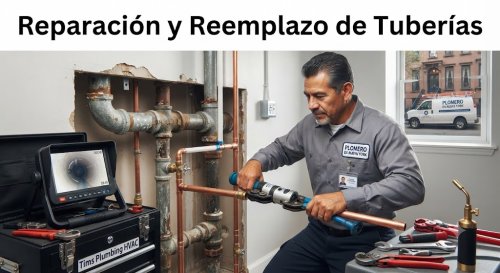
The single most frequent cause of low water pressure in older New Orleans houses is the presence of legacy galvanized steel supply piping. Many homes built before the mid-20th century were originally plumbed with galvanized iron or steel pipes. Over decades of service, these pipes undergo a slow internal chemical reaction.
Minerals and rust accumulate inside the pipe walls, choking the interior diameter down from a full three-quarters of an inch to a tiny straw-like opening. When multiple fixtures are used at once, the restricted pipe simply cannot deliver enough volume to maintain pressure. If your historic home still features exposed sections of gray, threaded steel pipe, internal corrosion is almost certainly choking your water flow.
Mineral Scale and Sediment Buildup
New Orleans water comes from the Mississippi River, and while municipal treatment facilities do an admirable job, the water carries natural sediments and mineral content. Over time, calcium and lime scale build up inside plumbing fixtures, shut-off valves, and aerators.
If you notice that low water pressure is isolated to a single bathroom sink or kitchen faucet, the problem is rarely deep in the walls. More often, the aerator screen at the tip of the faucet is clogged with grit and mineral deposits. Unscrewing the aerator and inspecting the mesh screen is a quick diagnostic step that often restores full pressure instantly.
Aging Pressure Regulators and Main Shut-Off Valves
Many property owners do not realize that municipal water pressure entering older neighborhoods can fluctuate. A pressure-reducing valve (PRV) is designed to control and stabilize the pressure coming from the city main into your home's private plumbing system.
When a PRV fails—often due to age or internal spring fatigue—it can become stuck in a restrictive position, drastically dropping the pressure across every tap in the house. Additionally, older gate valves used as main water shut-offs can degrade internally, where the internal wedge breaks loose and partially blocks water flow even when the handle is turned completely open.
Slab Leaks and Sub-Floor Pipe Damage
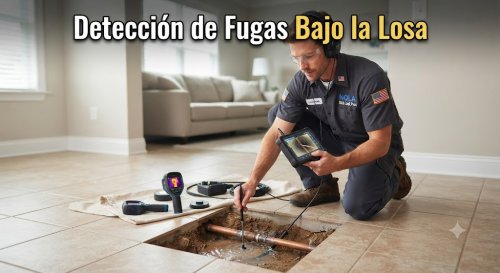
While many New Orleans historic homes sit on raised piers, others—especially mid-century additions or commercial conversions—feature concrete slab foundations. Ground shifting in saturated Louisiana soils can place stress on underground or sub-slab water supply lines.
A slow leak beneath a slab or behind a plaster wall does not just waste water; it causes an immediate drop in dynamic water pressure throughout the property. If your water meter spins continuously when every indoor fixture is turned off, a hidden pipe leak may be draining your pressure.
Diagnosing Your Pressure Drop
Before assuming you need a complete repipe, narrow down the scope of the problem:
- Check multiple fixtures: Does the pressure drop affect only one faucet, or every shower and sink in the house?
- Test outside taps: Check the hose bib connected directly to the main water supply line before it enters the house. If outdoor pressure is strong, your issue is likely interior pipe corrosion or clogged fixtures. If outdoor pressure is weak, the issue originates at the main service line, municipal meter, or pressure regulator.
- Consult neighbors: Ask if nearby properties are experiencing similar issues. Occasionally, municipal line maintenance or street-level infrastructure updates cause temporary area-wide pressure drops.
Modern Solutions for Historic Properties
Fixing low water pressure in a historic New Orleans home requires a delicate balance between modern plumbing performance and preserving historic finishes. Plumbers frequently use trenchless routing or carefully fish modern PEX or copper lines through existing wall cavities and crawlspaces to bypass corroded galvanized runs without tearing up historic plaster or flooring.
Upgrading old shut-off valves, installing a new pressure-reducing valve, or executing a targeted repipe can transform a frustratingly weak shower into a reliable, high-flow system while protecting the structural integrity of your treasured property.
Frequently Asked Questions
Why is my hot water pressure lower than my cold water pressure?
If only your hot water shows low pressure, the issue is typically located near or inside the water heater. Sediment buildup in the tank can restrict flow out of the unit, or a failing thermal expansion tank or inlet shut-off valve may be partially blocked.
Can I clean out corroded galvanized pipes instead of replacing them?
No. Once galvanized steel pipes corrode and rust from the inside out, chemical cleaners or mechanical snake methods cannot restore the interior wall. Replacement with modern PEX or copper piping is the only permanent solution.
Is low water pressure a sign of a hidden water leak?
It can be. If a major supply line is compromised and water is escaping into the soil or sub-floor structure, the system loses the backpressure required to deliver a steady stream at your fixtures.
Does New Orleans municipal water pressure vary by neighborhood?
Yes. Due to elevation differences, pumping station locations, and the age of municipal water mains throughout different historic districts, baseline pressure can vary significantly from one street to the next.