Common Causes of Low Water Pressure in Older New Orleans Homes
Discover why older New Orleans homes suffer from low water pressure. Learn about mineral buildup, corroded galvanized pipes, and local plumbing solutions.

Understanding Low Water Pressure in Historic New Orleans Properties
Walking through neighborhoods like the French Quarter, Faubourg Marigny, or Uptown New Orleans reveals stunning historic architecture. However, living in a home built a century or more ago comes with unique mechanical challenges. One of the most frequent complaints homeowners and property managers share is frustratingly low water pressure. Whether it is a sluggish showerhead on the second floor or a kitchen faucet that barely produces a steady stream, low water pressure can turn daily routines into daily chores.
Addressing low water pressure requires understanding how historic residential plumbing systems interact with modern water demands. Because older properties often feature aging infrastructure or past patchwork repairs, diagnosing a pressure drop takes a careful look at both interior piping and external municipal connections.
The Legacy of Galvanized Steel Pipes
One of the primary culprits behind low water pressure in older New Orleans houses is the presence of original galvanized steel supply lines. Decades ago, galvanized pipes were the industry standard. Unfortunately, they have a finite lifespan, typically lasting between 40 to 50 years.
As these steel pipes age, the zinc coating on the interior erodes. Once the protective layer disappears, the exposed steel begins to rust and corrode. Mineral deposits, rust flakes, and calcium buildup—accelerated by regional water conditions—accumulate inside the pipe diameter. Over time, this buildup chokes the interior pathway of the pipe, severely restricting water flow long before it ever reaches your bathroom or kitchen sink.
How to Identify Pipe Corrosion
- Water flow diminishes significantly when multiple fixtures are turned on simultaneously.
- Water displays a brownish or reddish tint for a few seconds after opening a tap that has been closed for hours.
- Exposed basement or crawlspace piping shows heavy external flaking, discoloration, or bulging joints.
Mineral Buildup and Sediment in Fixtures
Sometimes, the main water supply line is completely clear, but a single bathroom or kitchen fixture suffers from poor flow. Hard water minerals can deposit inside aerators, showerheads, and cartridge valves. In historic properties with older water heaters, sediment can also travel through the hot water lines and lodge inside faucet screens or mixing valves, reducing pressure exclusively on the hot water side.
Unscrewing a faucet aerator or showerhead and inspecting it for gritty white or yellowish buildup is a simple first step in isolating whether the restriction is localized at the fixture or buried within the wall.
Undetected Leaks in Aging Supply Lines
Subtle leaks can also masquerade as low water pressure. If a pipe has developed a pinhole leak behind a plaster wall, under a raised pier-and-beam foundation, or beneath concrete slab additions, the system loses overall pressure. In New Orleans, where many older homes feature raised foundations with crawlspaces, minor joint leaks or cracked supply lines can often go unnoticed until utility bills spike or water pressure drops noticeably.
Municipal Supply Factors and Pressure Regulators
Not every pressure issue originates inside the property lines. The Sewerage and Water Board of New Orleans manages a complex municipal water grid. Fluctuations in city main pressure, neighborhood infrastructure upgrades, or temporary street-level line repairs can temporarily reduce household pressure.
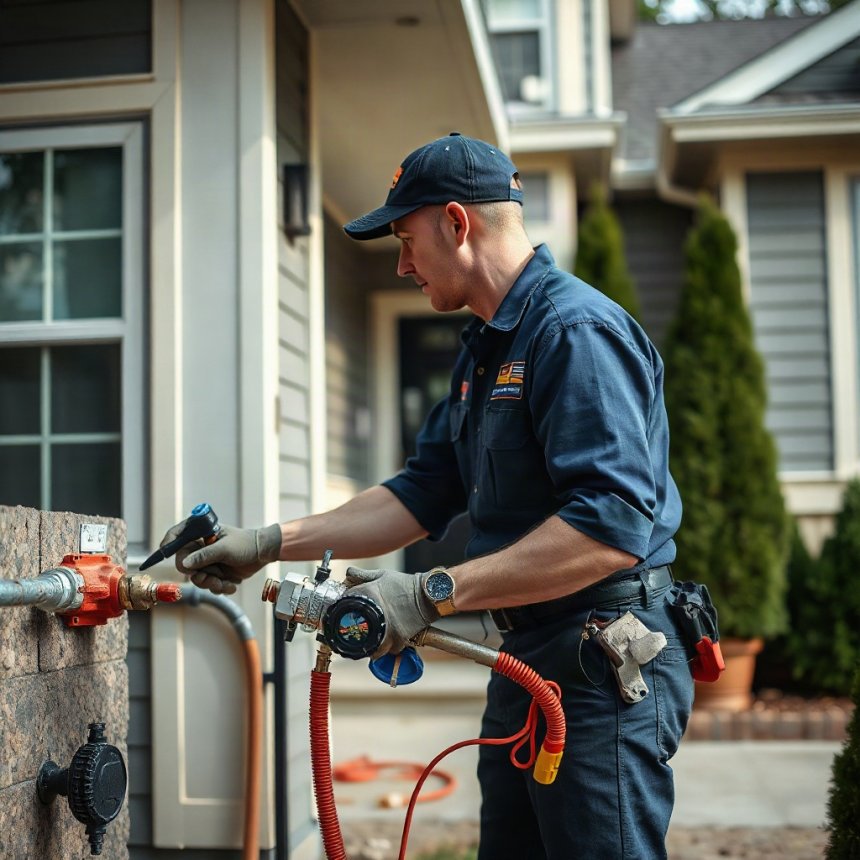
Additionally, many properties are equipped with a Pressure Reducing Valve (PRV) located near the main water shutoff. When a PRV fails or becomes clogged with debris, it can get stuck in a restricted position, cutting off the volume of water entering the home.
Practical Steps and Solutions for Homeowners
Resolving low water pressure depend entirely on the root cause:
- Fixture Cleaning: Soak aerators and showerheads in a mild vinegar solution to dissolve mineral deposits.
- PRV Inspection: Check if a pressure-reducing valve is installed and verify its operational status.
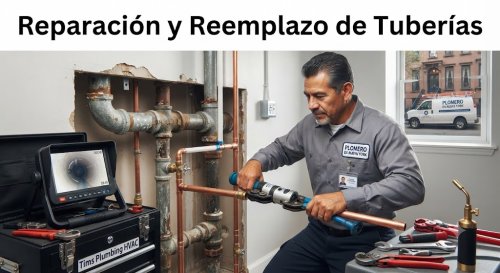
- Pipe Replacement: For homes still operating on heavily corroded galvanized steel, whole-house repiping using modern materials like PEX or copper is often the most effective long-term solution to restore full volume and pressure.
- Leak Checks: Monitor water meter dials when all indoor fixtures are off to ensure hidden leaks are not draining system pressure.
By understanding the unique vulnerabilities of historic plumbing systems, New Orleans property owners can take targeted action to maintain reliable water flow throughout their homes.
Frequently Asked Questions
Why is my hot water pressure lower than my cold water pressure?
If only your hot water side lacks pressure, the issue usually points to sediment buildup inside your water heater tank, a partially closed supply valve on the water heater, or mineral scale clogging the hot water lines and fixture mixing valves.
Can old water meters affect my home pressure?
Yes. If the municipal water meter or the main shutoff valve is partially closed or failing internally, it can restrict the volume of water entering your property, mimicking internal plumbing restrictions.
Is low water pressure always a sign of a major plumbing problem?
Not always. It can simply be a clogged faucet aerator or a temporary issue with the municipal supply. However, in older homes, persistent low pressure across multiple fixtures is frequently a warning sign of failing, corroded supply piping.