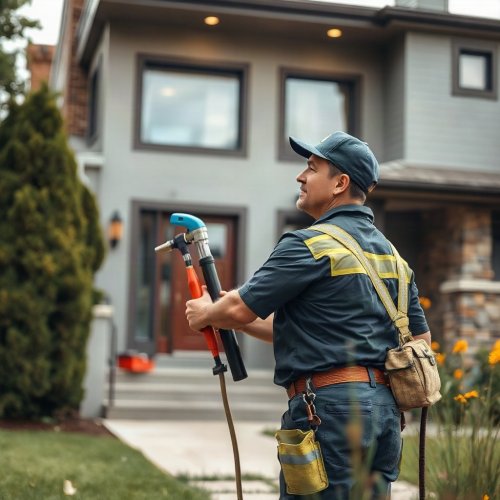
Common Causes of Low Water Pressure in Older New Orleans Homes
Discover why older New Orleans homes experience low water pressure. Learn about galvanized pipes, mineral buildup, and local plumbing issues.
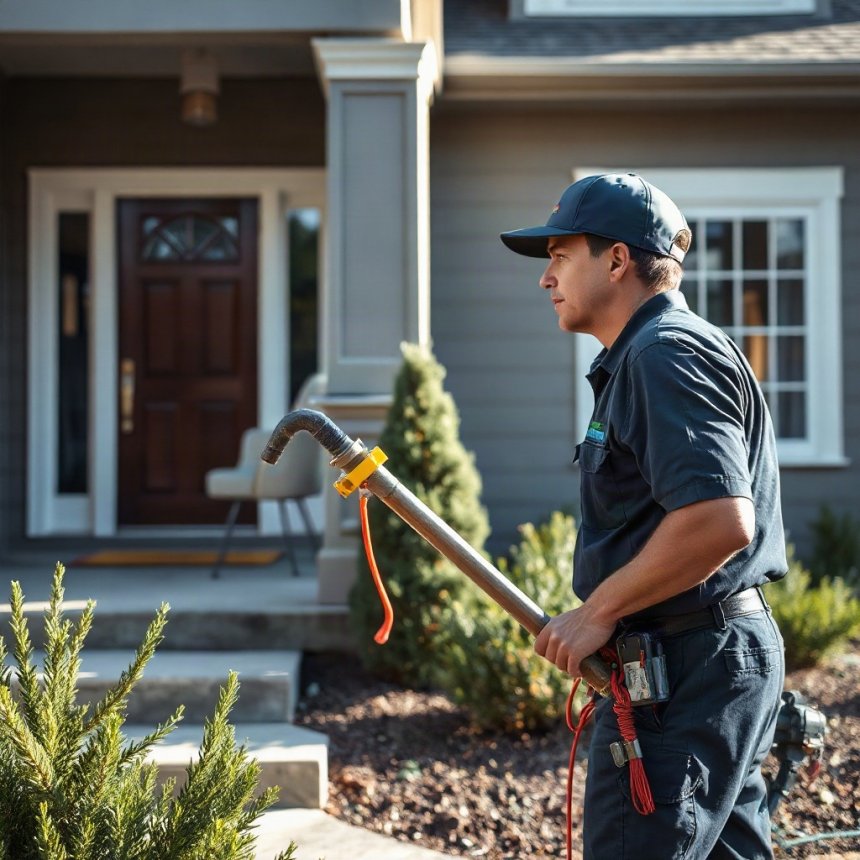
Living in a historic home in neighborhoods like the French Quarter, Faubourg Marigny, or Uptown New Orleans offers unmatched architectural charm. However, maintaining these vintage properties comes with unique plumbing challenges. One of the most frequent complaints among homeowners in these areas is a frustrating drop in water pressure. Whether it is a weak shower stream or a kitchen faucet that barely trickles, low water pressure can significantly disrupt daily routines.
Understanding why your older New Orleans home is experiencing weak water flow is the first step toward finding a lasting solution. Because local water conditions and historic building materials play a major role, diagnosing the issue requires looking closely at both the supply lines and the unique characteristics of aging local infrastructure.
When multiple fixtures throughout your property suffer from weak flow at the same time, the root cause is usually tied to the main supply line or the home's primary distribution system. Conversely, if only one sink or shower is affected, the issue is typically localized to that specific fixture.
Aging Galvanized Steel Pipes and Internal Corrosion
Many historic homes in New Orleans were originally built with galvanized steel piping. While durable for their era, these pipes have a finite lifespan, typically ranging from 40 to 50 years. Over decades of exposure to water, the zinc coating on the inside of the pipes erodes, leading to internal rust and mineral scale accumulation.
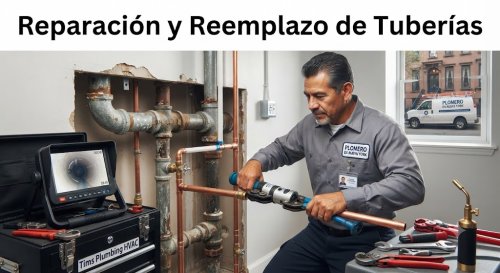
As corrosion builds up inside the pipe, the interior diameter shrinks dramatically. This restriction chokes down the volume of water that can pass through, resulting in noticeably low pressure at your faucets and showers. If your home still has its original galvanized plumbing, partial or complete repiping with modern materials like PEX or copper is often the most effective remedy.
Mineral Buildup and Sediment in Faucet Aerators
Water quality and mineral content can also impact water delivery inside the home. Over time, microscopic minerals, sand, and sediment traveling through municipal supply lines can accumulate inside plumbing fixtures. Faucet aerators and showerhead nozzles act as final filters, catching this debris before it splashes out.
When these small screens become clogged with calcium deposits and mineral scale, water flow slows to a weak dribble. Fortunately, this is one of the easiest issues to troubleshoot. Unscrewing the aerator tip from your faucet and soaking it in a vinegar solution will often dissolve the buildup and immediately restore normal pressure.
Pressure Regulator Valve (PRV) Failures
Many homes are equipped with a pressure reducing valve (PRV), a mechanical device designed to lower high pressure coming from the municipal water main to a safe level for household plumbing. When a PRV fails—which can happen due to worn internal springs or heavy mineral scaling—it can stick in a closed or partially restricted position.
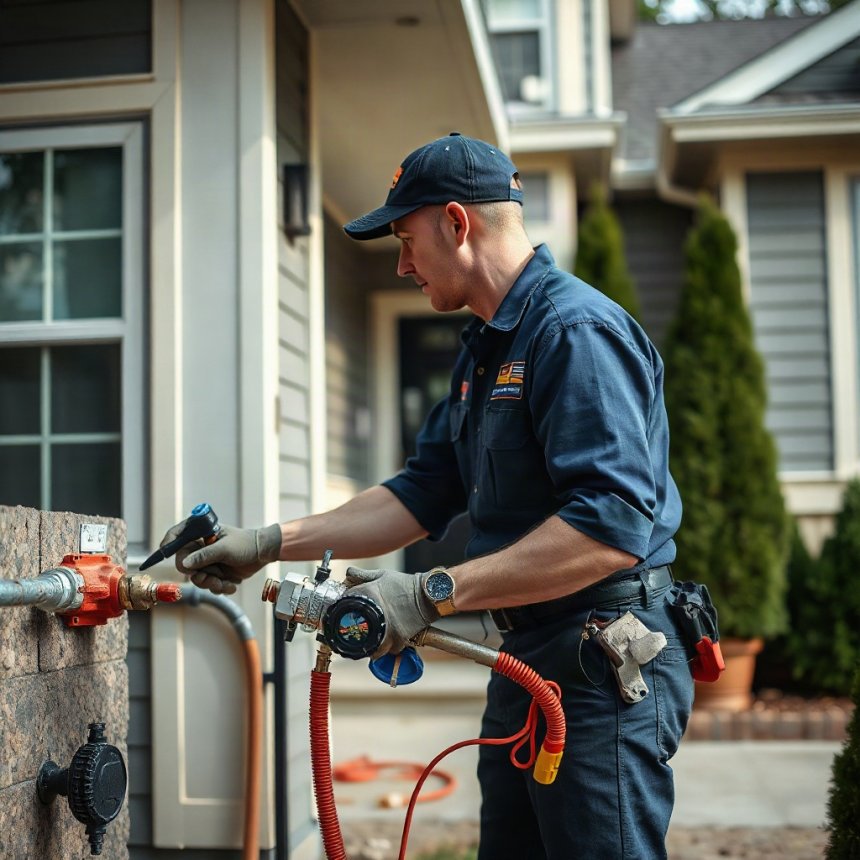
If your PRV malfunctions, water pressure throughout the entire house will drop suddenly. Testing or replacing a faulty pressure regulator requires specialized pressure gauge equipment and professional expertise, making it a job best handled by a qualified New Orleans plumbing professional.
Hidden Leaks in the Supply System
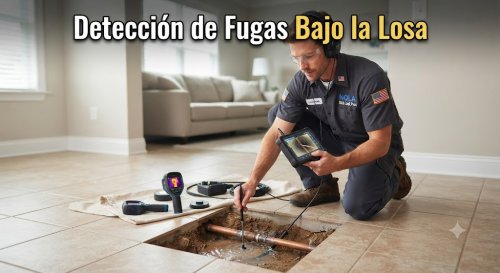
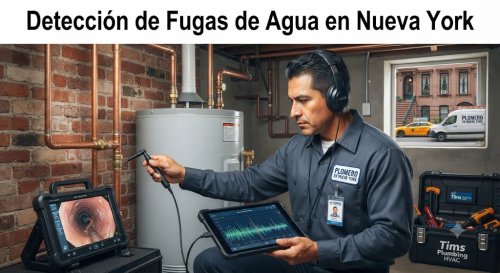
An unexpected drop in water pressure can sometimes be an indicator of a hidden leak. When a pipe cracks, splits, or separates underground or behind a wall, water escapes before it can reach your fixtures. This diversion reduces the overall volume and pressure available throughout the rest of the plumbing system.
Property owners should check their water meters when no water is actively being used inside the home. If the leak indicator dial is spinning, it suggests a compromised supply line that requires immediate leak detection and pipe repair services.
Municipal Supply Fluctuations and Local Infrastructure
Sometimes the issue originates outside your property line. New Orleans relies on an extensive municipal water distribution network, and maintenance projects, main breaks, or high demand during peak hours can occasionally cause temporary drops in city water pressure.
If your neighbors are experiencing similar sudden pressure drops, or if the local Sewer & Water Board is performing work in your area, the pressure will usually return to normal once municipal repairs are completed.
Frequently Asked Questions About Low Water Pressure
Why is only one faucet experiencing low pressure while the rest of the house is fine?
When only a single fixture has weak pressure, the issue is almost always isolated to that specific fixture. Check the aerator for mineral buildup or make sure the localized shut-off valve under the sink is fully open.
How can I tell if my home has galvanized pipes causing low pressure?
You can inspect exposed pipes in your crawlspace, basement, or utility room. Galvanized steel pipes are typically dull gray, metallic, and magnetic. If you scrape the surface gently with a screwdriver and see a reddish-copper color underneath, you have copper pipes; if it remains dull gray or shows rust, it is likely galvanized steel.
Can high water pressure damage my home's plumbing?
Yes. While low pressure is frustrating, excessively high pressure puts continuous strain on joints, fittings, and water-using appliances like washing machines and water heaters, increasing the risk of sudden pipe bursts or leaks.