Emergency Plumber Cost in New Orleans: Rates & Estimates
Discover emergency plumber costs in New Orleans, LA. Learn about pricing factors, warning signs, and when to call a licensed plumber
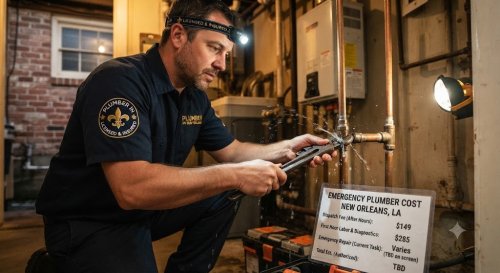
How Much Does an Emergency Plumber Cost in New Orleans?
Introduction
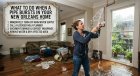
Plumbing emergencies have a frustrating habit of happening at the most inconvenient times—late at night, during a holiday dinner, or right before you leave for work. For homeowners and business owners across New Orleans, LA, dealing with a sudden crisis like a burst pipe or an overflowing toilet brings immediate panic, quickly followed by a pressing question: How much is this going to cost?
People search for emergency plumbing costs because they want transparency and peace of mind when their property is at risk. New Orleans possesses a uniquely historic architecture, a high water table, and shifting soil compositions across neighborhoods like the French Quarter, Garden District, Metairie, and Kenner. These localized factors can influence how urgent plumbing failures happen and how complex the subsequent repairs turn out to be. Understanding how emergency plumbing rates work helps you prepare financially and make swift, confident decisions when disaster strikes.
What Is Emergency Plumbing Cost Determination?
Emergency plumbing costs encompass the total financial investment required to deploy a licensed professional outside of standard business hours to resolve an urgent, property-threatening plumbing failure. Unlike scheduled maintenance, emergency pricing accounts for immediate dispatch, priority labor, specialized after-hours troubleshooting, and rapid damage mitigation.
Common Situations Involving Emergency Plumbing
-
Midnight Pipe Bursts: Sub-freezing winter drops or aged pipe collapses flooding interior walls or hardwood flooring.
-
Severe Sewage Overflows: Main sewer lines backing up raw wastewater into residential or commercial bathrooms.
-
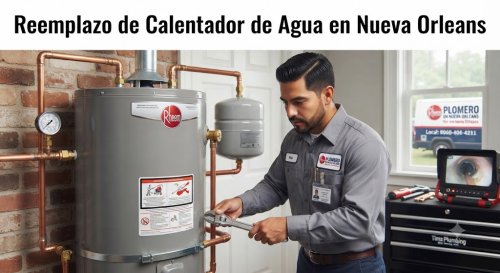
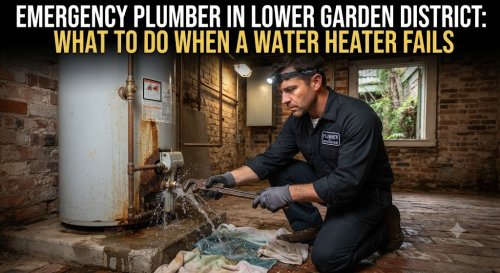
Sudden Water Heater Ruptures: Tank failures dumping dozens of gallons of hot water onto utility room floors.
-
Uncontrollable Fixture Leaks: Main supply lines or angle stops breaking off completely with no way to isolate the water locally.
Why Does This Plumbing Problem Happen?
Emergency plumbing failures rarely happen out of nowhere; they are usually the culmination of underlying mechanical stress, environmental conditions, and long-term wear:
-
Aging Infrastructure: Many historic New Orleans properties still feature decades-old cast iron or galvanized steel pipes that corrode internally until they abruptly rupture under standard pressure.
-
Soil Shift and Subsidence: The soft, marshy delta soil of Orleans and Jefferson parishes shifts constantly, placing unnatural shear stress on underground water and sewer connections.
-
Hard Water Scale Accumulation: Heavy mineral content scales up inside water heater tanks and supply elbows, weakening structural integrity and causing sudden blowouts.
-
Tree Root Infiltration: Aggressive root systems from live oaks crack through older clay and cast-iron sewer lines, leading to sudden, catastrophic blockages.
-
Extreme Weather Events: Sudden winter freezes or heavy tropical storm downpours strain exterior and uninsulated crawlspace pipes beyond their design limits.
Signs You Should Never Ignore
Recognizing early warning signs can mean the difference between a routine repair and a midnight emergency:
-
Sudden Water Pressure Drops: Often signals an underground leak or a major structural crack in a primary supply pipe.
-
Gurgling Drains: Indicates trapped air and a developing blockage in your main sewer lateral.
-
Damp or Warm Spots on Floors: A classic symptom of a hidden slab leak beneath concrete foundations.
-
Foul Sewage Smells Indoors: Points to a cracked vent stack or a dried-out plumbing trap letting sewer gases escape.
-
Discolored Water: Rusty or brown water often means internal pipe corrosion is reaching an advanced, brittle stage.
Common Plumbing Problems Related to This Issue
Emergency plumbing calls in Greater New Orleans usually tie directly into several widespread structural issues:
-
Burst Supply Lines: High-pressure failures behind walls or under sinks.
-
Main Sewer Line Collapses: Complete blockages causing multi-fixture wastewater backups.
-
Water Heater Tank Ruptures: Structural corrosion breaching the outer shell of the tank.
-
Slab Leaks: Underground water lines breaking beneath residential foundations.
-
Overflowing Commercial Toilets: High-traffic backup emergencies in local businesses.
Step-by-Step Professional Repair Process
When you call an emergency plumber, a reputable local company follows a structured workflow to secure your property:
-
Step 1: Rapid Dispatch & Arrival: Quick mobilization of a mobile service unit to your location in neighborhoods from Uptown to Lakeview.
-
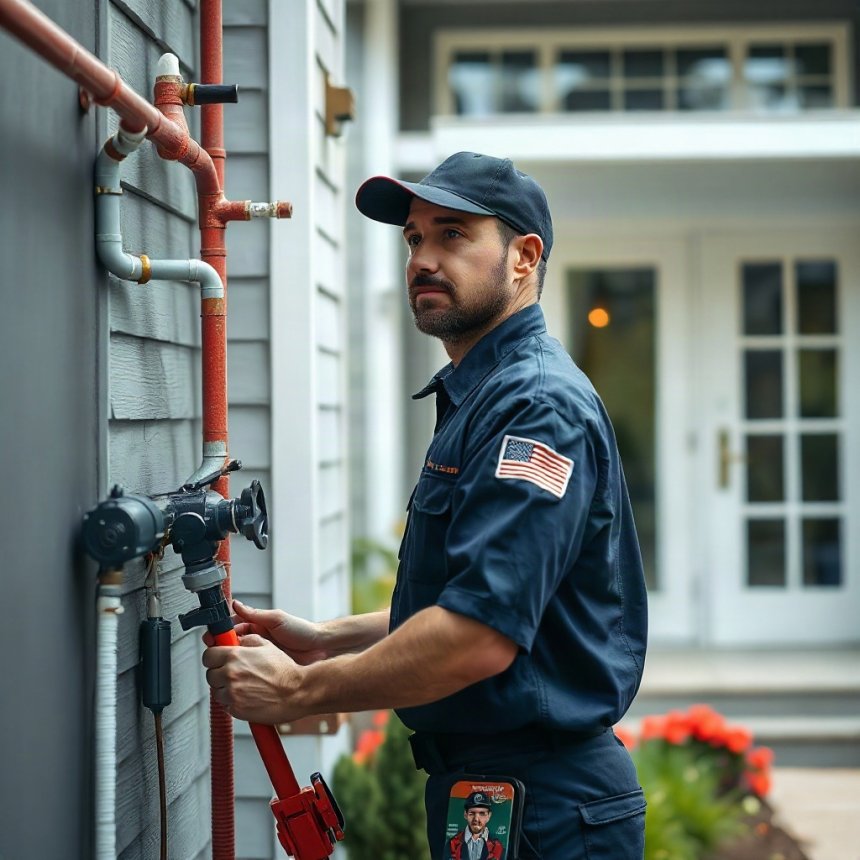
Step 2: Immediate Containment: Locating and shutting off primary water or gas valves to stop active damage instantly.
-
Step 3: Emergency Diagnosis: Utilizing visual checks and diagnostic tools to isolate the exact point of failure.
-
Step 4: Transparent Estimate: Providing a clear, upfront explanation of emergency repair options and pricing before work proceeds.
-
Step 5: Code-Compliant Repair: Fixing or replacing the damaged component using durable, professional-grade materials.
-
Step 6: System Pressure Testing: Verifying that repairs hold steady under normal operating pressure and checking for secondary leaks.
-
Step 7: Cleanup & Prevention Advice: Securing the work area and offering practical guidance to prevent future emergencies.
Can You Fix It Yourself?
When water is gushing into your home, time is of the essence, and knowing the boundaries between safe action and dangerous DIY is crucial.
What Homeowners Can Safely Do
-
Locate and turn off the main water shut-off valve immediately to stop flooding.
-
Shut off the power supply to your water heater at the breaker box if it is leaking.
-
Move furniture, rugs, and electronics away from standing water.
-
Open windows or run fans to minimize immediate moisture buildup.
When DIY Becomes Dangerous
Attempting to repair active high-pressure pipe bursts, clearing main sewer lines with manual snakes without knowing pipe conditions, or tampering with gas lines is extremely dangerous. DIY errors during an emergency frequently compound structural damage, risk electrocution, and result in catastrophic financial losses.
Tools Professionals Use
Emergency plumbers rely on advanced commercial-grade equipment to diagnose and resolve urgent issues swiftly:
-
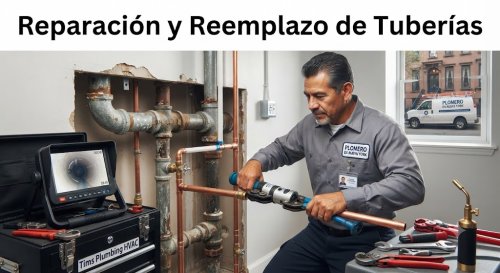
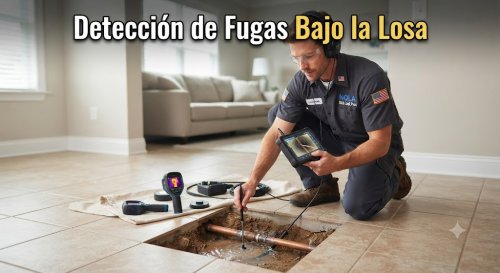
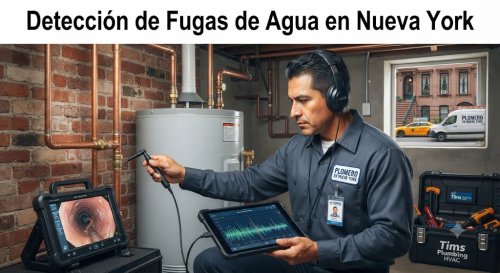
Electronic Leak Detectors: Acoustic listening gear and thermal cameras that locate hidden leaks behind finished drywall or concrete slabs without destructive searching.
-
Drain Inspection Cameras: Waterproof fiber-optic scopes that reveal the interior state of pipes in real-time.
-
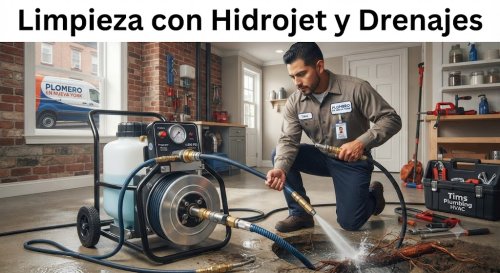
Hydro Jetting Systems: High-pressure water scrubbing units that instantly cut through stubborn roots and grease clogs.
-
Pipe Locators: Radio transmitters used to map exact underground line layouts and depth.
How Long Does the Repair Usually Take?
Emergency repair timelines depend heavily on the nature of the crisis:
-
Emergency Stabilization (Shutting off lines, minor patch): 30 minutes to 1 hour.
-
Moderate Emergency Repairs (Replacing a burst supply section or failed water heater valve): 1 to 3 hours.
-
Major Emergency Repairs (Excavating slab leaks or replacing collapsed main sewer sections): 4 hours to multiple days.
Cost Factors
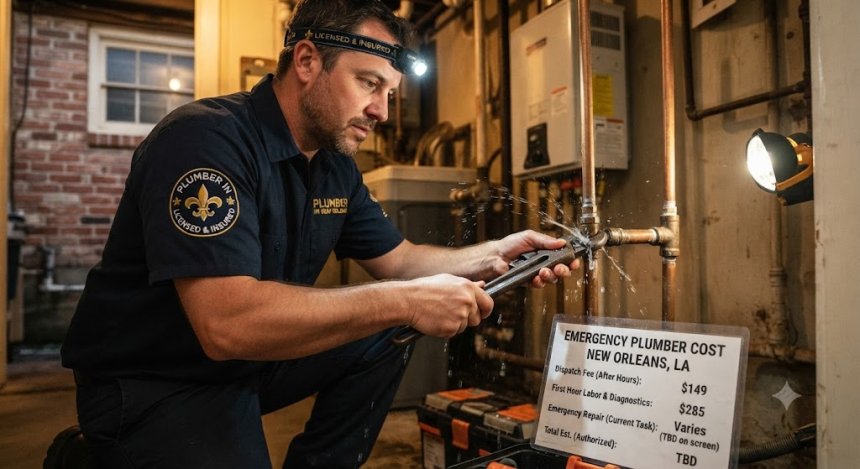
Plumbing repair costs vary depending on the severity of the problem, accessibility, materials required, emergency service, property type, and local labor rates. Key elements influencing your final emergency bill include:
-
Dispatch and After-Hours Fees: Premium rates covering immediate night, weekend, or holiday mobilization.
-
Diagnostic Time: The complexity involved in locating hidden or multi-point failures.
-
Labor Intensity: The number of technicians required and the duration of the emergency intervention.
-
Materials and Parts: Specialized fittings, heavy-duty piping, or replacement units needed on short notice.
-
Accessibility Challenges: Working in tight crawlspaces, historic raised foundations, or beneath concrete slabs.
-
Permit Requirements: Municipal building permits for major emergency replacements.
Hidden Truths Homeowners Should Know
-
Small, ignored water drips routinely morph into catastrophic structural wood rot and black mold within days.
-
Cheap temporary fixes, like rubber tape on high-pressure lines, almost always blow out under pressure.
-
Standard homeowners insurance policies often deny coverage for water damage caused by long-term, neglected maintenance.
-
Tree roots will persistently reinvade sewer lines unless structural repairs or permanent lining solutions are applied.
-
Hard water in Southeast Louisiana aggressively shortened appliance lifespans if left untreated.
-
Amateur emergency DIY mistakes often invalidate manufacturer warranties and double professional labor costs.
-
Delaying professional intervention during a flood dramatically increases mold remediation expenses.
-
Hidden leaks silently inflate monthly utility bills before visible surface damage appears.
-
Investing in routine annual maintenance prevents the vast majority of expensive midnight emergencies.
15 Common Mistakes Homeowners Make
-
Panicking Instead of Shutting Off Water: Wasting precious minutes searching for tools instead of closing the main valve.
-
Pouring Chemical Drain Cleaners into Clogged Pipes: Using corrosive liquids that eat through old metal lines and burn skin during backups.
-
Flushing Wipes and Hygiene Products: Treating toilets like trash cans and causing severe main line clogs.
-
Ignoring Slow Drains Until They Backup: Waiting until a total blockage occurs on a holiday weekend.
-
Hiring Unlicensed Handymen for Emergencies: Risking uninsured work that violates municipal building codes.
-
Skipping Regular Maintenance Checkups: Failing to flush water heaters or inspect supply hoses annually.
-
Using Incorrect Pipe Materials: Mixing dissimilar metals like copper and galvanized steel, triggering galvanic corrosion.
-
Over-Tightening Threaded Fittings: Cracking PVC or brass connectors by applying excessive wrench force.
-
Not Knowing Where the Main Shut-Off Is: Spending vital minutes looking for the valve while water floods the house.
-
Leaving Outdoor Hoses Connected During Freezes: Risking frozen hose bibs and cracked interior wall pipes.
-
Disposing of Grease Down Kitchen Sinks: Letting cooking fats solidify inside branch drain lines.
-
Ignoring Minor Water Pressure Fluctuations: Failing to address failing pressure-reducing valves.
-
Placing Heavy Objects on Exposed PVC Lines: Storing items on basement or crawlspace plumbing.
-
Failing to Insulate Vulnerable Piping: Leaving attic or exterior wall pipes exposed to rare hard freezes.
-
Attempting DIY Gas Line Repairs: Risking explosion and fatal poisoning by skipping professional protocols.
Maintenance Tips
-
Flush your water heater tank annually to clear sediment build-up and preserve tank integrity.
-
Test your main water shut-off valve twice a year to ensure it operates smoothly without sticking.
-
Pour water into floor drains and rarely used guest bathroom traps to maintain sewer gas barriers.
-
Install mesh hair traps over all shower, tub, and bathroom sink drains.
-
Inspect under kitchen and bathroom sinks quarterly for signs of dampness or weeping fittings.
-
Keep aggressive root-bearing trees planted well away from underground sewer lateral routes.
-
Clearly tag your home's main water shut-off valve so anyone in the family can find it instantly.
-
Insulate exposed water supply lines in crawl spaces and attics prior to winter cold snaps.
-
Schedule a professional plumbing inspection every two to three years for older historic homes.
-
Monitor your water meter periodically when all fixtures are closed to detect hidden leaks.
-
Avoid planting bushes or landscaping directly over septic tanks or main cleanout caps.
-
Run ice cubes through your garbage disposal regularly to clean blades and clear residue.
-
Test your water pressure with an inexpensive hose-bib gauge to prevent high-pressure pipe stress.
-
Replace rubber washing machine supply lines with braided stainless-steel hoses every five years.
-
Test your sump pump before heavy seasonal storms by pouring a bucket of water into the pit.
When Should You Call an Emergency Plumber?
-
Burst Water Pipes: Uncontrolled water spraying into living areas or wall cavities.
-
Severe Sewage Backups: Wastewater rising out of lower-level floor drains and toilets.
-
Total Loss of Water Supply: Sudden, unexplained interruption of running water to your entire property.
-
Overflowing Toilets: Fixtures that will not stop running and cannot be isolated via local shut-offs.
-
Suspected Gas Leaks: Smelling sulfur or natural gas near appliances (evacuate immediately).
-
Major Slab Leaks: Sudden warm spots on floors accompanied by a sharp drop in system pressure.
Frequently Asked Questions
Why is my water pressure suddenly low?
Sudden pressure drops usually indicate a partially closed main valve, a failing pressure regulator, a major hidden pipe leak, or heavy mineral scale clogging your fixture aerators.
How much does leak detection cost?
Leak detection costs vary based on the specialized equipment required—such as acoustic listening devices or thermal imaging cameras—and how difficult it is to access the affected pipe area.
Can a clogged drain damage pipes?
Yes. Severe clogs generate intense backpressure against pipe joints, increasing the risk of structural cracks, particularly in older cast iron or clay lines.
Is hydro jetting safe for old pipes?
An experienced plumber must inspect the line with a camera first; hydro jetting is safe for sturdy pipes, but it can destroy severely corroded, thin-walled historic piping.
How do I know if my sewer line is broken?
Key indicators include multiple slow drains throughout the house, gurgling toilets, foul sewage odors in the yard, and wet, soggy patches on your lawn.
How long do water heaters last?
Traditional tank water heaters typically last 8 to 12 years, whereas tankless systems can operate efficiently for 15 to 20 years with regular maintenance.
Why does my faucet drip?
Dripping faucets are generally caused by worn rubber washers, deteriorated O-rings, or internal corrosion inside the valve seat assembly.
What causes pipes to burst?
Pipes most frequently burst due to internal freezing water pressure during winter freezes, or from severe ground shifting and excessive municipal water pressure.
Can plumbing leaks increase my water bill?
Yes. Even a small continuous hidden leak can waste thousands of gallons of water per month, driving your utility bills up drastically.
When should I replace plumbing instead of repairing it?
If your property suffers from recurring pipe leaks, widespread corrosion, or outdated galvanized piping, whole-house repiping is far more cost-effective than continuous patch repairs.
Why Choose Plumber in New Orleans
When plumbing emergencies strike unexpectedly in New Orleans, LA, partnering with a trusted local expert ensures your property is protected. Plumber in New Orleans delivers reliable service grounded in:
-
Experienced Licensed Plumbers: Highly trained technicians equipped for complex residential and commercial challenges.
-
Honest Recommendations: Straightforward guidance focused on practical, long-term solutions for your property.
-
Upfront Estimates: Transparent, clear pricing with zero hidden fees before any work begins.
-
Fast Response Times: Rapid dispatch across New Orleans, Metairie, Kenner, and nearby neighborhoods.
-
Emergency Availability: Around-the-clock support when critical plumbing failures occur.
-
Quality Workmanship: Strict adherence to local building codes and industry standards.
-
Modern Equipment: Utilization of cutting-edge diagnostic cameras and hydro-jetting tools.
-
Customer Satisfaction: A proven local reputation built on reliability, integrity, and superior craftsmanship.
Contact Plumber in New Orleans today to schedule an inspection, request an estimate, or get immediate help with your emergency plumbing needs.