Why Your Water Heater Pilot Light Keeps Going Out in New Orleans
Discover the common causes of water heater pilot light outages in New Orleans homes and learn when it is time to call a professional plumber.
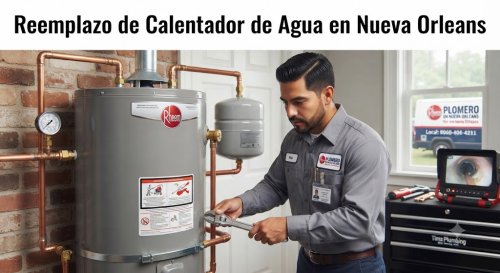
Dealing with a cold shower is frustrating enough, but discovering that your water heater's pilot light has gone out can leave you scratching your head. In New Orleans homes, conventional tank-style water heaters are subjected to specific environmental factors, humidity, and wear and tear that can frequently disrupt the pilot assembly. Understanding why this flame keeps extinguishing helps you troubleshoot safely and know when it is time to bring in a licensed New Orleans plumber to take a look.
The Role of the Thermocouple in Pilot Light Failures
One of the most frequent culprits behind a pilot light that refuses to stay lit is a faulty thermocouple. This safety device sits directly in the path of the pilot flame, generating a tiny electrical current that signals the gas valve to remain open. Over time, thermocouples can become worn, coated in soot, or simply misaligned so that the flame does not heat them properly.
When the thermocouple fails to register heat, it shuts off the gas supply as a safety precaution. If you notice that your pilot light ignites while you hold the reset button down, but immediately goes out the moment you let go, the thermocouple is often the primary suspect.
Drafts, Venting, and Airflow Issues
New Orleans features many historic properties, raised cottages, and older homes where ventilation and airflow differ significantly from modern construction. Water heaters require a steady, controlled supply of combustion air to keep the flame stable.
If strong drafts enter the utility closet, garage, or attic space where the water heater is housed, the breeze can easily snuff out the pilot flame. Additionally, blocked, rusted, or poorly configured flue pipes can create backdrafts that push exhaust gases and wind back down into the burner chamber, repeatedly extinguishing the pilot light.
Dirty Pilot Orifices and Debris Buildup
Dust, lint, spider webs, and particulate matter are naturally present in household air. Over months and years, these tiny particles can accumulate around the pilot assembly and clog the tiny opening—or orifice—through which the pilot gas flows.
When the pilot orifice is partially blocked, the gas stream becomes weak or uneven. A weak flame fails to envelop the thermocouple adequately and is far more susceptible to going out entirely. Routine inspection and gentle cleaning by a professional plumbing technician can clear away obstructions and restore a steady, healthy blue flame.
Faulty Gas Control Valves
The gas control valve sits at the base of the water heater tank and regulates the flow of gas to both the pilot light and the main burner. Inside this valve are intricate mechanical and thermal components that can degrade due to age, mineral corrosion, or internal wear.
If the internal regulator fails to maintain the correct gas pressure or stops responding properly to the thermocouple's electrical signal, the pilot light will refuse to stay lit no matter how many times you attempt to manually relight it. Because gas control valves involve direct natural gas or propane delivery, any suspected valve failure requires professional evaluation.
Environmental Humidity and New Orleans Weather
New Orleans is famous for its high humidity levels and subtropical climate. Excessive moisture in the air can lead to condensation issues, oxidation, and corrosion around electrical connections, gas switches, and burner assemblies. While modern water heaters are built to withstand standard household environments, extreme moisture combined with dust can create a conductive layer of grime that interferes with proper ignition and sensor communication.
When to Call a Professional Plumber
While relighting a standard water heater pilot light is a routine task outlined in most manufacturer manuals, persistent outages indicate an underlying mechanical or structural problem. If you have tried relighting the unit multiple times according to the instructions on the tank label and it continues to go out, do not attempt unauthorized modifications or part replacements.
Calling an experienced plumbing professional ensures that gas lines, venting systems, thermocouples, and burner assemblies are inspected safely and in compliance with local plumbing standards. Addressing water heater issues promptly restores reliable hot water to your home and prevents minor ignition snags from turning into major equipment failures.
Frequently Asked Questions
Is it safe to relight my water heater pilot light myself?
Yes, homeowners can generally follow the step-by-step instructions printed on the water heater label to relight a pilot light, provided they smell no gas in the area. If you smell gas, leave the home immediately and contact utility or professional services.
Why does my pilot light stay lit for a few hours and then go out?
A pilot light that stays lit temporarily often points to a weak thermocouple, a partial restriction in the gas supply, or intermittent environmental drafts that eventually blow out the flame.
How often should a water heater be serviced?
Annual plumbing maintenance, including checking the burner assembly, testing safety controls, and flushing the tank for sediment, helps keep your water heater running efficiently.