Common Causes of Low Water Pressure in New Orleans Historic Homes
Discover why historic homes in New Orleans experience low water pressure, from aging galvanized pipes to sediment buildup, and how local plumbers resolve them.

Owning a historic home in New Orleans—whether it is a classic Creole cottage in the French Quarter or a stately Victorian in the Garden District—comes with architectural charm and unique structural quirks. Unfortunately, plumbing systems that have decades of history behind them often come with a frustrating daily symptom: low water pressure. When your morning shower trickles instead of spraying, or taking a bath takes an eternity, it is more than a minor annoyance; it is often a sign of aging infrastructure that requires professional evaluation.
As a professional plumber working across the unique geography of New Orleans, troubleshooting water pressure issues in older properties requires a specific understanding of how these legacy systems were built, how they have aged, and how they interact with the city's municipal water supply.
Understanding Water Pressure in Century-Old New Orleans Properties
Water pressure is measured in pounds per square inch (PSI), and a normal residential range typically falls between 40 and 60 PSI. In historic New Orleans properties, achieving or maintaining this range can be difficult. Unlike modern subdivision builds with uniform PVC or PEX supply lines, historic homes have often undergone piecemeal plumbing updates over generations. You might find original galvanized steel tied into copper runs installed in the 1970s, all connected to modern city mains.
When pressure drops significantly across the entire house or at specific fixtures, it rarely resolves itself. Pinpointing the root cause is the first step toward restoring proper flow throughout your home.
Primary Culprits Behind Low Water Pressure in Older Houses
1. Internal Galvanized Pipe Corrosion
One of the most frequent causes of low water pressure in New Orleans historic homes is the presence of aging galvanized steel supply pipes. Over decades of carrying water, these pipes naturally corrode and scale from the inside out. Mineral deposits build up inside the pipe diameter, progressively choking off the water volume until only a narrow channel remains. If your home was built before the mid-20th century and has never had its supply lines upgraded, internal pipe restriction is a primary suspect.
2. Accumulated Sediment and Debris
The municipal water network in our area can occasionally carry fine sediment, especially after main breaks, seasonal line flushes, or heavy weather events common to Southeast Louisiana. Over time, this debris travels through service lines and gets trapped in fixture aerators, showerheads, and inline shut-off valves. If only one bathroom or kitchen sink is suffering from low pressure while the rest of the house flows normally, a clogged aerator is usually the easiest thing to check and clean.
3. Faulty or Deteriorated Pressure Reducing Valves (PRVs)
Many homes feature a Pressure Reducing Valve designed to protect internal plumbing from high municipal pressure surges. When a PRV fails—which often happens as the internal springs and rubber components degrade over years of service—it can stick in a closed or partially restricted position. This instantly chokes the volume of water entering the house, leading to an abrupt, whole-home drop in water pressure.
4. Hidden Leaks in Aging Underground or In-Wall Lines
Historic homes often settle into the shifting, moisture-rich Louisiana soil. This ground movement puts stress on rigid supply lines, particularly where they enter the foundation or crawlspace. A slow, undetected water leak behind a plaster wall or beneath a raised historic floorboards will divert water away from your fixtures, resulting in noticeably diminished pressure at the tap.
How to Diagnose the Issue Before Calling a Plumber
Before scheduling a service call, you can perform a few simple observations to help narrow down the problem:
- Check multiple fixtures: Turn on both hot and cold water in the kitchen, bathrooms, and outdoor spigots. If only one faucet is weak, the issue is localized to that specific fixture or aerator.
- Talk to your neighbors: If your next-door neighbors in your Uptown or Mid-City neighborhood are also experiencing weak flow, the issue might stem from municipal supply work or street main fluctuations rather than your private plumbing.
- Inspect main shut-off valves: Ensure that your main water meter valve and the primary indoor shut-off valve are fully open. A partially closed valve restricts volume significantly.
Modern Solutions for Historic Plumbing Systems
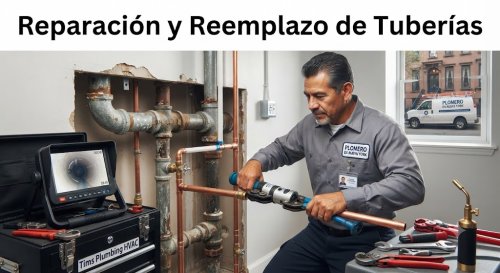
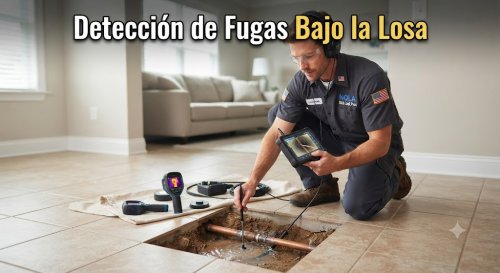
Resolving low water pressure in a historic New Orleans home requires a careful balance between modern plumbing standards and preserving the architectural integrity of the building. Depending on the diagnosis, solutions may range from targeted pipe descaling and PRV replacement to whole-house repiping utilizing modern, flexible, and durable materials like PEX or copper. Professional leak detection can also pinpoint hidden subsurface failures without tearing up historic heart-pine floors or original plaster walls unnecessarily.
Frequently Asked Questions
Why is my hot water pressure lower than my cold water pressure?
If only your hot water is weak, the restriction is usually isolated to your water heater. Sediment buildup inside the tank can block the outlet pipe, or an old, corroded shut-off valve leading into the water heater may be partially stuck.
Can high municipal water pressure damage my historic pipes?
Yes. While low pressure is frustrating, excessively high municipal pressure can strain brittle historic joints and cause sudden pipe bursts. This is why a properly functioning Pressure Reducing Valve is vital for older properties.
Is low water pressure a sign of a hidden water leak?
It can be. If a supply line develops a significant break or continuous slow leak, the system loses pressure because water is escaping before it reaches your fixtures. Monitoring your water meter when all taps are closed is a good way to test for hidden leaks.
Should I replace galvanized pipes all at once?
If your historic home still relies primarily on original galvanized steel supply piping, sectional repairs often only buy temporary time. Replacing the entire system with modern piping provides reliable long-term water pressure and protects against future leaks.