Emergency Plumber Westwego: Water Line Break Fix
Facing a water line break in Westwego, New Orleans? Learn causes, warning signs, temporary fixes, and when to call an emergency plumber today.
Emergency Plumbing in Westwego
Dealing with an unexpected water line break can instantly throw your household or business into chaos. Property owners across Westwego and surrounding Jefferson Parish communities—including Marrero, Avondale, and the greater New Orleans metropolitan area—frequently face urgent plumbing challenges due to shifting delta soils, high water tables, and aging infrastructure. When a primary water pipe ruptures, flooding your yard or cutting off indoor water supply, immediate action is vital. Homeowners often search for guidance on this stressful topic because a major line break threatens structural integrity, wastes thousands of gallons of water, and halts daily routines. Knowing what steps to take before calling Plumber in New Orleans can prevent extensive property damage.
What Is a Water Line Break?
A water line break involves the structural failure of the main pressurized pipe supplying fresh municipal water to your property.
-
Definition: A severe crack, fracture, or complete separation of the underground or interior main water service line, causing high-volume water loss or total pressure loss.
-
Common Situations: You walk outside and notice a bubbling swamp in your front yard on a completely dry day, or you turn on a tap inside and hear air hissing with no water output.
-
Symptoms: Unexplained pooling water in the yard, sudden drops in household water pressure, muddy water coming from taps, and skyrocketing monthly water utility bills.
-
Examples: A Westwego homeowner discovers a sudden sinkhole forming near their driveway where the underground service line enters the foundation, accompanied by total water loss indoors.
Why Does This Plumbing Problem Happen?
Water lines withstand continuous internal pressure and environmental stress, making them susceptible to structural failure over time.
-
Shifting Soil and Ground Subsidence: The unique alluvial soil composition in the New Orleans region expands and contracts heavily, putting severe shearing stress on rigid underground pipes.
-
Aging Infrastructure and Corrosion: Older galvanized steel or polybutylene pipes corrode, weaken, and become brittle after decades of service.
-
Excessively High Water Pressure: Municipal water pressures running above standard limits stress pipe joints, elbows, and older couplings until they rupture.
-
Tree Root Intrusion: Aggressive roots from nearby trees wrap around buried water pipes, exerting pressure and exploiting tiny micro-cracks.
-
Freezing Weather and Ground Shifting: Rare hard freezes in south Louisiana can impact shallow exterior pipes, causing them to crack when expansion occurs.
Signs You Should Never Ignore
Recognizing early warning signs allows you to address compromised water lines before they turn into full-scale property disasters.
-
Unusual Water Meter Activity: If all indoor and outdoor faucets are completely turned off, but your water meter dial is spinning rapidly, you have a major active leak.
-
Sudden Loss of Water Pressure: A sharp, unexplained drop across multiple fixtures usually points to a compromised supply line leaking water underground.
-
Soggy or Lush Yard Patches: A bright green, spongy, or continuously flooded section of your lawn during dry weather is a classic signature of an underground water line break.
-
Foundation Cracks and Damp Floors: Water leaking beneath a concrete slab can saturate subflooring and cause interior walls or tiles to shift and crack.
-
Discolored or Rusty Water: Rust particles and debris entering your water supply indicate that internal pipe walls are breaking down rapidly.
Common Plumbing Problems Related to This Issue
-
Pipe Leaks: Secondary pinhole leaks frequently develop in adjacent pressurized lines due to system shock.
-
Water Heater Burnout: Tank water heaters can suffer dry-firing and element destruction if the incoming water supply abruptly stops.
-
Slab Leaks: Water line breaks beneath concrete foundations erode sub-base soils and cause catastrophic structural shifting.
-
Fixture Damage: High-pressure surges and sediment discharge ruin delicate ceramic faucet cartridges and appliance valves.
Step-by-Step Professional Repair Process
When you hire a licensed plumbing team to resolve a water line emergency, a systematic methodology ensures a lasting solution.
-
Step 1: Inspection: The plumber inspects the main meter box and traces the path of the service entry to evaluate the emergency.
-
Step 2: Diagnosis: Using electronic acoustic leak detectors and pressure testing equipment, the technician pinpoints the exact break location.
-
Step 3: Estimate: You receive a clear, upfront explanation of the required repair strategy and transparent pricing before work begins.
-
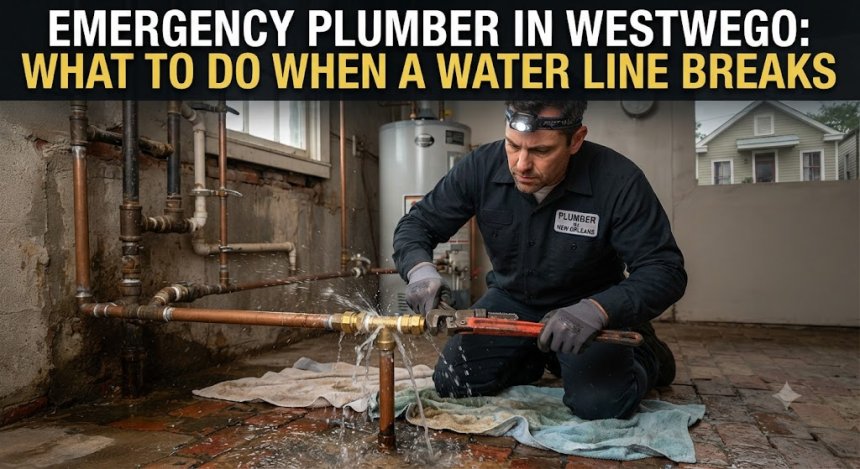
Step 4: Repair: The plumber shuts off the main supply, excavates the damaged section, and replaces it with modern, durable piping materials.
-
Step 5: Testing: The system is slowly repressurized to check joint integrity, verify flow rates, and purge trapped air from lines.
-
Step 6: Cleanup: The work area is backfilled, leveled, and debris is cleared from your property landscape.
-
Step 7: Maintenance Advice: The technician provides practical tips on pressure management and seasonal line protection.
Can You Fix It Yourself?
-
Safe DIY Solutions: Locate and immediately close your property’s main water shut-off valve to stop active flooding.
-
What Homeowners Can Safely Do: Keep family members away from flooded zones and contact your municipal water board to verify local main status.
-
When DIY Becomes Dangerous: Attempting to dig up underground service lines without professional utility location services risks striking high-voltage electrical or gas lines.
-
When Professional Plumbing is Necessary: Any break involving pressurized main lines, concrete slab penetrations, or deep excavation requires licensed expertise and heavy equipment.
Tools Professionals Use
-
Electronic Acoustic Leak Detectors: Sensitive listening devices that pinpoint the exact hiss of water escaping underground pipes.
-
Pipe Locators: Electromagnetic tracking tools that trace buried metallic and non-metallic water lines beneath concrete and soil.
-
Hydraulic Pressure Gauges: Precision instruments used to test system PSI and evaluate pressure regulator performance.
-
Trenchless Pipe Pulling Rigs: Advanced machinery that replaces underground water lines with minimal damage to lawns and driveways.
How Long Does the Repair Usually Take?
-
Shut-off Valve or Minor Joint Repair: 1 to 2 hours for accessible residential pipe sections.
-
Standard Underground Line Spot Repair: 3 to 6 hours to excavate, cut out the broken pipe segment, and install new fittings.
-
Full Service Line Replacement: 1 to 2 days depending on the length of the run, landscaping, and concrete obstacles.
-
Emergency Isolation and Mitigation: Immediate response within minutes to hours depending on dispatch distance.
Cost Factors for Water Line Repairs
Plumbing repair costs vary depending on the severity of the problem, accessibility, materials required, emergency service, property type, and local labor rates.
-
Diagnostic Fees: Standard service call charges for traveling to the site and running pressure tests.
-
Depth and Accessibility: Lines buried deep underground or running beneath concrete patios require intensive excavation labor.
-
Materials Required: Upgrading old lines to flexible cross-linked polyethylene or heavy-duty copper impacts total material investment.
-
Emergency Dispatch: After-hours, weekend, or holiday response calls involve adjusted labor rates.
-
Property Restoration: Repairing torn-up landscaping, irrigation lines, or concrete flatwork after excavation.
Hidden Truths Homeowners Should Know
-
Small weeping water line leaks rapidly erode supporting soil, causing sudden pipe collapses.
-
Temporary rubber patch clamps on high-pressure main lines invariably fail under continuous load.
-
Standard homeowners insurance policies rarely cover property damage resulting from neglected pipe maintenance.
-
Tree roots will return to the exact same water line path unless the pipe is replaced with root-resistant materials.
-
Hard water scale inside older pipes restricts flow and accelerates metal fatigue.
-
DIY repair mistakes frequently double the financial cost of subsequent professional interventions.
-
Delaying main water line repairs can undermine your home's foundation due to severe soil washout.
-
Silent underground leaks inflate municipal water bills to hundreds of dollars over expected norms.
-
Mold colonizes damp structural cavities and subflooring within 24 to 48 hours of a leak.
-
Annual plumbing maintenance saves money by catching minor pressure anomalies early.
15 Common Mistakes Homeowners Make
-
Ignoring unexplained wet spots or lush patches in the front yard.
-
Failing to locate the main property water shut-off valve before an emergency.
-
Using chemical drain or pipe cleaners on pressurized water supply lines.
-
Forcing stuck or corroded main valves and snapping the brass stem.
-
Hiring unlicensed handymen for complex high-pressure water main work.
-
Skipping annual pressure reducing valve checks and maintenance.
-
Waiting for a catastrophic pipe blowout before scheduling inspections.
-
Installing incorrect pipe diameters that choke household water delivery.
-
Over-tightening fragile threaded plumbing fittings during amateur fixes.
-
Planting large shade trees directly over buried water supply easements.
-
Failing to insulate exposed exterior hose bibs and supply pipes.
-
Neglecting to document property damage for insurance claim purposes.
-
Ignoring rapid spinning movements on the water meter dial.
-
Disregarding minor pressure drops across household faucets.
-
Delaying professional diagnostic evaluations when bills spike.
Maintenance Tips for Reliable Water Supply
-
Test your main property water shut-off valve twice a year to ensure smooth operation.
-
Monitor your water utility meter monthly for unexpected consumption spikes.
-
Schedule professional pressure regulator evaluations every few years.
-
Insulate all exposed water supply lines in crawlspaces and exterior walls.
-
Install smart water leak detection sensors near primary entry points.
-
Keep large trees and deep-rooted shrubs safely distanced from water service lines.
-
Flush your water heater annually to prevent sediment build-up and pressure stress.
-
Check indoor faucet aerators regularly for trapped mineral scale and debris.
-
Keep the main shut-off valve clearly labeled and completely unobstructed.
-
Replace aging galvanized service pipes before they corrode completely.
-
Avoid exposing plastic supply lines to direct sunlight or harsh chemical storage.
-
Keep emergency plumbing contact numbers saved in your phone.
-
Hire licensed professionals for any major plumbing renovations.
-
Maintain a dedicated home repair fund for unexpected plumbing emergencies.
-
Inspect your crawlspace or basement periodically for dampness or pooling.
When Should You Call an Emergency Plumber?
-
Major Water Line Ruptures: Water gushing uncontrollably across your yard or into the house.
-
Total Loss of Water Supply: Complete absence of water at every fixture on the property.
-
Severe Pressure Drops: Sudden loss of pressure accompanied by loud pipe hammering.
-
Foundation Flooding: Water pooling around interior baseboards or crawlspace pillars.
-
Uncontrollable Meter Leaks: Water leaking directly from the municipal connection side or main shut-off.
Frequently Asked Questions
-
Why is my water pressure suddenly low? Low pressure is typically caused by clogged aerators, a failing pressure reducing valve, or an active underground water line leak.
-
How much does leak detection cost? Costs vary based on equipment and property size, but professional detection prevents destructive exploratory digging.
-
Can a clogged drain damage pipes? Yes, severe pressure backups from clogged drains can crack pipe joints and cause major leaks.
-
Is hydro jetting safe for old pipes? A licensed plumber must inspect pipe condition first; fragile older lines may require gentler cleaning methods.
-
How do I know if my sewer line is broken? Frequent backups, soggy lawn patches, and foul sewer odors are primary indicators of a broken line.
-
How long do water heaters last? Standard tank water heaters typically last between 8 to 12 years with proper maintenance.
-
Why does my faucet drip? Worn internal washers, O-rings, or valve seats usually cause persistent faucet dripping.
-
What causes pipes to burst? Freezing temperatures, excessive water pressure, and severe rust corrosion are primary culprits.
-
Can plumbing leaks increase my water bill? Even a small silent leak in a toilet flapper or underground pipe can significantly spike your monthly utility bill.
-
When should I replace plumbing instead of repairing it? If pipes suffer from widespread corrosion, frequent leaks, or age past their expected lifespan, total replacement is more cost-effective.