Gas Line Plumber in New Orleans: Installation & Safety Services
Looking for a certified gas line plumber in New Orleans? Expert guidance on natural gas line installation, leak detection, and safety repairs for local homes.
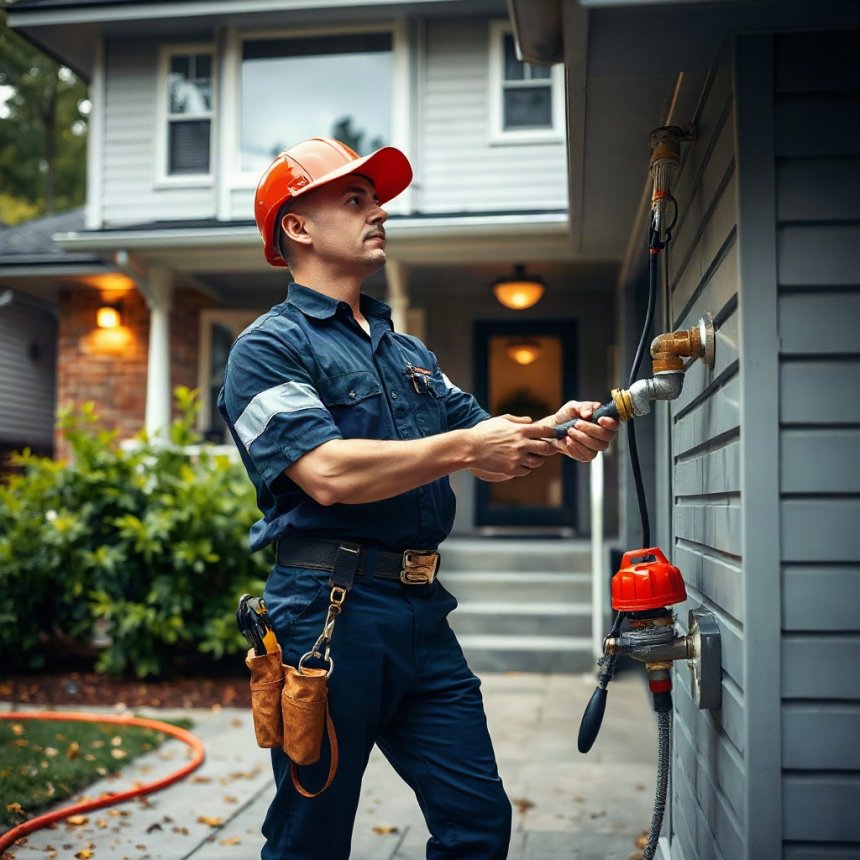
Understanding Gas Line Services in New Orleans Homes
Natural gas powers vital appliances in many New Orleans residences, from kitchen ranges and water heaters to central heating systems and outdoor patio grills. Because natural gas is highly combustible and under pressure, any installation, extension, or repair requires specialized expertise. Working with a qualified gas line plumber in New Orleans ensures that your piping network complies with local building codes and operates safely year-round.
Historic properties across neighborhoods like the French Quarter, Marigny, and Uptown often feature aging infrastructure, which makes periodic evaluation of supply lines especially important. Understanding how your gas system works and knowing when to call a professional can protect your property and your family.
Common Indications You Need Gas Line Repair
Recognizing early warning signs of a gas supply issue is critical for preventing dangerous situations. Natural gas is naturally odorless, but utility companies add a distinct chemical compound—mercaptan—to give it a sulfur or rotten-egg smell. If you notice this odor anywhere near your appliances or exterior meter, immediate action is required.
- Sulfur or Rotten Egg Odor: The most recognizable and immediate indicator of a natural gas leak.
- Hissing Sounds: A audible hiss near a gas supply valve, appliance connection point, or along a pipe run often points to a pressurized leak.
- Dead or Dying Vegetation: If grass or plants directly above an underground gas supply line wither unexpectedly without seasonal cause, an underground leak may be present.
- Pilot Light Irregularities: Appliances where pilot lights repeatedly blow out or burn with a yellow or orange flame instead of a crisp blue flame can indicate improper combustion or supply pressure issues.
Professional Gas Line Installation and Replacement
Whether you are upgrading to a tankless water heater, installing a new gas stove, or adding an outdoor generator hookup, proper sizing and material selection are essential. Gas pipes must be calculated precisely to ensure every connected appliance receives adequate volume and pressure without straining the supply.
Licensed professionals utilize durable materials such as black iron, galvanized steel, or corrugated stainless steel tubing (CSST), depending on the application and local code requirements. Every new connection undergoes rigorous pressure testing to verify system integrity before any appliance is energized.
Emergency Protocols for Suspected Gas Leaks
If you suspect a gas leak in your New Orleans home, safety must take precedence over troubleshooting. Follow these critical steps immediately:
- Evacuate Immediately: Get all family members and pets out of the building right away. Do not waste time trying to locate the source.
- Avoid Electrical Switches: Do not turn lights on or off, use appliances, unplug cords, or operate mobile phones inside the property, as a tiny electrical spark could ignite accumulated gas.
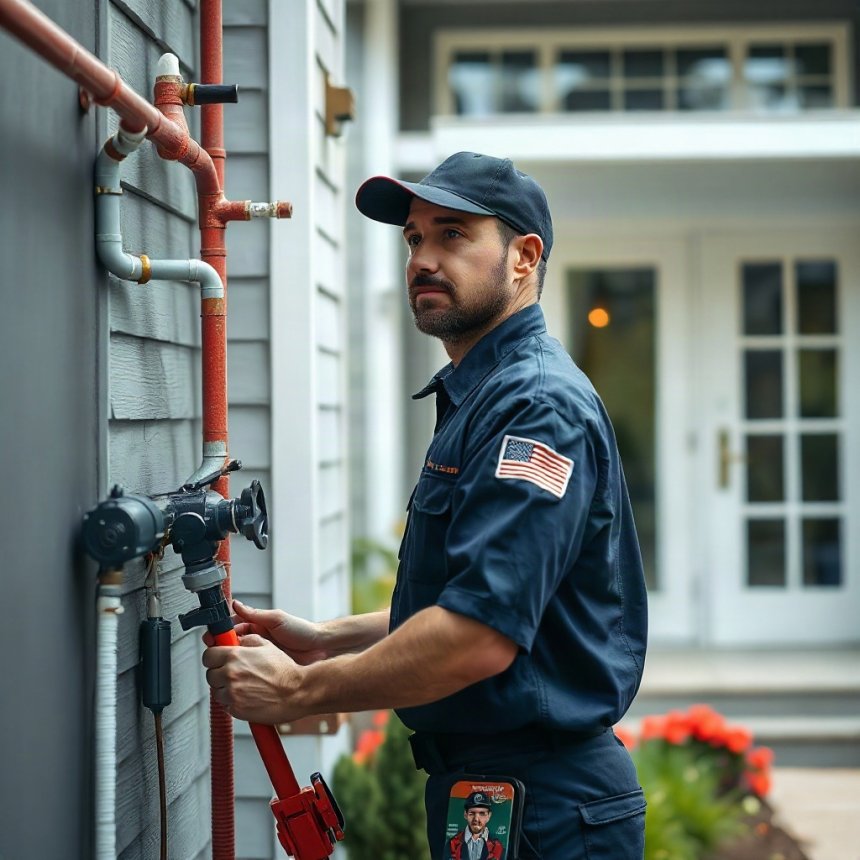
- Shut Off the Meter Valve (If Safe): If you know how and have a wrench handy, you can turn the main gas valve at the meter a quarter-turn so it sits perpendicular to the pipe. Never attempt to turn it back on yourself.
- Contact Authorities: Once safely away from the property, call your local utility provider and emergency services, followed by a professional gas line plumber to inspect and repair the system.
Frequently Asked Questions About Gas Lines
Can I install my own gas range or dryer connection?
Connecting gas appliances involves working with threaded iron pipes or flexible connectors under pressure. Improper sealing can lead to slow, hazardous leaks. Professional installation ensures proper torque, leak testing, and code compliance.
What causes natural gas lines to corrode or leak?
Corrosion can occur due to age, moisture exposure—particularly in humid New Orleans climates—or shifting soil conditions that place undue stress on rigid pipe joints.
How often should gas lines be inspected?
If your home is more than a few decades old, or if you are planning major remodeling work, having a licensed plumber inspect your gas distribution network is a smart preventative measure.