Common Causes of Water Leaks in Historic New Orleans Homes
Discover the most frequent water leak culprits in historic New Orleans properties, from aging cast iron pipes to shifting soils, and learn how to protect your home.


Understanding Water Leaks in Historic New Orleans Properties
Owning a historic home in neighborhoods like the French Quarter, the Garden District, or Faubourg Marigny is a unique pride. However, century-old architecture comes with distinct plumbing challenges. Historic New Orleans homes feature charm, intricate millwork, and—all too often—aging infrastructure that is prone to sudden or gradual water leaks. Recognizing what causes these leaks can save property owners from extensive structural damage, mold growth, and high water bills.
Because the local environment plays a massive role in how plumbing systems age, understanding the intersection of local soil conditions, weather patterns, and antique materials is essential for proper property maintenance.
1. Aging Pipe Materials and Corrosion
Many historic homes in New Orleans still contain older piping materials that have long exceeded their expected lifespans. Depending on when the home was last renovated, you might find:
- Galvanized Steel: Prone to internal rust accumulation, which gradually narrows the interior diameter and leads to pinhole leaks or sudden pipe ruptures.
- Cast Iron Drain Lines: Common in older sewer and waste systems. Over decades, constant exposure to moisture and soil acidity causes interior scaling and structural cracking.
- Early Copper: While durable, older copper lines can become brittle or suffer from pinhole leaks due to aggressive water chemistry or friction against framing timbers.
When these materials degrade, leaks frequently occur inside walls, beneath floorboards, or underground.
2. Ground Settlement and Delta Soils
New Orleans is built on a unique delta landscape composed of soft silts, clays, and organic matter. This soil is highly active; it swells significantly during heavy rainfall and shrinks during prolonged dry summer months. This constant shifting puts immense structural stress on underground water service lines and sewer connections.
When the ground shifts, rigid historic pipes—especially clay or old cast iron—can crack, sheer, or separate at the joints. Sub-slab water leaks and main line breaks are a direct result of this continuous soil movement.
3. High Water Table and Sub-Slab Moisture
The water table in New Orleans is notoriously high, often sitting just feet below the surface. Many historic raised homes feature crawlspaces, but countless properties built or modified later have concrete slabs or brick basements. Constant hydrostatic pressure pushes moisture upward against foundations and sub-grade plumbing.
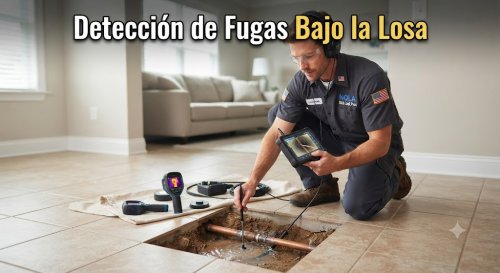
When water accumulates beneath a concrete slab, supply lines running underneath can corrode faster from the exterior. This leads to hidden sub-slab leaks that manifest as warm spots on floors, damp carpeting, or unexplained spikes in municipal water usage.
4. Extreme Weather and Temperature Fluctuations
While New Orleans rarely experiences severe deep freezes compared to northern states, sudden winter cold snaps do occur. Historic homes often have supply pipes running through poorly insulated exterior walls, crawlspaces, or unconditioned attics. When temperatures drop below freezing even for a few hours, vulnerable pipes can expand and rupture, leading to major water damage once the ice thaws.
5. Outdated Fixtures and Connection Failures
Original shut-off valves, threaded fittings, and antique supply lines under sinks and behind toilets are prime candidates for failure. Over decades, rubber seals dry out, metal threads strip, and brass valves seize up. A minor bump against an aged supply line in a historic bathroom or kitchen can fracture a brittle connection and cause a steady leak.
Warning Signs of Hidden Leaks in Historic Properties
Because historic homes often feature lathe-and-plaster walls, heart pine floors, and raised foundations, water leaks can remain hidden for weeks before becoming obvious. Watch for these red flags:
- A noticeable, unexplained increase in your monthly water bill.
- The sound of running water when all faucets and appliances are turned off.
- Musty odors, damp spots, or buckling wood floors.
- Discolored, peeling paint or bubbling wallpaper.
- Warm areas on concrete floors or lower walls.
Proactive Steps for Leak Prevention
Protecting a historic New Orleans property requires vigilance and regular maintenance. Scheduling periodic professional leak detection in New Orleans helps catch minor pipe failures before they turn into major structural emergencies. Insulating exposed pipes ahead of winter cold snaps, replacing antiquated flexible supply lines every five to ten years, and monitoring your water meter regularly are practical ways to safeguard your investment.