Emergency Plumber Uptown New Orleans: Sewer Backup Guide
Facing a sewer backup in Uptown New Orleans? Discover urgent steps, causes, warning signs, and local emergency plumbing services.
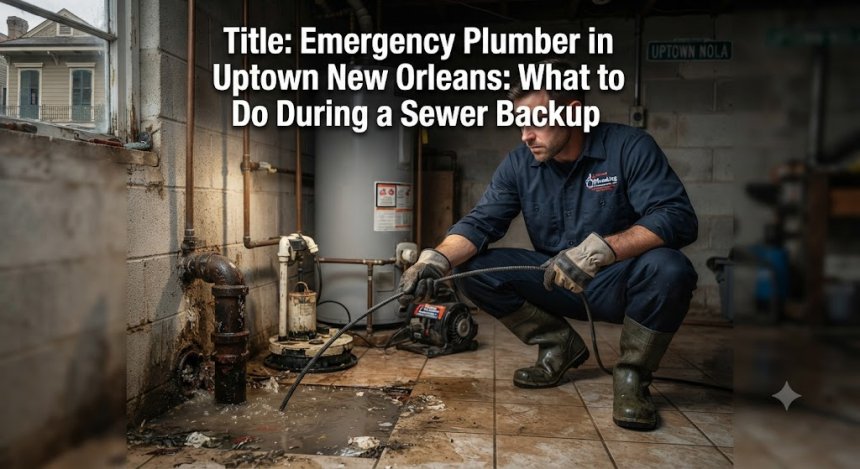
An emergency plumber in Uptown New Orleans is often the first call a homeowner makes when raw sewage starts pooling in their bathtubs or floor drains. Uptown New Orleans, known for its historic raised center-hall cottages, historic shotgun homes, and grand oak-lined streets, features aging municipal and private sewer infrastructure that is particularly susceptible to failure during heavy subtropical downpours or high river stages. A sewer backup is not merely an unpleasant household inconvenience; it represents a serious biological hazard that requires immediate professional intervention to protect your property and family health.
What Is a Sewer Backup?
A sewer backup occurs when wastewater from the municipal main or your property's private lateral line reverses direction and flows backward into your home fixtures rather than moving away toward the city treatment plant.
Common situations involve toilets overflowing simultaneously, multiple slow drains throughout the house, gurgling sounds coming from plumbing fixtures when a washing machine drains, and foul-smelling liquid pooling around basement or ground-level floor drains. In historic Uptown neighborhoods, these symptoms often appear during torrential rainstorms when the city's drainage canals reach full capacity, or when mature live oak roots infiltrate aging cast-iron or clay sewer pipes.
Why Does This Plumbing Problem Happen?
Sewer backups in New Orleans are driven by a combination of aging infrastructure, environmental factors, and daily household habits. Understanding the root causes helps homeowners prevent recurring disasters.
-
Aging Pipes and Corrosion: Many historic Uptown homes still utilize original cast-iron, Orangeburg, or clay lateral lines that have deteriorated, cracked, or collapsed over decades of shifting delta soil.
-
Tree Roots: The magnificent live oak trees that define Uptown beauty possess aggressive root systems that seek out moisture, penetrating tiny joints in sewer pipes and creating dense obstructions.
-
Grease and Fat Buildup: Pouring cooking oils, grease, and food scraps down kitchen drains coats the interior of pipes, hardening over time and trapping solid waste.
-
Non-Flushable Wipes: "Flushable" wipes, paper towels, hygiene products, and cotton swabs do not break down in wastewater systems and instantly bind together to create impenetrable blockages.
-
Heavy Rainfall and Surcharging: New Orleans sits below sea level, relying on a complex system of pumps and canals. During intense storms, stormwater can infiltrate the sanitary sewer system, overwhelming capacity and forcing water backward.
-
Structural Damage: Earth movement, heavy traffic vibrations along historic corridors, and improper past installations can cause pipe segments to misalign or belly, preventing proper drainage.
Signs You Should Never Ignore
Recognizing the early warning signs of a failing sewer system can save you thousands of dollars in property remediation and emergency repair costs.
-
Multiple Slow Drains: When your kitchen sink, shower, and toilet all drain sluggishly at the same time, the issue is rarely a single localized clog and almost always points to the main sewer line.
-
Foul Sewage Odors: Persistent sulfur or sewage smells emanating from floor drains or yard areas indicate trapped waste and venting failures.
-
Gurgling Plumbing Fixtures: Hearing bubbles or gurgling sounds when flushing a toilet or running a sink means trapped air is escaping through the water in your traps due to a blocked vent or main line.
-
Water Pooling Around Floor Drains: The lowest points in your home, such as laundry rooms or ground-floor bathrooms, are the first places a backed-up sewer line will manifest as standing water.
-
Lawn Depressions or Soggy Patches: Unexplained lush, green grass patches or standing wet spots in your yard during dry weather often indicate a broken underground sewer lateral leaking wastewater.
Common Plumbing Problems Related to Sewer Backups
Sewer backups rarely happen in isolation and are frequently connected to broader plumbing system failures found across the Crescent City.
-
Main Drain Clogs: Blockages located where branch lines meet the primary outgoing waste pipe.
-
Broken Sewer Laterals: Structural failures in the underground pipe running from the house foundation to the city main in the street.
-
Sump Pump Failures: In homes with subterranean spaces or low elevations, a failed pump during a heavy storm leads to rapid flooding.
-
Backflow Valve Failures: Missing or broken check valves that fail to stop municipal water from surging back into private plumbing.
-
Slab Leaks: Shifting soil beneath slab foundations can shear underground waste and supply lines alike.
Step-by-Step Professional Repair Process
When you hire a licensed plumbing professional in New Orleans to handle a severe sewer emergency, they follow a systematic protocol to ensure safety and permanent resolution.
-
Step 1: Immediate Containment: The plumber assesses the affected areas, advises occupants on safety zones, and shuts off relevant water supplies if necessary.
-
Step 2: Video Camera Inspection: A high-definition fiber-optic camera is pushed through the cleanout to visually pinpoint the exact location, nature, and severity of the blockage or pipe damage.
-
Step 3: Clear Diagnosis and Explanation: The technician reviews the camera footage with you, explaining whether hydro jetting, mechanical snaking, or structural repair is required.
-
Step 4: Mechanical Clearing or Hydro Jetting: Using heavy-duty commercial augers or high-pressure water jetting equipment, the blockage, roots, or scale buildup are completely scoured from the pipe walls.
-
Step 5: Post-Cleaning Verification: A second camera pass is conducted to verify that the pipe interior is entirely clear and structurally sound.
-
Step 6: Sanitization and Cleanup Recommendations: The work area is treated, and the homeowner is advised on professional biohazard remediation if sewage contamination occurred.
-
Step 7: Long-Term Maintenance Plan: The technician provides guidance on scheduled maintenance intervals and preventative measures tailored to historic Uptown properties.
Can You Fix It Yourself?
Homeowners often attempt DIY solutions when faced with slow drains, but sewer backups demand extreme caution.
-
Safe DIY Solutions: You can utilize a standard hand plunger for single fixture clogs or pour boiling water down kitchen lines to dissolve mild soap buildup.
-
Temporary Fixes: Avoid running any water, washing machines, or dishwashers in the home until the main line is cleared to prevent further sewage overflow.
-
What You Can Safely Do: Locate your home's main sewer cleanout cap in the yard or near the foundation so the arriving plumber can access the system instantly.
-
When DIY Becomes Dangerous: Pouring caustic chemical drain cleaners into a backed-up system is extremely hazardous; standing water mixed with acid can splash onto skin and eyes, and toxic fumes can fill enclosed historic spaces.
-
When Professional Plumbing is Necessary: Any time multiple fixtures back up, raw sewage enters living spaces, or outdoor cleanouts overflow, you must stop DIY efforts and call a licensed professional immediately.
Tools Professionals Use
Modern plumbing relies on advanced diagnostic and repair technology to resolve sewer issues with minimal disruption to your historic New Orleans property.
-
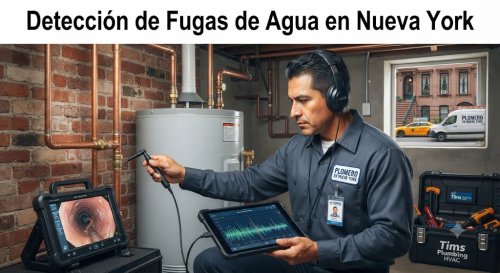
Drain Inspection Cameras: Waterproof push cameras equipped with sondes allow technicians to map exact underground pipe paths and locate faults precisely.
-
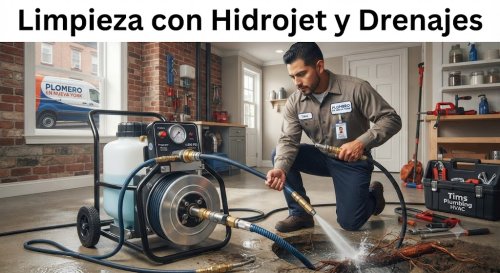
Hydro Jetting Systems: High-pressure water pumps delivering up to 4,000 PSI blast away grease, mineral scale, and stubborn tree roots without damaging healthy pipe walls.
-
Electronic Pipe Locators: Receivers that track the signal of the camera head above ground, pinpointing the exact depth and surface location of a broken pipe beneath landscaping or concrete.
-
Commercial Power Augers: Heavy-duty motor-driven cable machines capable of cutting through thick root masses and solid obstructions miles away from the access point.
-
Trenchless Repair Equipment: Pipe-lining and bursting tools that allow technicians to rehabilitate damaged underground sewer lines without excavating your entire historic courtyard or driveway.
How Long Does the Repair Usually Take?
Repair timelines vary widely based on the complexity of the obstruction and the structural condition of your plumbing system.
-
Simple Drain Clearing: 1 to 2 hours for standard mechanical snaking of a localized blockage.
-
Hydro Jetting Service: 2 to 4 hours depending on the length and condition of the lateral line.
-
Emergency Sewer Clearances: 2 to 5 hours from dispatch to full flow restoration during peak rain events.
-
Major Lateral Repairs or Trenchless Lining: 1 to 3 days depending on permitting, excavation requirements, and municipal coordination.
-
Factors Affecting Time: Pipe depth, accessibility under historic raised foundations, municipal street traffic controls, and the extent of root intrusion.
Cost Factors
Professional plumbing repairs are tailored to the unique specifications of your property. Several variables dictate the final investment.
-
Diagnostic Fees: Standard service call and camera inspection charges.
-
Severity and Location of Blockage: Whether the clog is near the interior stack or out under the municipal sidewalk.
-
Method Required: High-pressure hydro jetting versus traditional excavation or trenchless rehabilitation.
-
Emergency Service Charges: Premium rates applied for dispatching crews during late nights, weekends, or severe weather storms.
-
Accessibility: Working beneath low-clearance raised Uptown cottages versus modern slab construction.
-
Cost Overview: Plumbing repair costs vary depending on the severity of the problem, accessibility, materials required, emergency service, property type, and local labor rates.
Hidden Truths Homeowners Should Know
Operating a home in New Orleans comes with unique structural and environmental realities that every property owner must accept.
-
Small Leaks Become Expensive Repairs: Ignoring a slow-draining sink today almost always leads to a catastrophic main line blockage tomorrow.
-
Cheap Temporary Fixes Fail: Store-bought chemical liquids only eat temporary channels through clogs, leaving residue that hardens further.
-
Insurance May Not Cover Neglected Plumbing: Standard homeowner policies rarely cover water damage resulting from deferred maintenance or old, unmaintained pipes.
-
Tree Roots Return: Unless mechanically removed and treated with root inhibitors, aggressive New Orleans oak roots will re-invade sewer lines within 12 to 18 months.
-
Hard Water and Sediment: Local mineral content accelerates fixture wear, requiring regular descaling of valves and aerators.
-
DIY Mistakes Multiply Costs: Over-tightened fittings and improper snaking techniques can puncture thin vintage pipes, turning a minor clearing job into a major excavation.
-
Delaying Repairs Invites Mold: New Orleans humidity combined with raw sewage creates an environment where toxic mold colonies establish within 24 to 48 hours.
-
Hidden Leaks Spike Bills: Undetected underground sewer leaks waste thousands of gallons, silently eroding soil beneath foundations.
-
Annual Maintenance Pays Off: Scheduling an annual camera inspection prevents emergency midnight overflows.
15 Common Mistakes Homeowners Make
Avoiding these frequent missteps will protect your plumbing system and save you from unnecessary financial stress.
-
Ignoring Early Slow Drains: Waiting until fixtures completely overflow instead of acting on sluggish drainage.
-
Using Chemical Drain Cleaners: Pouring harsh acids down pipes that damage vintage cast-iron and endanger technicians.
-
Flushing Wipes and Hygiene Products: Treating toilets like trash cans by flushing wet wipes labeled "flushable."
-
Pouring Grease Down Kitchen Sinks: Disposing of cooking oil and bacon fat directly into the drain instead of collecting it in a container.
-
Neglecting Main Line Cleanouts: Allowing landscaping or concrete to cover up and seal off vital yard access points.
-
Hiring Unlicensed Handymen: Trusting complex structural sewer repairs to unqualified individuals without permits or insurance.
-
Skipping Preventative Maintenance: Operating older pipes for decades without professional cleaning or inspection.
-
Waiting Until Major Holidays: Delaying service calls until family gatherings or holiday weekends when emergency rates apply.
-
Using Incorrect Pipe Materials: Patching historic pipes with incompatible modern PVC connectors that fail under thermal expansion.
-
Over-Tightening Fittings: Applying excessive wrench force to fragile, aged brass or copper threaded joints.
-
Ignoring Sump Pump Alarms: Failing to test battery backups before heavy seasonal storms hit the Gulf Coast.
-
Planting Trees Near Sewer Lines: Placing water-loving shade trees directly over underground lateral paths.
-
Disposing of Paint and Construction Debris: Washing drywall dust, grout, or paint thinners down household drains.
-
Failing to Know Main Water Shutoff: Not knowing where or how to turn off the water supply during a sudden pipe burst.
-
Relying on Plunger Solutions for Main Lines: Attempting to force a main sewer obstruction with a standard toilet plunger.
Maintenance Tips
Implement these practical, seasonal maintenance strategies to keep your Uptown plumbing system running smoothly year-round.
-
Schedule Annual Camera Inspections: Have a licensed plumber scope your sewer lateral once a year to catch root intrusion early.
-
Install Hair Catchers: Use mesh screens in all showers and tubs to prevent hair and soap scum accumulation.
-
Adopt Greaseless Kitchen Habits: Wipe greasy pans with paper towels before washing them in the sink.
-
Educate Family Members: Ensure everyone in the household understands that only toilet paper and human waste belong in the toilet.
-
Run Enzyme Treatments: Utilize monthly bio-enzymatic drain cleaners that naturally digest organic waste without harming pipes.
-
Clear Yard Debris: Keep your yard cleanout caps tightly sealed and free from dirt, mulch, and overgrowth.
-
Inspect Sump Pumps Seasonally: Test your sump pump before hurricane season by pouring a bucket of water into the basin.
-
Install Backflow Preventers: Ask a plumber about installing a backwater valve to protect your home from municipal main surges.
-
Protect Outdoor Pipes During Freezes: Insulate exposed exterior hose bibs and backflow preventers during rare New Orleans winter freezes.
-
Monitor Water Bills: Keep an eye on monthly water utility bills for unexpected spikes that indicate hidden leaks.
-
Avoid Harsh Chemicals: Opt for mechanical snaking or hydro jetting instead of corrosive liquid drain openers.
-
Trim Tree Roots: Keep major trees near your sewer line pruned and managed with professional root barrier treatments.
-
Check Washing Machine Hoses: Replace rubber washing machine supply hoses with braided stainless steel lines every five years.
-
Flush Water Heaters: Drain sediment from your water heater tank annually to maintain optimal thermal efficiency.
-
Know Your Shutoff Valves: Clearly tag your main water and gas shutoff valves so any family member can operate them in an emergency.
When Should You Call an Emergency Plumber?
Certain plumbing situations cannot wait for regular business hours and require immediate emergency dispatch.
-
Active Sewage Backup: Raw wastewater flowing upward into living spaces, bathtubs, or floor drains.
-
Burst Water Pipes: Sudden structural pipe failure spraying water inside walls or ceilings.
-
Total Loss of Water: Sudden, unexplained loss of water pressure or supply across the entire home.
-
Overflowing Toilets That Won't Stop: Toilets continuously running and spilling over despite shutting off the fixture valve.
-
Gas Line Odors: Any suspicion of a natural gas leak near your water heater or appliances (evacuate immediately and call utility providers).
-
Major Flooding Risks: Rapidly accumulating water in sub-floor areas or living spaces threatening electrical panels.
Frequently Asked Questions
Why is my water pressure suddenly low? Sudden low pressure is usually caused by a partially closed main valve, a failing pressure regulator, or a hidden leak in your supply line.
How much does leak detection cost? Leak detection pricing varies based on the property size, pipe accessibility, and advanced acoustic or thermal equipment required by the technician.
Can a clogged drain damage pipes? Yes. Persistent clogs increase internal hydraulic pressure, which can stress pipe joints and cause cracks or structural bursts over time.
Is hydro jetting safe for old pipes? A licensed plumber must perform a camera inspection first; while safe for sound pipes, hydro jetting can damage severely compromised or collapsed historic lines.
How do I know if my sewer line is broken? Frequent backups, persistent foul odors, soggy lawn patches, and gurgling drains are the primary indicators of a broken sewer line.
How long do water heaters last? Standard tank water heaters typically last between 8 to 12 years, while tankless units can operate efficiently for 15 to 20 years with maintenance.
Why does my faucet drip? Dripping faucets are usually caused by worn-out rubber washers, degraded O-rings, or mineral accumulation inside the valve cartridge.
What causes pipes to burst? Freezing temperatures, extreme age, high municipal water pressure, and heavy soil shifting are the leading causes of pipe bursts.
Can plumbing leaks increase my water bill? Even a small pinhole leak can waste thousands of gallons of water per month, resulting in a significantly inflated municipal utility bill.
When should I replace plumbing instead of repairing it? You should consider full replacement when pipes experience repeated failures, extensive corrosion, material degradation, or frequent root intrusions.