Emergency Plumber in Arabi: Overflowing Toilet Fix
Facing an overflowing toilet in Arabi or St. Bernard Parish? Learn emergency steps, causes, repair costs, and how to hire a local plumber.
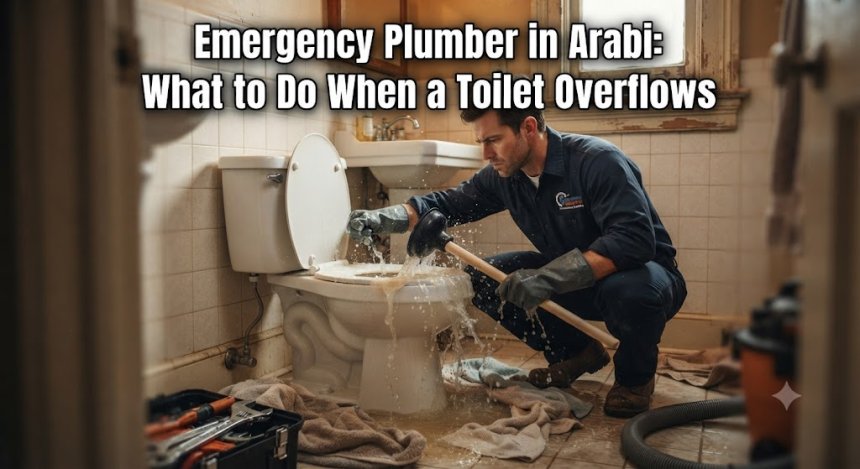
Emergency Plumber in Arabi: What to Do When a Toilet Overflows
Facing a sudden bathroom flood can send any property owner into a state of panic, particularly when wastewater begins spilling out onto finished floors. Homeowners and business owners across Arabi, Chalmette, Meraux, and the greater St. Bernard Parish area frequently encounter unexpected drainage crises due to aging infrastructure, saturated delta soils, and dense neighborhood plumbing networks. When an appliance or fixture fails so drastically, contaminated water threatens your subflooring, drywall, and personal belongings within minutes. Knowing how to secure an emergency plumber in Arabi is essential for mitigating catastrophic property loss and protecting your investment. Immediate action stops structural undermining and hazardous biohazard accumulation, which is why local residents search for professional guidance before a minor clog turns into a major disaster.
What Is an Overflowing Toilet?
An overflowing toilet happens when water enters the bowl faster than it can escape through the drain trap, causing wastewater to spill over the porcelain rim and onto the bathroom floor.
-
Definition: A severe drainage obstruction or mechanical failure that forces water and waste to back up and flood out of the toilet bowl.
-
Common Situations: Flushing inappropriate items like wipes, encountering a blocked main sewer line, or dealing with a malfunctioning tank flapper and fill valve.
-
Symptoms: Rising water levels that do not recede, gurgling sounds from nearby tubs when flushing, slow-draining bowls, and foul odors.
-
Examples: A homeowner in Arabi flushing a toilet only to watch the water level climb straight to the rim and spill across the tile floor.
Why Does This Plumbing Problem Happen?
Understanding the root mechanics of toilet overflows helps property owners prevent recurring plumbing frustrations.
-
Aging Pipes: Older cast iron drain lines develop interior rough patches and scale buildup that catch solid waste easily.
-
Corrosion: Rust and mineral buildup inside flush mechanisms and trapways restrict normal water flow.
-
Tree Roots: Infiltration from nearby oak trees into outdoor sewer laterals blocks overall waste discharge.
-
Hard Water: Heavy mineral content deposits scale inside the toilet trap, narrowing the passage over time.
-
High Water Pressure: Excessive supply pressure can overfill toilet tanks, confusing float mechanisms.
-
Improper Installation: Toilets set unevenly or paired with incorrect flange heights that restrict smooth flushing.
-
Poor Maintenance: Ignoring weak flushes or slow drainage until a total blockage forms.
-
Seasonal Weather: Heavy regional rainstorms can surcharge municipal sewer mains, forcing water backward.
-
Frozen Pipes: While rare in coastal Louisiana, extreme cold can impact uninsulated lines.
-
Clogs: Accumulations of excessive toilet paper, hygiene products, or foreign objects stuck in the trap.
-
Sewer Backups: Main line obstructions stopping all household wastewater from escaping.
-
Worn Plumbing Fixtures: Failing flappers, warped fill valves, or broken trip levers.
Signs You Should Never Ignore
Recognizing early warning signs gives you a critical window to address bathroom drainage issues before a messy overflow strikes.
-
Water Stains: Discoloration on ceilings below bathrooms indicating chronic slow weeping around wax rings.
-
Slow Drains: Bowls that swirl sluggishly or take several minutes to empty completely after a flush.
-
Low Water Pressure: Reduced tank refilling speed pointing to supply valve restrictions.
-
High Water Bills: Unexplained utility spikes caused by running toilet flappers.
-
Damp Walls: Moisture soaking through baseboards near bathroom wet walls.
-
Mold Growth: Musty, earthy odors or mold blooming around the base of the toilet porcelain.
-
Strange Noises: Gurgling sounds bubbling up from the shower drain when the toilet is flushed.
-
Bad Smells: Persistent sewer gas odors lingering around the bathroom floor.
-
Standing Water: Unexplained puddles forming around the toilet base without an active flush.
-
Discolored Water: Murky water backing up into the bowl from compromised waste lines.
Common Plumbing Problems Related to This Issue
An overflowing toilet frequently triggers or accompanies several secondary household plumbing challenges.
-
Pipe leaks: Wastewater seeping through subflooring and rotting wooden floor joists.
-
Drain clogs: Branch line obstructions affecting multiple nearby bathroom fixtures.
-
Sewer backups: Main lateral blockages forcing municipal waste upward into the home.
-
Water heater failures: Floor-level units compromised by standing wastewater.
-
Burst pipes: High-pressure surges cracking aged supply connectors.
-
Slab leaks: Sub-foundation waste line breaks eroding supportive soil beds.
-
Fixture damage: Rotted cabinetry, baseboards, and ruined flooring materials.
Step-by-Step Professional Repair Process
When a licensed plumber responds to an overflowing toilet emergency, they execute a disciplined, multi-step repair protocol.
-
Step 1 Inspection: Locate the toilet supply shutoff valve, assess the extent of the overflow, and inspect the surrounding floor area.
-
Step 2 Diagnosis: Utilize professional augers or camera scopes to identify whether the clog is localized in the fixture trap or deep in the main line.
-
Step 3 Estimate: Provide a transparent, written cost breakdown detailing labor, clearing techniques, and potential replacement parts.
-
Step 4 Repair: Clear the obstruction using commercial-grade closet augers, or remove and reset the toilet with a new wax ring if structural alignment is flawed.
-
Step 5 Testing: Conduct multiple test flushes to ensure smooth, rapid drainage and verify that tank components operate correctly.
-
Step 6 Cleanup: Sanitize affected floor surfaces, remove waste debris, and ensure the bathroom is left clean and safe.
-
Step 7 Maintenance Advice: Offer professional recommendations on proper waste disposal, water-saving flappers, and regular fixture checks.
Can You Fix It Yourself?
While minor clogs can be handled safely, major overflows and recurring backups require professional intervention.
-
Safe DIY Solutions: Removing the tank lid and manually pushing down the flapper valve to stop water from entering the bowl.
-
Temporary Fixes: Using a traditional flange plunger to dislodge simple paper or waste clogs in the trapway.
-
What Homeowners Can Safely Do: Turn off the wall shutoff valve clockwise, place towels around the base, and open windows for ventilation.
-
When DIY Becomes Dangerous: Pouring harsh chemical drain openers into an overflowing bowl can cause dangerous chemical splashes.
-
When Professional Plumbing is Necessary: If plunging fails, if multiple drains back up simultaneously, or if sewage surfaces from the floor drain, call a licensed professional immediately.
Tools Professionals Use
Professional plumbing companies rely on specialized diagnostic and clearing equipment to resolve bathroom emergencies accurately.
-
Drain Cameras: Waterproof push-rod scopes used to inspect interior pipe walls and find deep obstructions.
-
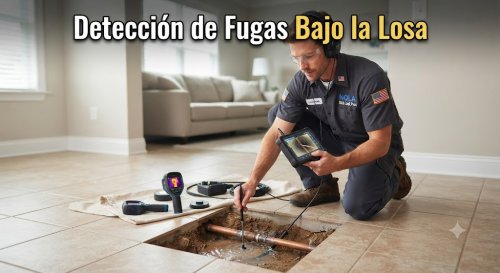
Leak Detection Equipment: Acoustic sensors that pinpoint hidden structural leaks beneath floors.
-
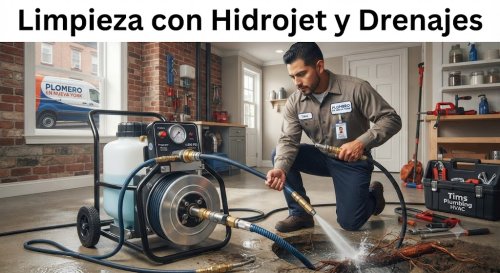
Hydro Jetting: High-pressure water scouring units utilized to clear heavy scale and grease from main lines.
-
Pipe Locators: Radio-frequency transmitters used to map underground waste pathways.
-
Pressure Testing Gauges: Precision instruments used to check system holding capacity.
-
Pipe Inspection Cameras: Advanced optic scopes for detailed joint analysis.
-
Trenchless Equipment: Advanced repair gear for fixing damaged sewer lines without tearing up landscaping.
How Long Does the Repair Usually Take?
-
Simple repairs: 15 to 30 minutes for clearing a standard trap clog with a closet auger.
-
Moderate repairs: 1 to 2 hours for replacing internal tank components, supply lines, or resetting a toilet.
-
Major repairs: 3 to 5 hours for clearing main line blockages or repairing damaged branch drain pipes.
-
Emergency repairs: Immediate shutoff takes seconds, with full permanent restoration completed same-day.
-
Factors Affecting Repair Time: Severity of the blockage, accessibility of the fixture, condition of the subfloor, and need for main line clearing.
Cost Factors
Plumbing repair costs vary depending on the severity of the problem, accessibility, materials required, emergency service, property type, and local labor rates.
-
Diagnostic fees: Flat-rate charges for dispatching a technician to evaluate the backup.
-
Parts: Cost of new fill valves, flappers, wax rings, or replacement toilets if cracked.
-
Labor: Certified technician hours required for clearing lines or resetting fixtures.
-
Emergency service charges: Premium rates for after-hours, weekend, or holiday emergency dispatches.
-
Equipment needed: Specialized deployment of motorized augers or sewer cameras.
-
Permit costs: Municipal fees required for major plumbing overhauls if applicable.
-
Replacement vs repair: Simple unblocking versus installing an entirely new toilet unit.
-
Accessibility of fixtures: Extra labor required if working in cramped powder rooms or damaged subfloor areas.
Hidden Truths Homeowners Should Know
-
Small recurring clogs quickly turn into expensive sewage overflows if ignored.
-
Cheap chemical drain openers fail to clear solid obstructions and corrode pipe materials.
-
Homeowners insurance policies may deny claims if water damage results from neglected plumbing maintenance.
-
Flushing "flushable" wipes will repeatedly choke toilet traps and main sewer lines until stopped entirely.
-
Hard water scale buildup narrows trapways, making toilets prone to frequent clogging.
-
DIY plumbing mistakes can crack fragile porcelain or strip tank bolts, increasing repair costs.
-
Delaying professional repairs causes subfloor rotting, ruined flooring, and structural damage.
-
Hidden wastewater leaks drive up monthly utility bills and breed hazardous bacteria.
-
Mold develops rapidly in humid Louisiana environments, blooming within 24 hours of moisture exposure.
-
Annual plumbing maintenance saves thousands of dollars in emergency extraction and repair fees.
15 Common Mistakes Homeowners Make
-
Flushing wipes: Disposing of wet wipes, paper towels, or hygiene products down the toilet.
-
Using chemical drain cleaners: Pouring harsh acids that damage porcelain and metal pipes.
-
Over-plunging with the wrong tool: Using a flat sink plunger instead of an effective flange toilet plunger.
-
Ignoring slow flushes: Waiting until a complete overflow floods the bathroom.
-
Hiring unlicensed handymen: Risking substandard repairs that fail under pressure.
-
Skipping maintenance: Failing to inspect tank components and flappers annually.
-
Waiting until emergencies: Delaying service until total fixture blockage occurs.
-
Using excessive toilet paper: Dropping massive wads of paper in a single flush.
-
Over-tightening tank bolts: Cracking the porcelain tank or bowl during DIY repairs.
-
Failing to locate shutoff valves: Panicking during an overflow because the wall valve is stuck.
-
Disposing of grease: Pouring cooking fats down sinks that connect to the same waste line.
-
Neglecting wax ring leaks: Ignoring small water pools around the base until the floor rots.
-
Forgetting flapper replacements: Allowing worn flappers to run continuously and waste water.
-
Delaying subfloor repairs: Trapping moisture beneath flooring and encouraging mold growth.
-
Not checking meter dials: Overlooking utility movement that signals hidden water waste.
Maintenance Tips
-
Only flush human waste and standard toilet paper down your toilet bowl.
-
Keep a reliable flange-style toilet plunger handy in every bathroom.
-
Inspect the wall shutoff valve semi-annually to ensure it turns smoothly without leaking.
-
Replace worn toilet flappers and fill valves every 3 to 5 years.
-
Check the base of the toilet regularly for wobbling or moisture seeping from the wax ring.
-
Avoid using harsh chemical drain cleaners that damage porcelain and plumbing seals.
-
Schedule an annual plumbing inspection to catch slow drains before they back up.
-
Keep emergency plumber contact numbers saved in your mobile phone.
-
Educate all household members on what items are strictly prohibited from being flushed.
-
Test your main water shutoff valve regularly so you can act fast in an emergency.
-
Clean mineral scale from rim jets periodically to maintain powerful flush performance.
-
Ensure bathroom exhaust fans are used consistently to control humidity and moisture.
-
Monitor monthly water bills for unexplained consumption spikes.
-
Use enzyme-based drain maintenance products recommended by professional plumbers.
-
Clear bathroom sink and shower hair traps to prevent branch line crowding.
When Should You Call an Emergency Plumber?
-
Burst pipes: High-volume water spraying uncontrollably inside living areas.
-
Sewage backup: Contaminated wastewater flooding upward through toilets, tubs, and floor drains.
-
No running water: Complete loss of municipal water supply without neighborhood outages.
-
Overflowing toilet: A bowl rising uncontrollably despite shutting off the fixture valve.
-
Gas line concerns: Smelling sulfur or rotten eggs near gas-powered appliances.
-
Major water leaks: Uncontrolled flooding from broken supply or waste lines.
-
Flooding: Standing water accumulating rapidly from severe plumbing failures.
Frequently Asked Questions
-
Why is my water pressure suddenly low? Sudden pressure drops usually stem from a partially closed main valve, a failing pressure-reducing valve, or a hidden supply leak.
-
How much does leak detection cost? Costs vary based on property size and equipment required, but professional electronic detection provides precise results to save on excavation costs.
-
Can a clogged drain damage pipes? Yes, prolonged pressure from severe clogs and chemical cleaners can crack pipe joints and lead to major leaks.
-
Is hydro jetting safe for old pipes? A licensed plumber evaluates pipe age and material before adjusting water pressure levels to ensure safe, effective cleaning.
-
How do I know if my sewer line is broken? Frequent backups across multiple fixtures, soggy yard patches, and foul odors point directly to a compromised sewer lateral.
-
How long do water heaters last? Standard tank water heaters generally last between 8 to 12 years with proper annual maintenance.
-
Why does my faucet drip? Dripping faucets usually stem from worn-out internal washers, O-rings, or corroded valve seats.
-
What causes pipes to burst? Pipes burst due to severe water pressure, extreme freezing temperatures, heavy corrosion, or physical ground shifts.
-
Can plumbing leaks increase my water bill? Even a small hidden leak can waste hundreds of gallons daily, driving up utility bills significantly.
-
When should I replace plumbing instead of repairing it? If your home has heavily corroded pipes or recurring severe clogs, a full plumbing update is safer and more cost-effective.