Why Does My New Orleans Home Smell Like Sewer Gas?
: Discover why your New Orleans home smells like sewer gas. Learn common causes like dry P-traps and broken vents, warning signs, and when to call a plumber
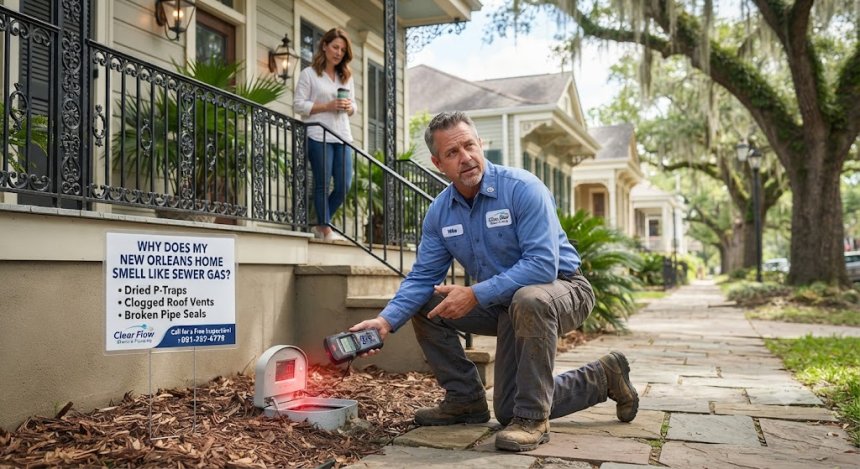
Why Does My New Orleans Home Smell Like Sewer Gas?
Walking into your home only to be greeted by the unmistakable, rotten-egg stench of sewer gas is an immediate mood killer. For homeowners and business owners across New Orleans, from historic properties in the French Quarter and Uptown to residences in Metairie and Kenner, foul odors are more than just an unpleasant nuisance. They are a clear warning sign that your plumbing system's protective barriers have failed.
People frequently search for answers when this odor arises because sewer gas contains noxious compounds that can cause headaches, nausea, and health concerns, while also pointing to dangerous underlying plumbing issues. This comprehensive guide will walk you through why this happens, how to identify the cause, and when to bring in a licensed professional.
What Is Sewer Gas Odor in a Home?
Sewer gas is a complex mixture of toxic and non-toxic gases—including hydrogen sulfide, methane, ammonia, and carbon dioxide—that result from the breakdown of organic household waste. Under normal conditions, your plumbing architecture is designed to trap these gases safely inside the pipes and vent them out through your roof.
Common situations involve a sudden or intermittent sulfur smell near a bathroom sink, floor drain, or laundry room. For example, if you walk into your guest bathroom and smell raw sewage every time the air conditioner kicks on, your system's vapor barriers are likely compromised.
Why Does This Plumbing Problem Happen?
Sewer gas leaks occur when the airtight and watertight seals of your plumbing network fail. In the Greater New Orleans area, several local and mechanical factors frequently contribute to this issue:
1. Dried-Out P-Traps
Every plumbing fixture (sink, tub, shower, floor drain) features a U-shaped pipe underneath called a P-trap. This trap is designed to hold a small amount of water, creating an impenetrable liquid seal that blocks sewer gas from rising into your living space. If a drain goes unused for weeks—such as in a guest room or basement—the water evaporates, breaking the seal and letting gas flood the room.
2. Clogged or Damaged Plumbing Vents
Your roof features vent stacks that allow sewer gases to escape harmlessly into the outside atmosphere. In New Orleans, severe weather, falling oak leaves, or animal nests can clog these stacks. Without proper venting, air pressure fluctuations can force P-trap water out of fixtures, releasing gas indoors.
3. Aging Pipes and Corrosion
Older homes throughout Orleans and Jefferson Parishes often feature aging cast iron or clay vent pipes. Over decades, corrosion creates cracks, pinholes, or completely severed lines inside walls or crawlspaces, allowing gas to seep directly into living spaces.
4. Cracked Wax Rings or Loose Toilet Seals
Beneath every toilet is a wax ring sealing the fixture to the floor drain opening. If this seal degrades or if the toilet rocks due to a loose floor flange, sewer gas escapes around the base of the toilet bowl.
Signs You Should Never Ignore
When sewer gas enters your home, your senses act as an early alarm system. Never ignore these critical red flags:
-
Rotten-Egg or Sulfur Odors: The most obvious indicator of hydrogen sulfide gas escaping from your lines.
-
Slow-Draining Fixtures: Gurgling or sluggish drains often accompany venting failures and trap issues.
-
Unexplained Nausea or Headaches: Low-level exposure to sewer gases over time can cause chronic indoor air quality symptoms for family members.
-
Damp Walls or Ceiling Stains: Water leaks near vent stacks can cause structural dampness alongside gas leaks.
-
Pest Activity: Cracks in sewer or vent lines can invite insects and rodents into your home.
Common Plumbing Problems Related to This Issue
A sewer gas odor rarely exists in a vacuum; it often points to broader infrastructural failures:
-
Drain Clogs: Blockages that create negative pressure and pull water out of P-traps.
-
Sewer Backups: Severe main line restrictions forcing gases and waste backward.
-
Pipe Leaks and Cracks: Compromised vent or waste pipes leaking gas behind finished walls.
-
Fixture Seal Failures: Degraded wax rings and worn-out plumbing gaskets.
Step-by-Step Professional Repair Process
When you hire a licensed plumbing professional in New Orleans, they follow a rigorous troubleshooting and repair protocol:
Step 1: Comprehensive Odor Inspection The plumber evaluates the layout, inspects all fixtures, and tests P-trap water levels to locate the source of the gas leak.
Step 2: Smoke Testing or Camera Diagnosis If the source isn't obvious, professionals pump a non-toxic, odorless smoke through the plumbing vent system. Wherever smoke escapes indicates an invisible crack, break, or unsealed pipe.
Step 3: Upfront Estimate The technician presents their findings clearly and provides an upfront cost estimate for the required repair or replacement.
Step 4: Targeted Repair The plumber executes the fix, which might include replacing a dried P-trap, resetting a toilet with a new wax ring, clearing a blocked roof vent, or repairing a cracked vent pipe.
Step 5: System Testing After completing the repair, the plumber tests the system to ensure the odor is completely gone and airtight integrity is restored.
Step 6: Site Cleanup The workspace is meticulously cleaned, leaving your home spotless.
Step 7: Maintenance Advice The professional provides guidance on how to prevent future trap evaporation and ventilation issues.
Can You Fix It Yourself?
Some minor causes of sewer gas smells can be resolved safely on your own, while others require immediate professional intervention.
Safe DIY Actions:
-
Refilling Dry Traps: Pour a bucket of water down rarely used floor drains, guest bathroom sinks, or utility tubs to restore the P-trap liquid seal.
-
Cleaning Drain Assemblies: Removing hair and organic slime buildup from bathroom sink stoppers and overflow holes where trapped debris can create localized odors.
When DIY Becomes Dangerous:
Attempting to cut into walls to fix cracked cast iron vent stacks, climbing steep roofs to clear blocked vent lines without safety equipment, or ignoring persistent gas odors is hazardous. Hydrogen sulfide in high concentrations can be toxic, and structural plumbing repairs require code-compliant materials and licensed expertise.
Tools Professionals Use
Professional plumbers utilize advanced diagnostic equipment to find invisible gas leaks quickly:
-
Plumbing Smoke Machines: Blows dense, visible smoke through waste and vent systems to expose hidden pipe cracks.
-
Drain Inspection Cameras: Allows technicians to view the interior of vent stacks and waste lines.
-
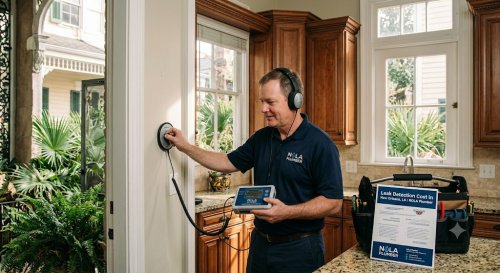
Gas Leak Detectors: Electronic sensors that measure atmospheric gas concentrations to pinpoint exact leak locations.
-
Pipe Locators: Equipment used to trace hidden lines behind walls or underground.
How Long Does General Repair Usually Take?
The timeline to resolve a sewer gas issue depends entirely on the root cause:
-
Simple Fixes (Refilling Traps, Replacing Wax Rings): Usually takes 30 minutes to 1 hour.
-
Clearing Roof Vent Stacks: Takes roughly 1 to 2 hours.
-
Major Repairs (Replacing Cracked Vent Pipes Inside Walls): Can take 1 to 2 days depending on access and wall restoration requirements.
Cost Factors
Plumbing repair costs vary depending on the severity of the problem, accessibility, materials required, emergency service, property type, and local labor rates.
Key elements that influence your service estimate include:
-
Diagnostic Complexity: Using smoke testing or electronic gas detectors for hard-to-find leaks.
-
Location of the Breach: A broken vent pipe hidden inside a finished drywall ceiling costs more to access than an exposed trap under a sink.
-
Materials Required: Replacing standard PVC connectors versus repairing historic cast iron infrastructure.
-
Emergency Dispatch Fees: Calls placed outside normal business hours.
Hidden Truths Homeowners Should Know
Keep these practical realities in mind regarding plumbing odors:
-
Small Odors Signify Real Breaches: A faint sulfur smell is never just "an old house smell"—it is a physical gap in your waste gas barrier.
-
Cheap Temporary Fixes Fail: Masking the smell with air fresheners does nothing to stop toxic gas entry.
-
Insurance Gaps: Standard homeowners insurance rarely covers gradual wear-and-tear plumbing infrastructure decay.
-
Health Impacts: Prolonged exposure to sewer gas can cause chronic headaches and fatigue.
-
Mold Correlation: Where sewer gas escapes, moisture often follows, leading to hidden mold growth.
-
Annual Maintenance Saves Money: Professional checkups catch failing seals before they become toxic indoor air quality issues.
15 Common Mistakes Homeowners Make
Avoid these frequent pitfalls to keep your home smelling fresh:
-
Ignoring Intermittent Odors: Brushing off smells that only appear on certain days.
-
Using Air Fresheners Instead of Fixing Leaks: Masking symptoms rather than addressing root causes.
-
Allowing Floor Drains to Dry Out: Forgetting to run water in basement or laundry floor traps.
-
Hiring Unlicensed Handymen: Risking improper venting and code violations.
-
Flushing Improper Wipes: Causing main line restrictions that stress vent systems.
-
Skipping Annual Plumbing Inspections: Failing to catch cracked seals early.
-
Over-Tightening Fixture Bolts: Cracking porcelain bases and breaking seals.
-
Using Chemical Drain Cleaners on Traps: Corroding metal traps and worsening leaks.
-
Neglecting Roof Vent Maintenance: Allowing leaves and debris to block airflow.
-
Ignoring a Rocking Toilet: Allowing the wax ring to degrade and leak gas.
-
Improper DIY Pipe Slopes: Creating sagging traps during amateur remodels.
-
Forgetting Main Cleanout Caps: Leaving outdoor cleanouts open to ambient air and pests.
-
Delaying Repairs: Allowing minor gas leaks to impact indoor air quality over months.
-
Using Incompatible Pipe Materials: Mixing cast iron and PVC improperly.
-
Failing to Locate Shut-Offs: Wasting time during emergency plumbing events.
Maintenance Tips
Protect your home environment with these practical preventative strategies:
-
Run Water Regularly: Flush guest sinks and floor drains monthly to keep P-traps full.
-
Inspect Toilet Bases: Check periodically for moisture or wobbling around floor bolts.
-
Keep Roof Vents Clear: Inspect your roof line after severe autumn storms or high winds in New Orleans.
-
Clean Drain Stoppers: Remove hair and soap scum buildup from bathroom sinks and tubs regularly.
-
Schedule Annual Inspections: Have a professional plumber review your drainage and venting health.
When Should You Call an Emergency Plumber?
Certain situations require immediate, 24/7 plumbing intervention:
-
Overwhelming Gas Odors: When the smell of sewer gas is so intense it causes physical symptoms like dizziness or nausea.
-
Simultaneous Backups and Odors: When gas smells are accompanied by slow drains or sewage bubbling up.
-
Suspected Natural Gas Mix-Ups: If you cannot differentiate between sewer gas and natural gas leaks, evacuate immediately and call emergency utility services.
Frequently Asked Questions
Why is my water pressure suddenly low? Sudden low pressure can stem from a main service line restriction, a partially closed shut-off valve, or a hidden leak. A professional pressure test will identify the root cause.
How much does leak detection cost? Leak detection costs vary based on pipe accessibility and whether specialized electronic listening or thermal imaging equipment is required. Reputable providers offer clear upfront rates.
Can a clogged drain damage pipes? Yes. Persistent blockages increase internal hydrostatic pressure, causing joints to leak, seals to blow, or weakened pipes to crack.
Is hydro jetting safe for old pipes? When performed by a trained professional following a pre-inspection camera check to verify structural integrity, hydro jetting is safe and exceptionally effective for restoring old lines.
How do I know if my sewer line is broken? Key indicators include multiple slow drains, gurgling sounds, unpleasant sewage odors in the yard, and lush, damp patches of grass over the pipe path.
How long do water heaters last? Standard tank water heaters typically last between 8 to 12 years, depending on maintenance, water hardness, and anode rod replacement.
Why does my faucet drip? Dripping faucets are usually caused by worn-out rubber washers, O-rings, or corroded valve seats inside the fixture handle.
What causes pipes to burst? Pipes typically burst due to extreme internal pressure spikes, severe clogs, physical ground shifting, or freezing temperatures.
Can plumbing leaks increase my water bill? Absolutely. Even a small, hidden underground leak can waste thousands of gallons over a billing cycle, driving utility costs up drastically.
When should I replace plumbing instead of repairing it? If your pipes experience frequent recurring failures, extensive corrosion, or widespread material degradation, replacement is far more cost-effective long-term than endless patch repairs.
Why Choose Our Plumbing Company
When you partner with Plumber in New Orleans, you get a dedicated team committed to excellence:
-
Experienced Licensed Plumbers: Fully certified professionals trained in local plumbing codes.
-
Honest Recommendations: Straightforward advice tailored to your home's actual needs.
-
Upfront Estimates: Transparent pricing with zero hidden fees or surprise charges.
-
Fast Response & Emergency Availability: Ready to assist across New Orleans, Metairie, Kenner, and surrounding neighborhoods 24/7.
-
Modern Equipment: Utilizing state-of-the-art smoke testing and camera diagnostic tech.
-
Local Expertise: Deep familiarity with New Orleans soil, historical architecture, and municipal infrastructure.