Leak Detection Cost in New Orleans, LA | NOLA Plumber
Wondering how much leak detection costs in New Orleans? Learn about pricing factors, warning signs, local pipe risks, and non-invasive detection methods

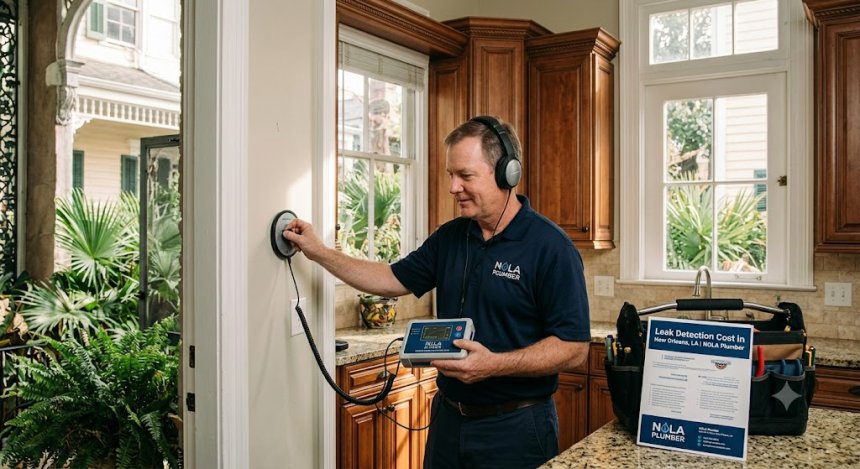
Leak Detection Cost in New Orleans, LA | NOLA Plumber
Few things give a homeowner a sinker in the pit of their stomach quite like an unexpectedly high water bill or the unexplained sound of running water when every faucet is turned off. In New Orleans, where historical architecture, unique soil conditions, and high humidity intersect, hidden water leaks are a common and potentially destructive problem.
Whether you own a historic Victorian in the Garden District, a classic shotgun home in Mid-City, or a commercial space in the Central Business District, understanding leak detection costs and procedures before calling a professional gives you clarity and confidence. This guide breaks down everything you need to know about water leak detection in the Crescent City, from red flags to professional diagnostic processes.
What Is Leak Detection?
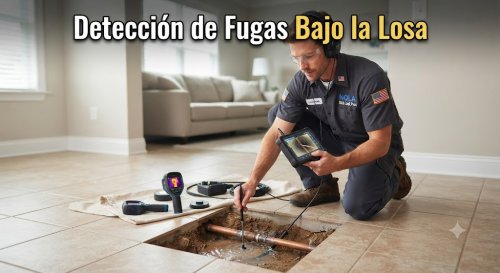
Leak detection is the specialized practice of pinpointing hidden water or sewer line leaks without needlessly tearing open walls, ripping up historic floors, or excavating yards.
In a standard plumbing system, water travels through supply lines under pressure and exits through drain or sewer pipes via gravity. When a break, crack, or pinhole pit occurs within this closed network, water escapes into unseen areas—behind drywall, inside ceilings, beneath raised foundations, or under concrete slabs.
Common Situations and Examples
-
Under-Slab Leaks: Water supply lines running under your concrete foundation corrode or shift, leaking water continuously under the house.
-
Intra-Wall Leaks: A slow pinhole leak in a copper pipe behind the bathroom wall drips onto structural studs and insulation.
-
Underground Yard Leaks: Tree roots penetrate the main water service line running beneath your front lawn.
Why Do Hidden Water Leaks Happen in New Orleans?
Our unique local environment creates a perfect storm for plumbing pipeline degradation and shifting.
       [ Local Environmental & Plumbing Factors ]
                           │
 ┌─────────────────────────┼─────────────────────────┐
 │                         │                         │
 ▼                         ▼                         ▼
[ Subsidence & Soil ]   [ High Humidity ]     [ Aging Infrastructure ]
 (Expansive clay shifts   (Accelerates mold &   (Galvanized/cast iron
  and pulls pipes)        damp conditions)       corrodes over time)
-
Soil Subsidence and Shifting: New Orleans soil is largely composed of soft, organic clay and marshlands. As the water table fluctuates, the ground shifts and settles, placing immense stress on rigid underground water and sewer pipes.
-
Aging Infrastructure: Many historic NOLA homes still contain original galvanized iron or early copper piping. Over decades, metal reacts with water minerals, causing internal corrosion and pinhole leaks.
-
Corrosive Soil and Water: High mineral content and wet soil conditions accelerate the external oxidation of buried metal pipes.
-
Tree Root Intrusion: Fast-growing local vegetation, such as Live Oaks and Crape Myrtles, naturally seek out moisture sources, invading underground pipe joints.
-
Temperature and Pressure Fluctuations: Even slight thermal shifts or municipal water pressure spikes can burst vulnerable, aging pipe connections.
Signs You Should Never Ignore
Hidden leaks rarely stay hidden forever. Catching the subtle early warning signs saves thousands of dollars in secondary structural damage.
-
Unexplained High Water Bills: A sudden increase in water usage without a change in household habits is the primary indicator of a continuous leak.
-
Sound of Running Water: Hearing a faint hissing or rushing sound behind walls or under floors when all water fixtures are completely turned off.
-
Damp Spots or Warm Flooring: Hot water line slab leaks often create noticeable "hot spots" on hardwood, tile, or carpeted floors.
-
Cracked Drywall or Peeling Paint: Water traveling along timber framing causes drywall to soften, bubbling paint and loosening wallpaper.
-
Musty Odors and Mold Growth: Persistent dampness behind walls or under subfloors creates an ideal environment for mold and mildew in our humid NOLA climate.
-
Cracked Foundations or Soil Erosion: Sinking paving stones, soft spots in the yard, or new cracks in brick exterior walls can stem from underground water washouts.
Common Plumbing Problems Related to Hidden Leaks
A leak is often a symptom of a broader plumbing system issue. Unaddressed leaks frequently lead to:
-
Slab Leaks: Water lines under concrete foundations rupture, threatening the structural integrity of the slab.
-
Sewer Main Line Cracks: Waste water leaking into surrounding soil, causing localized sinkholes or yard backups.
-
Structural Timber Rot: Water seeping into floor joists and wall studs in raised Creole cottages and shotgun homes.
-
Water Heater Line Breaks: Corroded connections on top of or beneath water heaters causing continuous drip cycles.
Step-by-Step Professional Leak Detection Process
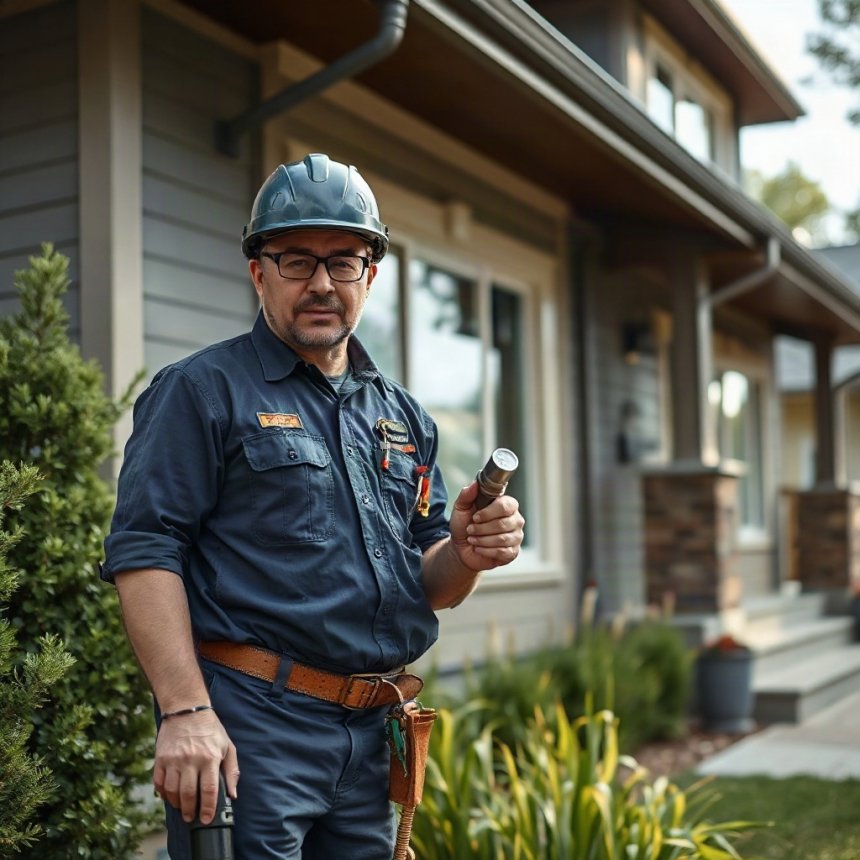
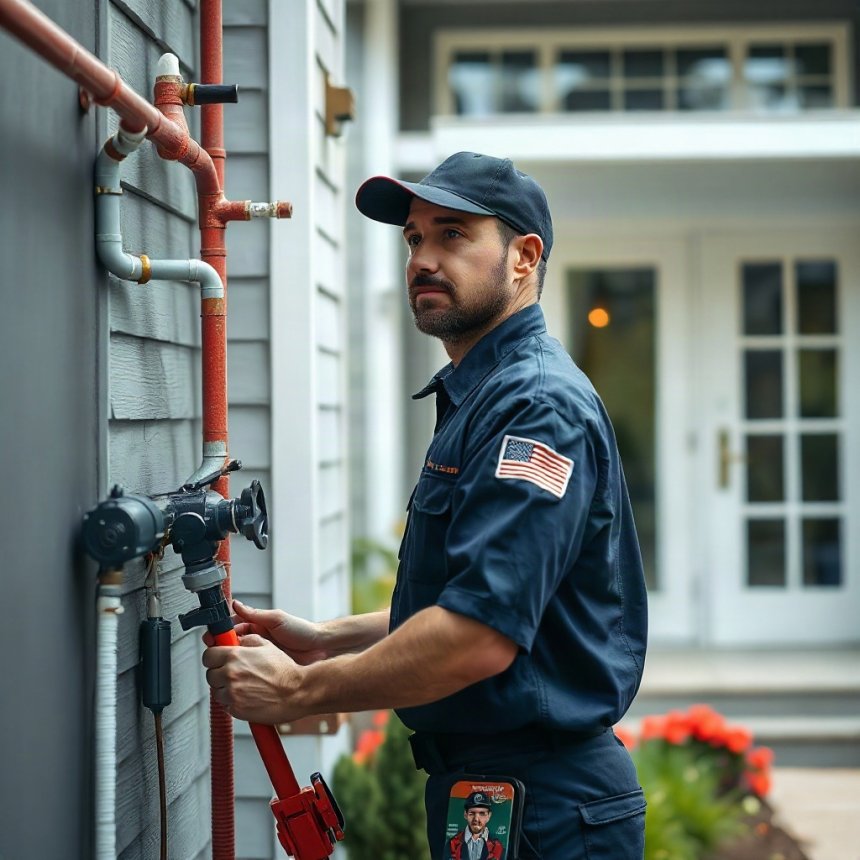
When you hire a licensed plumber in New Orleans, they follow a systematic methodology to locate the exact source of a leak without unnecessary property destruction.
[1. Meter & Pressure Test] ──► [2. Acoustic / Thermal Scan] ──► [3. Isolation Test]
                                                                        │
[6. Repair & Restoration]  ◄── [5. Clear Upfront Estimate] ◄── [4. Precise Location Marked]
Step 1: Initial System Inspection & Meter Check
The technician inspects your primary water meter to verify active water flow and check static water pressure levels across your system.
Step 2: System Pressure Testing
By isolating cold and hot water lines and applying air or water pressure, the plumber confirms which specific branch is losing pressure.
Step 3: Acoustic and Thermal Diagnostics
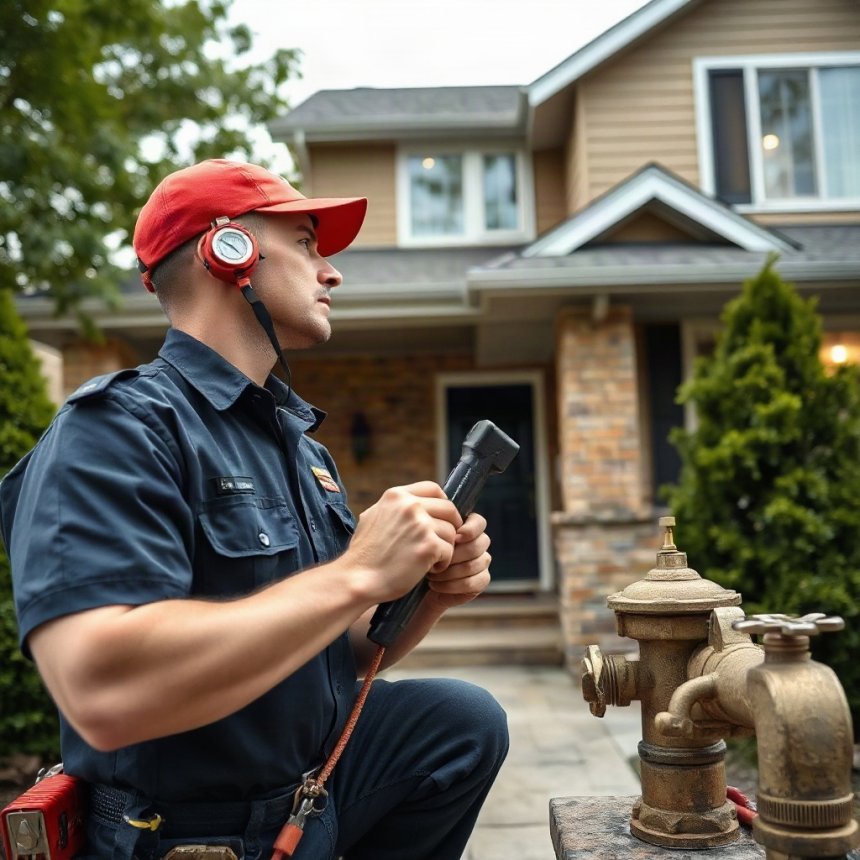
Using specialized acoustic listening discs and ground microphones, the plumber listens for the specific sound frequencies emitted by pressurized water escaping a pipe. Thermal imaging cameras identify temperature shifts along floors and walls.
Step 4: Line Locating
Electromagnetic pipe locators map the exact path and depth of buried supply lines beneath soil or concrete.
Step 5: Direct Isolation and Marking
The precise location of the leak is identified and marked on the surface, minimizing the excavation footprint needed for the repair.
Step 6: Upfront Repair Plan
The plumber presents a detailed breakdown of the required repair options, timelines, and costs before any physical invasive work begins.
Step 7: Final Verification and System Testing
After the repair is completed, a secondary pressure test confirms the entire plumbing system is 100% sealed.
Can You Fix It Yourself?
While basic plumbing maintenance (like replacing a faucet washer or flapper valve) is suitable for homeowners, hidden leak detection and repair should not be treated as a DIY project.
-
Safe DIY Actions:
-
Reading your water meter to confirm whether an active leak exists.
-
Checking toilet tanks with food coloring to rule out internal flapper leaks.
-
Inspecting exposed supply lines under sinks, behind toilets, and around washing machines.
-
-
Risks of DIY Leak Detection:
-
Destructive Guesswork: Jackhammering concrete or cutting opening drywall based on guesswork leads to unnecessary property damage.
-
Misdiagnosis: Water travels along pipes and structural beams, often dripping far from the actual point of rupture.
-
Safety Hazards: Inexperienced digging near utility lines or breaking gas/electrical conduits under slabs.
-
Tools Professionals Use for Non-Invasive Leak Detection
Modern leak detection relies on advanced, non-destructive technology:
| Tool | Purpose | How It Works |
| Acoustic Ground Microphones | Surface leak detection | Amplifies structural vibration sounds made by escaping water through soil and concrete. |
| Thermal Imaging Cameras | Wall and floor scans | Identifies subtle temperature variations caused by hidden hot or cold water pooling. |
| Tracer Gas Analyzers | Non-conductive pipe scans | Pumps safe, inert gas into pipes; sensors detect escaping gas molecules through thick slabs. |
| Digital Pipe Locators | Mapping pipe lines | Transmits electromagnetic signals to track exact location and depth of buried lines. |
| Sewer Video Cameras | Interior pipe inspection | Flexible fiber-optic cameras travel inside waste lines to find cracks, roots, or collapses. |
How Long Does Leak Detection and Repair Take?
-
Simple Diagnostic & Surface Repair: 1 to 3 hours (e.g., exposed pipe leak or fixture valve issue).
-
Moderate Hidden Leak Detection: 2 to 4 hours (e.g., locating a pinhole leak behind drywall or within ceiling cavities).
-
Complex Underground or Slab Leak Detection: 3 to 6 hours (e.g., mapping deep lines beneath concrete or complex commercial layouts).
-
Slab Leak Repair (Direct Reroute or Access): 1 to 2 days depending on chosen access methods (jacking vs. line rerouting).
Leak Detection Cost Factors in New Orleans
Plumbing inspection and leak detection costs vary based on issue severity, pipe accessibility, required technology, emergency timing, and structural layout.
             [ Key Cost Influencers ]
                        │
 ┌──────────────────────┼──────────────────────┐
 │                      │                      │
 ▼                      ▼                      ▼
[ Access & Depth ]    [ Equipment Used ]    [ Service Timing ]
(Under slab vs.       (Acoustic, Thermal,    (Standard hours vs.
 exposed walls)        Tracer Gas, Camera)    24/7 Emergency)
-
Type and Location of the Leak: Locating a leak exposed inside a crawlspace requires significantly less diagnostic labor than finding a pinhole leak beneath a monolithic concrete slab.
-
Diagnostic Equipment Required: Basic pressure checks require standard gauges, while complex sub-slab pinpoints utilize specialized acoustic and tracer gas equipment.
-
Accessibility: Historic raised homes with crawlspace access allow easier entry than modern slab foundations or multi-story structures.
-
Emergency vs. Standard Scheduling: After-hours, weekend, or holiday service calls naturally carry higher labor rates than standard business hours.
-
Repair Strategy (Spot Repair vs. Pipe Rerouting): Repairing a section directly under concrete involves physical excavation, whereas abandoning the leaking line and rerouting a new line through attic space or walls presents a different cost profile.
-
Permit Requirements: Major water main line or sewer line replacements in Orleans Parish or Jefferson Parish may require local municipal permitting.
Hidden Truths Homeowners Should Know
-
Small Leaks Create Exponential Costs: A pinhole leak releasing just 1/32 of an inch of water per minute wastes over 6,000 gallons of water per month.
-
Insurance Rarely Covers Neglected Leaks: Most homeowner insurance policies cover sudden, accidental water discharge, but deny claims resulting from long-term, unaddressed leaks.
-
Chemical Cleaners Do Not Fix Leaks: Pouring corrosive chemical drain cleaners into slow pipes degrades metal joints, creating new leaks.
-
Soil Movement Is Continuous in NOLA: Ground settling beneath your home continues year-round; proactive inspections prevent sudden catastrophic failures.
-
Thermal Cameras Alone Aren't Enough: Infrared identifies thermal differences, but comprehensive testing requires pressure gauges and acoustic verification to prevent false positives.
15 Common Mistakes Homeowners Make
-
Waiting Until Water Appears on the Floor: Ignoring high utility bills until physical water breaks through surfaces creates secondary structural damage.
-
Turning off the Meter and Ignoring the Issue: Shutting down water temporarily doesn't fix line degradation; pressure returns as soon as it's turned back on.
-
Using Excess Force on Valves: Forcing old, corroded main shutoff valves can break the valve stem completely.
-
Hiring Unlicensed Labor: Uninsured handymen using generic equipment can misdiagnose leak locations, causing unnecessary property damage.
-
Ignoring Water Pressure Spikes: Water pressure over 80 PSI stretches pipe joints and breaks appliances; always use a regulator.
-
Covering Up Mold Without Fixing the Water Source: Painting over water stains or mold growth traps moisture inside wall cavities.
-
Assuming Concrete Slabs Block Water: Water under pressurized lines will eventually carve channels through slab concrete or subflooring.
-
Placing Heavy Equipment Over Pipe Routes: Parking vehicles or heavy machinery over shallow underground water service lines risks line crushing.
-
Skipping Whole-House Pressure Tests: Fixing one leak without checking remaining system pressure often causes adjacent weak points to fail.
-
Pouring Grease Down Drains: FATS (Fats, Oils, Grease) harden inside lines, backing up pressure and cracking older joints.
-
Neglecting Backflow Testing: Allowing dirty irrigation or outdoor hose water to back siphon into clean water supply lines.
-
Over-tightening Threaded Joints: Over-torquing brass or copper fittings fractures threaded plastic or thin metal adapters.
-
Ignoring Small Water Heater Drips: Temperature-pressure relief valve drips indicate dangerous pressure build-up or tank failure.
-
Forgetting Main Shut-Off Valve Locations: Not knowing where your main shut-off valve is during an active burst pipe emergency.
-
Delaying Annual Plumbing Inspections: Skipping routine health checks on aging NOLA plumbing systems until a major line breaks.
Practical Maintenance Tips for New Orleans Homes
-
Test Your Main Water Shut-Off Valve: Exercise your main water valve twice a year to ensure it turns smoothly during an emergency.
-
Monitor Your Monthly Water Meter: Check your water meter regularly when no water is running. If the leak indicator dial moves, you have an active leak.
-
Install a Whole-Home Water Pressure Regulator: Keep household pressure regulated between 50 and 70 PSI to protect pipe connections.
-
Replace Rubber Washer Hoses with Braided Stainless Steel: Stainless steel supply lines on washing machines and toilets resist burst failure.
-
Schedule Annual Sewer Line Inspections: If your property features mature shade trees, run a video camera down sewer lines annually to catch root intrusion early.
-
Insulate Exposed Outdoor Piping: While NOLA winters are generally mild, sudden hard freezes can burst uninsulated exterior lines.
-
Clear Foundation Drain Outlets: Keep gutters and ground drainage clear so standing water doesn't pool against crawlspace footings.
-
Inspect Crawlspaces Seasonally: Perform visual checks under raised shotgun or cottage homes for damp soil or dripping subfloor joists.
When Should You Call an Emergency Plumber?
Certain situations require immediate professional intervention to prevent severe property destruction or health hazards:
                  [ Emergency Plumbing Triggers ]
                                 │
 ┌───────────────────────────────┼───────────────────────────────┐
 │                               │                               │
 ▼                               ▼                               ▼
[ Active Burst Pipes ]       [ Major Sewage Backups ]      [ Uncontrolled Flooding ]
 (Gallons leaking per         (Waste entering living       (Rising water threatening
  minute; shut off main)       spaces or fixture drains)    electrical circuits)
-
Active Pipe Ruptures: Water actively pouring from ceilings, walls, or subfloors.
-
Complete Loss of Water Pressure or Water Supply: System-wide pressure drops indicating a main supply line break.
-
Sewer Backups Into Living Spaces: Wastewater flowing backward out of floor drains, bathtubs, or toilets.
-
Uncontrollable Water Flow: Main line leaks occurring before your home's main shutoff valve.
Frequently Asked Questions
Why is my water bill suddenly so high when usage hasn't changed?
An unexplained spike in your water bill is often the first warning sign of a hidden water leak. Continuous pinhole leaks in supply lines running behind drywall or under concrete slabs can waste hundreds of gallons daily.
How much does leak detection cost in New Orleans, LA?
Leak detection costs vary based on the complexity of the issue, pipe accessibility (raised home vs. slab foundation), required equipment, and service timing. A licensed plumber provides an upfront diagnostic assessment before work begins.
Can a hidden leak cause structural damage to my home?
Yes. Continuous water exposure softens drywall, rots floor joists, ruins subfloors, and promotes mold growth. Under-slab leaks can erode supporting soil, leading to foundation cracks and settling.
Will home insurance cover the cost of leak detection and repair?
Most insurance policies cover sudden and accidental water damage resulting from a burst line, including the access work required to reach the leak. However, gradual damage caused by ongoing lack of maintenance is typically excluded. Always review your specific coverage terms.
What is the difference between a spot repair and a line reroute?
A spot repair involves opening up a specific wall, floor, or slab section to fix the damaged pipe section. A line reroute abandons the old buried pipe entirely and installs a new water line through walls or attic spaces, avoiding slab excavation.
How do plumbers pinpoint leaks without breaking open walls or floors?
Plumbers use non-invasive acoustic sensors, ground microphones, tracer gas detectors, and thermal imaging cameras to locate exact leak coordinates through concrete, soil, and drywall before making small, targeted openings.
How long does professional leak detection take?
Most non-invasive residential leak detection evaluations take between 1 and 3 hours depending on property size, system layout, and foundation type.
What causes slab leaks in New Orleans homes?
Slab leaks occur due to soil settling, pipe corrosion, improper initial installation, high water pressure, and constant friction as pipes expand and contract against concrete.
Can tree roots cause water leaks?
Yes. Fast-growing roots invade underground water supply lines and sewer main joints seeking moisture, eventually cracking or crushing pipes.
What should I do immediately if I suspect a severe water leak?
Turn off your main water shutoff valve immediately to stop incoming flow, take photos of any visible standing water for record-keeping, and contact a licensed local plumber.
Why Choose Plumber in New Orleans?
When dealing with hidden water leaks, you need a local plumbing team that understands the architectural and soil complexities of New Orleans.
-
Licensed and Fully Insured: Experienced professionals qualified to work across Orleans Parish and Jefferson Parish.
-
Modern Non-Invasive Equipment: Utilizing advanced acoustic listening tools, thermal scanners, and pipe locators to pinpoint leaks with minimal property disturbance.
-
Upfront, Transparent Pricing: Detailed explanations and accurate estimates provided before repair work begins.
-
Fast Local Response: Timely diagnostic and emergency assistance throughout New Orleans and surrounding neighborhoods.
-
Comprehensive Care: From initial non-invasive detection to clean structural repairs and long-term preventative advice.
Contact Plumber in New Orleans today to schedule a complete water leak detection evaluation and protect your property from hidden water damage.