Common Causes of Low Water Pressure in Older New Orleans Homes
Discover why older New Orleans homes experience low water pressure, from galvanized pipe corrosion to municipal supply issues, and learn how to address it.
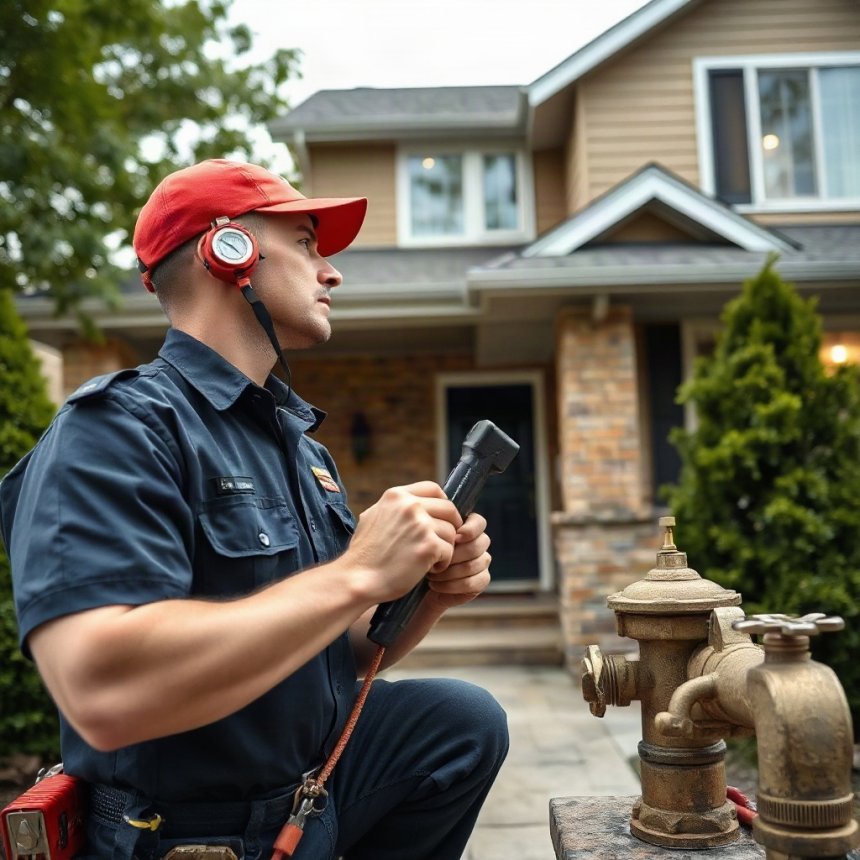
Living in a historic New Orleans home—whether it's a raised Creole cottage in the Marigny or a grand Uptown Victorian—comes with undeniable charm. However, these architectural treasures often harbor aging plumbing systems. One of the most frequent complaints homeowners bring to a New Orleans plumber is a frustrating drop in water pressure. Taking a shower feels like standing under a weak drizzle, and filling a kitchen pot takes an eternity.
Understanding why older properties lose water pressure requires looking at both the unique characteristics of local residential infrastructure and the materials used decades ago. Here is a breakdown of what typically causes low water pressure in historic New Orleans homes and what can be done about it.
1. Galvanized Steel Pipe Internal Corrosion
In many mid-20th-century and older properties throughout New Orleans, the original supply lines were constructed from galvanized steel. While incredibly durable at the time, galvanized pipes have a finite lifespan, typically 40 to 50 years.
Over decades of exposure to mineral content in water, these iron pipes begin to rust and corrode from the inside out. Mineral buildup and flaking rust progressively narrow the interior diameter of the pipe. When you turn on a faucet, water has to force its way through a severely restricted channel, resulting in a dramatic loss of pressure throughout the house.
2. Mineral Buildup and Sediment in Fixtures
Hard water minerals and sediment can accumulate inside aerators, showerheads, and cartridge valves. In neighborhoods across the city, municipal water supplies can carry fine sediment that gradually plugs up localized fixtures. If your water pressure is strong in the bathroom sink but weak in the kitchen, or vice versa, the issue is often isolated to a clogged aerator rather than a whole-house supply problem.
3. Aging Municipal Supply Lines and Pressure Regulators
Sometimes the root of the problem isn't inside your walls at all, but right at the property line. New Orleans has an extensive underground network of aging municipal water mains operated by the Sewerage and Water Board of New Orleans (SWBNO). Fluctuations in city main pressure or partial blockages in older service connections can impact individual homes.
Additionally, many residential properties feature a Pressure Reducing Valve (PRV) designed to protect indoor plumbing from excessively high municipal pressure. When a PRV fails—which frequently happens as they age—it can become stuck in a restricted position, severely choking the volume and pressure of water entering your home.
4. Hidden Leaks in Underground or In-Wall Piping
Older homes often feature complex plumbing layouts that have been patched, rerouted, or added onto over generations. Shifting soils, which are common in the saturated delta environment of New Orleans, can put stress on underground supply lines.
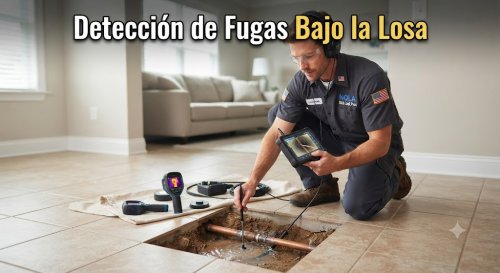
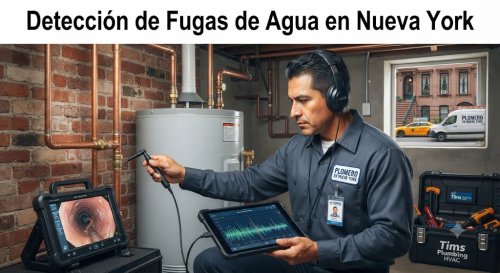
A slow leak in a main water supply line underground or behind a plaster wall will not only cause a spike in your water bills but will also starve your fixtures of adequate pressure. If your water meter is spinning when all indoor taps are shut off, a hidden leak is a prime suspect.
Solutions and Professional Assessment
Addressing low water pressure effectively depends entirely on an accurate diagnosis:
- Targeted Cleaning: Cleaning or replacing clogged aerators and showerheads is a simple first step for localized pressure drops.
- PRV Replacement: Replacing a faulty pressure reducing valve often instantly restores whole-house pressure.
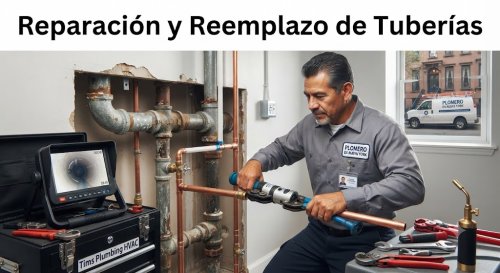
- Repiping: For homes plagued by heavily corroded galvanized steel pipes, partial or complete repiping with modern materials like PEX or copper is the definitive long-term solution.
If you are struggling with persistent low water pressure in your historic New Orleans property, consulting a licensed local plumber for a comprehensive pressure test and inspection will help identify whether the issue stems from a simple valve failure or the need for a modern pipe upgrade.
Frequently Asked Questions
Why is my water pressure suddenly lower than it used to be?
A sudden drop usually indicates a failing pressure reducing valve, a newly developed leak in the supply line, or municipal work happening on your street. A gradual drop is more commonly associated with internal pipe corrosion or mineral buildup.
Are galvanized pipes illegal in New Orleans?
While existing galvanized pipes are generally grandfathered in under older building codes, they are no longer used in new construction because of their tendency to rust and restrict water flow over time.
Can I fix low water pressure myself?
You can easily unscrew and clean sink aerators or showerheads to check for mineral debris. However, issues involving main supply lines, failing PRVs, or corroded galvanized piping require professional plumbing tools and expertise.