Common Causes of Low Water Pressure in New Orleans Historic Homes
Discover why historic homes in New Orleans experience low water pressure, from aging galvanized pipes to scale buildup, and learn how local plumbers resolve it.
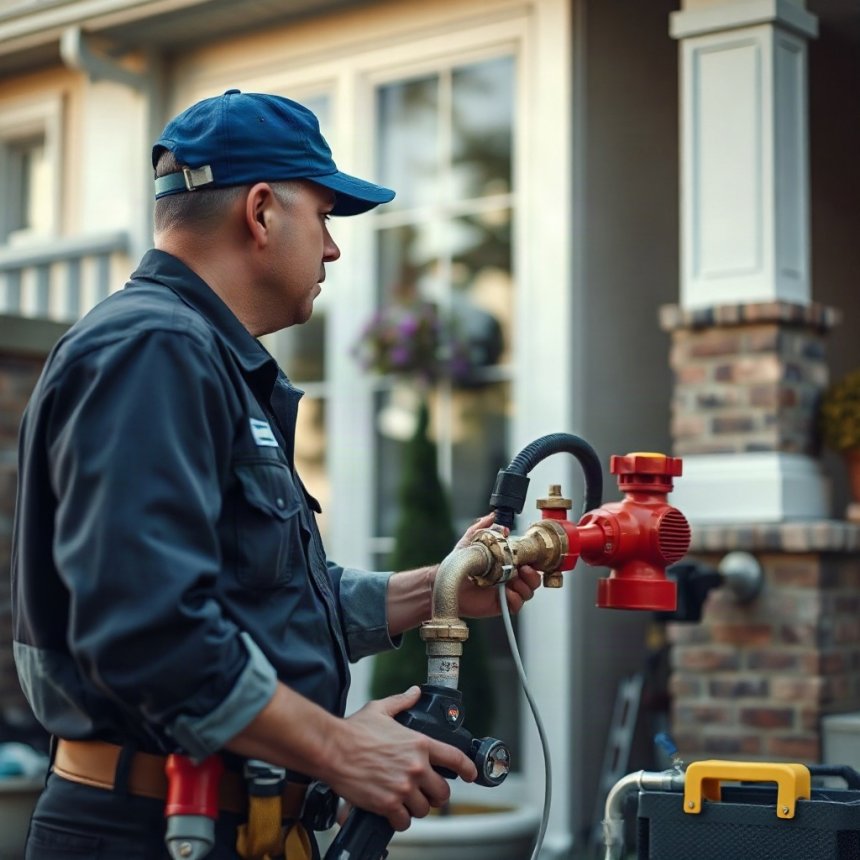
Owning a historic home in neighborhoods like the French Quarter, Faubourg Marigny, or Uptown New Orleans offers unmatched architectural character, but it also comes with unique infrastructure challenges. One of the most frequent complaints homeowners and property managers share with a local plumber in New Orleans is a sudden or gradual drop in water pressure. Whether it is a weak stream in a vintage clawfoot tub or a shower that struggles to rinse shampoo, low water pressure can turn daily routines into frustrating chores.
Because many older residences rely on decades-old plumbing networks, diagnosing the root cause requires an understanding of how these legacy systems interact with modern municipal water supplies. Below, we explore the primary culprits behind low water pressure in historic New Orleans properties and what can be done to restore optimal flow.
Aging Galvanized Steel Supply Pipes
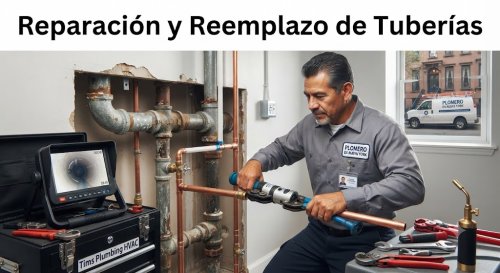
The single most common cause of restricted water flow in older New Orleans houses is the presence of original galvanized steel supply piping. Installed decades ago, these pipes have a finite lifespan—typically 40 to 50 years. Over time, the zinc coating on the inside of the steel erodes, exposing the raw metal to water. This triggers internal rusting and mineral corrosion, which gradually chokes the interior diameter of the pipe.
By the time a property reaches historic status, interior buildup can reduce a one-inch supply line down to the effective width of a pencil. When multiple fixtures are opened simultaneously—such as running the washing machine while someone takes a shower—the restricted volume becomes glaringly obvious. Pipe replacement with modern PEX or copper materials is often the permanent solution for this issue.
Scale Accumulation and Sediment Build-Up
New Orleans receives its water supply from the Mississippi River, and while municipal treatment plants work diligently to purify it, mineral content and sediment can still accumulate within household plumbing systems over many years. Historic homes often feature complex networks of legacy piping with dead legs or subtle elevation changes where silt, calcium, and mineral deposits settle.
This sediment can travel through the system and become lodged in localized areas:
- Faucet Aerators: Fine mesh screens at the tip of bathroom and kitchen faucets frequently trap mineral flakes, causing localized low pressure at a single fixture.
- Showerheads: Mineral scale builds up inside shower nozzles, restricting spray patterns and reducing output volume.
- Water Heater Inlets: Sediment settling at the base of older tank water heaters can restrict the flow entering and leaving the unit.
Corrosion and Pressure Drop at Shut-Off Valves
Historic properties often feature a mix of original gate valves and older shut-off mechanisms located under sinks, behind toilets, and at the main water meter. Over decades of non-use or exposure to humid Louisiana air, the internal components of these valves can corrode, warp, or fail to open completely.
If a main supply valve or a fixture shut-off valve is left only partially open due to a worn internal stem, it acts as a permanent bottleneck, restricting the volume of water permitted to pass through. Simple valve replacement can often restore full pressure instantly.
Undersized Legacy Service Lines
In the past, municipal water consumption patterns and household demands were drastically different. Many historic New Orleans properties were originally connected to city mains via small-diameter service lines—sometimes as small as 1/2 inch. As modern homeowners add multi-head shower systems, high-efficiency dishwashers, and modern laundry appliances, these legacy service lines simply cannot deliver the necessary volume of water required by contemporary living standards.
Frequently Asked Questions
How can I tell if low water pressure is isolated to one fixture or affects the whole house?
Turn on multiple faucets and showers around the house. If only one sink or shower has weak pressure, the issue is likely localized to that aerator, cartridge, or supply line. If every faucet and shower in the house experiences weak flow, the problem originates further back in the main supply line, pressure regulator, or municipal connection.
Does the high water table in New Orleans affect home water pressure?
While New Orleans has a unique, high water table and saturated soil conditions that heavily impact underground sewer lines and exterior drainage, water supply pressure is governed by municipal pressure and interior pipe integrity rather than external groundwater levels.
Should I attempt to clean out galvanized pipes myself?
Attempting to chemically clean or clear heavily corroded galvanized steel pipes from the inside is generally ineffective and can cause weak, rusted pipe walls to rupture, leading to major leaks inside walls or floors. Professional repiping is usually required for severely degraded systems.