Common Causes of Water Leaks in Historic New Orleans Homes
Discover the most frequent reasons for water leaks in historic New Orleans homes, from shifting soils to aging galvanized pipes, and learn how to spot them early.

Understanding Water Leaks in New Orleans Historic Properties
Owning a historic home in neighborhoods like the French Quarter, the Garden District, or Faubourg Marigny is a point of pride, but it also comes with unique property maintenance challenges. The local climate, characterized by high humidity and heavy rainfall, combined with aging infrastructure, creates a breeding ground for plumbing issues. When water leaks develop in older structures, they can quickly escalate from minor annoyances to major structural threats if left unaddressed.
As an experienced plumber working across the area, I frequently encounter specific vulnerabilities unique to local architecture. Recognizing why these leaks happen is the first step toward protecting your property from long-term water damage.
1. Shifting Soils and Foundation Movement
New Orleans sits on a high water table with saturated, alluvial soils that expand and contract dramatically depending on the season and rainfall levels. Many historic homes are built on raised brick piers or historic slab foundations that settle unevenly over time.
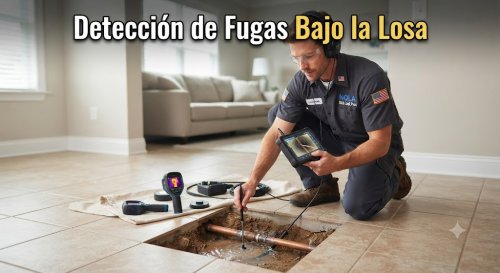
When the ground shifts, rigid supply lines and drainage pipes running beneath or through the structure experience immense stress. This movement can pull joints apart, crack cast iron sewer stacks, or stress copper lines until they develop pinhole leaks. Because these leaks often occur beneath the floors or deep within walls, specialized leak detection is frequently required to locate them accurately without tearing up historic hardwood floors.
2. Aging Galvanized Steel and Cast Iron Piping
Many older residences in the city still contain original or mid-century plumbing materials that have long exceeded their expected lifespans:
- Galvanized Steel Supply Pipes: Over decades, mineral buildup narrows the interior diameter of galvanized pipes while internal corrosion weakens the metal from the inside out, eventually leading to sudden leaks or full-scale pipe failures.
- Cast Iron Drain Lines: Historic sewer and waste lines are often made of cast iron. Decades of exposure to moisture and acidic waste cause these thick pipes to pit, crack, and develop rust holes, leading to slow leaks beneath the home.
3. High Water Pressure and Weather Extremes
Municipal water pressure supplied to certain parts of the city can fluctuate or run higher than ideal for older interior plumbing systems. Excess pressure puts constant strain on aging valves, joints, and connector hoses, significantly increasing the likelihood of a sudden rupture.
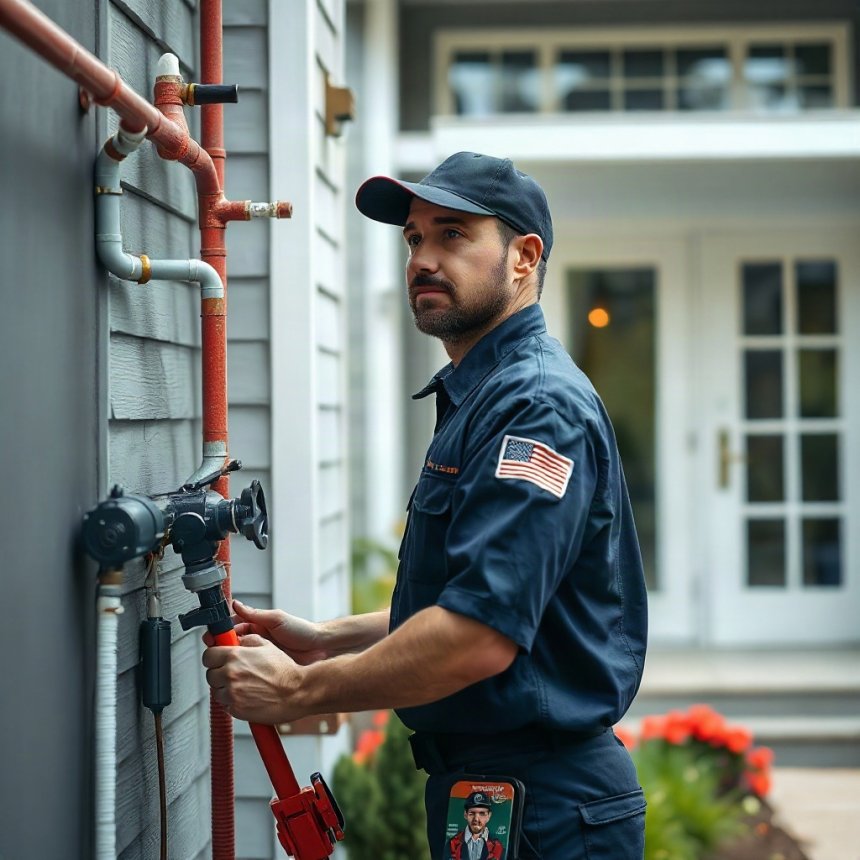
Additionally, while hard freezes are rare in Southeast Louisiana, when sub-freezing temperatures do occur, unprotected exterior pipes or supply lines running through uninsulated crawlspaces can freeze and burst. Historic homes often feature exterior hose bibbs and supply lines that lack modern frost-protection measures, making them especially vulnerable during a sudden winter cold snap.
4. Historic Fixture Connections and Outdated Seals
Original clawfoot tubs, pedestal sinks, and vintage wall-mounted faucets add immense charm to historic bathrooms, but their connections require specialized care. Traditional packing nuts, old-fashioned washers, and antique brass fixtures wear down over time. When seals degrade around sink drains, tub overflows, and toilet flanges, water can slowly seep into subflooring and framing timbers, rotting wood and attracting pests long before the damage becomes visible on the surface.
Early Warning Signs Every Homeowner Should Watch For
Catching a water leak early saves historic woodwork, plaster walls, and structural foundations from extensive damage. Keep an eye out for these subtle indicators:
- Unexplained increases in your monthly municipal water bill
- The sound of running water when all faucets and appliances are turned off
- Musty, damp odors in closets, under sinks, or in crawlspaces
- Peeling paint, bubbling wallpaper, or water stains on walls and ceilings
- Warped historic hardwood flooring or damp spots on carpets
Protecting Your Property
Maintaining a historic home requires vigilance and an understanding of how local environmental factors impact your plumbing system. Routine visual inspections of exposed pipes, monitoring your water meter for unexpected usage, and addressing minor drips immediately can prevent major water damage. When hidden leaks do occur, relying on professional leak detection and targeted pipe repair ensures your home's historic integrity remains intact.