Common Causes of Water Leaks in Historic New Orleans Homes
Discover the most frequent water leak culprits in historic New Orleans properties, from aging pipe materials to shifting soils, and learn how to protect your home.


Owning a historic home in neighborhoods like the French Quarter, the Garden District, or Faubourg Marigny comes with incredible architectural charm. High ceilings, intricate plasterwork, and original hardwood floors tell stories of a bygone era. However, these older properties also present unique engineering and plumbing challenges. Managing a historic New Orleans property requires understanding why moisture intrusion and water leaks occur so frequently in our local environment.
The Intersection of Age, Materials, and Local Soil
Plumbing systems in historic Crescent City homes have endured decades—sometimes a century or more—of service. Over time, the physical materials degrade, and the unique geotechnical conditions of South Louisiana begin to take a toll. New Orleans is built on a delta, featuring high water tables and highly compressible, moisture-reactive clay soils. As these soils expand and contract with heavy rainfall and dry spells, the ground shifts continuously, placing immense stress on underground and crawlspace plumbing lines.
Frequent Culprits Behind Water Leaks in Older Properties
When investigating water stains on historic lath-and-plaster walls or unexplained spikes in water bills, several recurring structural and material issues typically emerge:
1. Deterioration of Legacy Pipe Materials
Many older New Orleans residences still contain aging supply or drain lines made of materials that have reached the end of their functional lifespans. Galvanized steel pipes corrode from the inside out, eventually leading to pinhole leaks and reduced water pressure. In some very old structures, remnants of lead or early copper systems may also suffer from joint degradation, pitting, or seam failures due to decades of mineral exposure from local water sources.
2. Shifting Foundations and Sagging Lines
Most historic New Orleans homes sit on raised pier-and-beam foundations or older brick perimeter walls rather than modern monolithic slabs. While raised foundations make inspecting crawlspaces easier than dealing with sub-slab leaks, they also leave pipes more exposed to shifting structural framing. When a pier settles or historic timbers sag, rigid supply lines can pull apart at the joints, while older cast-iron drain lines can crack or lose their required slope, resulting in slow, hidden leaks.
3. Weather and Temperature Extremes
Though New Orleans rarely experiences prolonged sub-freezing winters, occasional hard freezes do occur. Historic homes often feature exterior walls, unconditioned crawlspaces, or poorly insulated historic galleries where older pipes run close to the elements. When temperatures drop rapidly, uninsulated pipes can crack or burst. Conversely, our intense summer heat and humidity accelerate the degradation of rubber washers, packing nuts, and supply line connections under sinks and behind toilets.
Signs Your Historic Property May Have a Hidden Leak
Because historic building materials absorb and retain moisture differently than modern drywall, leaks can sometimes go unnoticed until significant damage occurs. Property owners should watch for:
- Musty, damp odors in closets, under floorboards, or within wall cavities.
- Peeling paint, bubbling wallpaper, or soft, crumbling plaster.
- Unexplained warping or buckling of historic wood flooring.
- A continuous, subtle sound of running water when all fixtures are turned off.
- Higher-than-average municipal water bills without a change in usage habits.
Proactive Care and Modern Solutions for Historic Plumbing
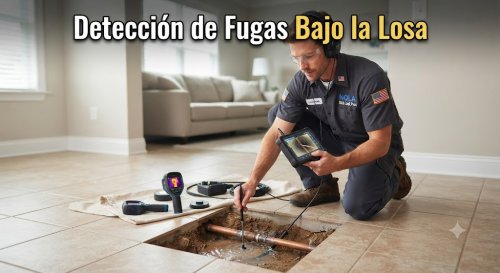
Protecting a historic property from water damage does not mean you have to sacrifice its architectural integrity. Modern leak detection technology allows professional plumbers to pinpoint the exact source of hidden moisture behind historic walls or beneath floors using acoustic sensors and thermal imaging cameras, avoiding unnecessary exploratory demolition. Additionally, scheduling routine inspections of supply lines, replacing outdated flexible connectors, and installing whole-home water shut-off devices can provide vital peace of mind for property owners safeguarding New Orleans' architectural heritage.