Common Causes of Water Leaks in Historic New Orleans Homes
Discover the most frequent water leak causes in historic New Orleans properties, from aging galvanized pipes to shifting soils, and learn how local plumbing experts handle them.


Understanding Water Leaks in Historic New Orleans Properties
Owning a historic home in neighborhoods like the French Quarter, Faubourg Marigny, or Uptown New Orleans comes with undeniable architectural charm. However, maintaining these century-old structures presents unique plumbing challenges. Historic properties often feature a patchwork of past plumbing updates, aging materials, and structural shifts unique to the regional environment. Identifying the root causes of water leaks in these classic homes is the first step toward protecting your property from costly structural damage.
The Impact of Saturated Louisiana Soils on Older Piping
New Orleans is built on a high water table with heavy, moisture-rich alluvial soils. These ground conditions shift significantly during seasonal heavy rains and dry summer periods. For historic homes resting on raised foundations or historic brick basements, this continuous ground movement exerts stress on underground and crawlspace piping. Over decades, shifting earth can misalign drain lines, strain supply pipes, and cause joint separations that lead to hidden water leaks beneath the property.
Frequent Culprits Behind Leaks in Century-Old Plumbing Systems
When investigating water leaks in older New Orleans houses, experienced plumbers frequently encounter specific material breakdowns and design quirks:
- Galvanized Steel Supply Pipes: Many older homes still retain sections of galvanized steel piping. Over decades of exposure to mineral-rich water, these pipes corrode from the inside out, eventually resulting in pinhole leaks or sudden ruptures.
- Cast Iron Drain Lines: Historic sewer and waste stacks are commonly made of cast iron. While durable, these pipes have a finite lifespan and are susceptible to internal scaling, root intrusion, and bottom-pipe corrosion caused by acidic wastewater.
- Outdated Fixture Connections: Antique clawfoot tubs, pedestal sinks, and vintage wall-mounted faucets often utilize proprietary threads, worn washers, or deteriorated lead-and-oakum joints that require specialized care to prevent slow, continuous weeping.
Subtle Warning Signs Property Owners Should Never Ignore
Because many water leaks in historic structures occur behind plaster walls, beneath hardwood floors, or hidden in crawlspaces, they often cause significant damage before becoming obvious. Property owners should remain vigilant for early indicators such as:
- Unexplained spikes in monthly municipal water bills
- A musty, damp odor in specific rooms or closets
- Buckling, cupping, or soft spots in historic wood flooring
- Peeling interior paint or bubbling plaster on historic walls
- The sound of running water when all fixtures are completely closed
Modern Leak Detection and Repair Considerations
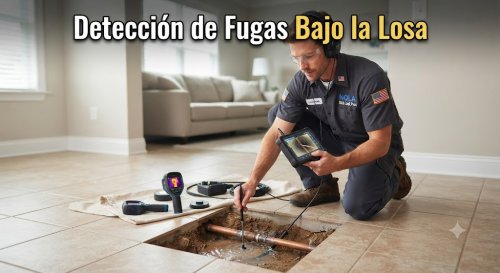
Locating a water leak in a historic home requires a delicate balance of modern technology and careful preservation. Traditional exploratory demolition—tearing open historic lath-and-plaster walls or lifting antique heart-pine flooring just to find a drip—is rarely acceptable. Instead, professional leak detection relies on non-invasive acoustic listening devices, thermal imaging cameras, and electronic line tracing to pinpoint leaks precisely.
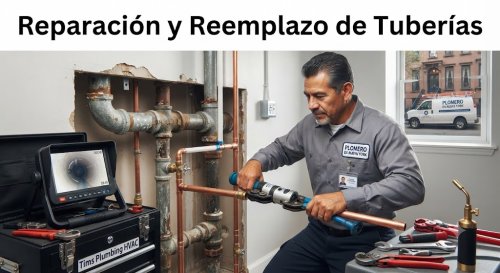
When repairs are necessary, licensed professionals working in New Orleans must navigate both modern plumbing codes and the preservation requirements typical of historic neighborhoods. Replacing a failing section of supply piping or rehabilitating an aging drain stack requires careful integration with existing architectural features to ensure the structural integrity and aesthetic value of the home remain intact for generations to come.
FAQ
Why are historic New Orleans homes more prone to hidden water leaks?
Historic homes often contain aging piping materials like galvanized steel and cast iron that have exceeded their expected operational lifespans. Combined with the natural shifting of wet Louisiana soil, these aging materials are highly susceptible to joint separation, corrosion, and sudden leaks.
How can I detect a water leak without damaging my historic walls?
Professional plumbers utilize advanced, non-invasive diagnostic tools such as electronic acoustic listening equipment and thermal imaging cameras. These technologies allow technicians to locate hidden leaks behind walls or beneath floors with minimal disruption to historic finishes.
Should I replace all the plumbing in a historic New Orleans home at once?
Complete repiping is rarely necessary unless the existing system is experiencing systemic failure. A targeted evaluation by a knowledgeable local plumber can help identify high-risk sections, allowing for strategic pipe repair or replacement while preserving as much of the original infrastructure as possible.