Drain Cleaning in New Orleans: Clearing Tough Clogs & Slow Drains
Professional drain cleaning insights for New Orleans properties. Learn how to prevent slow drains, eliminate stubborn clogs, and keep your plumbing flowing smoothly.

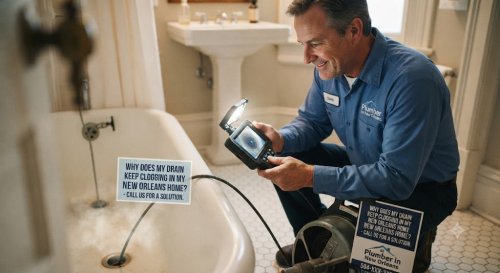
Dealing with a stubborn slow drain in your New Orleans home or business can quickly disrupt your day. Whether it is a kitchen sink bogged down by years of grease and food particles or a bathroom shower backing up with hair and soap scum, drainage issues are among the most common plumbing headaches. Because of the unique regional soil conditions and historical building layouts found across the city, understanding how local drains behave can save you from messy overflows and unexpected plumbing repairs.
Why Drains Clog in New Orleans Properties
Every plumbing system tells a story about how it is used and the environment surrounding it. In a historic double shotgun in Uptown or a modern build in Lakeview, drains face distinct challenges:
- Kitchen Grease and Oil: Pouring cooking oils and fats down the kitchen sink is a primary culprit. As hot grease cools inside the pipes, it solidifies and traps other food waste, gradually narrowing the interior diameter of the pipe.
- Bathroom Buildup: Hair, soap particles, scale, and toothpaste combine inside bathroom vanity and shower traps to form dense, fibrous clogs.
- Tree Root Intrusion: Older neighborhoods featuring mature live oaks and heavy foliage often experience issues where aggressive roots infiltrate small cracks in exterior drain and sewer lines searching for moisture.
- Shifting Ground: The high water table and soft alluvial soils of the Mississippi River delta can cause underground sewer and drain pipes to shift or sag over time, creating low spots where debris easily accumulates.
Signs Your Property Needs Professional Drain Cleaning
Minor clogs often start small, but ignoring the early warning signs usually leads to a complete blockage or an inconvenient backup. Watch out for these indicators that your plumbing system requires attention:
- Water draining noticeably slower than usual in sinks, tubs, or showers.
- Gurgling sounds coming from your drains or toilet bowls when water is running elsewhere.
- Unpleasant odors drifting up from floor drains or sink openings, indicating decomposing organic matter trapped in the line.
- Water backing up in the lowest fixture of your home—such as a shower drain when the washing machine runs—which often points to a main line restriction.
Effective Methods for Clearing and Maintaining Drains
When store-bought chemical drain cleaners fail to clear a stubborn obstruction, professional plumbers rely on specialized mechanical and high-pressure techniques to restore full flow without damaging your piping:
Mechanical Snaking and Augering
For localized clogs situated close to a fixture trap or branch line, a motorized drain snake or auger is typically deployed. The flexible steel cable travels deep into the pipe, breaking apart dense clogs or pulling fibrous obstructions back out.
Hydro Jetting for Thorough Restoration
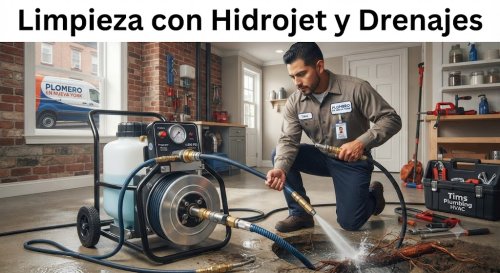
When pipes are coated with years of grease, mineral scale, or biological buildup, hydro jetting offers a comprehensive cleaning solution. This method uses a high-pressure stream of water delivered through a specialized nozzle to scour the interior walls of the pipe clean, washing all debris completely out of the system. It is particularly effective for commercial kitchens and heavily used residential lines.
Preventative Tips to Keep Your Drains Flowing
Proactive habits can significantly reduce the frequency of stubborn clogs:
- Use mesh drain strainers in sinks and showers to catch hair and food scraps before they enter the waste line.
- Never pour grease, coffee grounds, or starchy foods down the garbage disposal or kitchen sink.
- Run hot water down your kitchen drain weekly to help flush away minor soap and oil residue.
- Schedule routine professional inspections if your property features older cast iron or clay piping.
Frequently Asked Questions About Drain Cleaning
Are chemical drain cleaners safe for my plumbing?
Liquid chemical drain cleaners often generate heat and contain harsh compounds that can corrode older metal pipes and degrade rubber seals. Mechanical clearing and water-based cleaning methods are much safer for your plumbing infrastructure.
How often should I have my drains professionally cleaned?
Most residential properties benefit from an inspection or cleaning when slow draining begins. Commercial properties, such as restaurants or multi-tenant buildings, generally require scheduled preventative maintenance every six months to prevent operational downtime.
Can a clogged main sewer line mimic a single slow drain?
Yes. If multiple fixtures throughout your property begin draining slowly or backing up simultaneously, the issue usually lies further down in the main sewer line rather than a single branch drain.