Why Does My Drain Keep Clogging in My New Orleans Home?
Discover why your drains keep clogging in your New Orleans home. Learn common causes like aging pipes and tree roots, signs to watch for, and when to call a plumber
Why Does My Drain Keep Clogging in My New Orleans Home?
Persistent drain clogs are more than a minor inconvenience; they are a recurring headache that disrupts your daily life in The Big Easy. Dealing with slow-draining sinks in the French Quarter or a backed-up bathtub in Metairie requires more than just store-bought chemical solutions. Understanding why your drains keep clogging is the first step toward a permanent fix.
As experienced local plumbers, we know the unique challenges posed by New Orleans plumbing systems, from aging infrastructure to our specific soil conditions. This comprehensive guide will help you understand the root causes of your recurring clogs and when it’s time to call in a professional.
What Is a Recurring Drain Clog?
A recurring drain clog is a blockage that persists or returns shortly after you attempt to clear it. You might plunge a toilet, use a liquid drain cleaner in the kitchen sink, or use a hand auger on the shower drain, only to find the problem back within days or weeks.
This persistent issue indicates that the quick fix did not address the underlying problem. The clog might be too deep for a plunger, or there might be damage within the pipe itself that is catching debris and causing material to build up repeatedly.
Why Does This Plumbing Problem Happen?
In New Orleans, recurring drain clogs often stem from a combination of everyday habits and environmental factors.
1. Aging Infrastructure and Pipe Corrosion
Many homes in areas like the Garden District and Uptown feature older plumbing systems. Over decades, cast iron pipes can corrode and develop rough interior surfaces. These rough patches snag hair, soap scum, and grease, creating a perfect environment for clogs to form and grow rapidly.
2. Tree Root Intrusion
This is a major culprit in older neighborhoods with mature oak trees. Tree roots naturally seek sources of water. They can infiltrate tiny cracks or loose joints in older clay or cast iron sewer lines. Once inside, they grow, block the flow of water, and cause severe backups.
3. The "Flushable" Wipes Myth
Even wipes labeled "flushable" do not break down like toilet paper. They get caught on imperfections in older pipes, combine with other waste, and create massive, stubborn blockages. This is one of the most common causes of main sewer line clogs we see across Orleans and Jefferson Parishes.
4. Grease, Fats, and Oils (FOG)
Pouring cooking grease, fats, and oils down the kitchen sink is a major cause of recurring clogs. Grease is liquid when hot, but it solidifies as it cools down the pipe, adhering to the walls and trapping other food particles.
5. Foreign Objects
In homes with young children, it’s not uncommon for small toys, excessive amounts of toilet paper, or other items to be flushed or washed down the drain, causing an immediate or partial blockage.
Signs You Should Never Ignore
Recurring clogs are often a warning sign of a larger issue. Do not ignore these related symptoms:
-
Multiple Slow Drains: If your kitchen sink, bathtub, and toilet are all draining slowly at the same time, the problem is likely in the main sewer line, not a specific fixture.
-
Gurgling Sounds: If you hear gurgling noises coming from drains when you run the washing machine or flush the toilet, it indicates trapped air in the system, often caused by a blockage downstream.
-
Water Backing Up: Water appearing in the shower when the toilet is flushed is a clear sign of a significant blockage in the main line.
-
Flocculent Smells: Persistent foul odors coming from your drains can indicate rotting organic matter trapped in a clog or issues within the sewer line itself.
Common Plumbing Problems Related to This Issue
A recurring clog doesn't exist in a vacuum. It can put immense pressure on your entire plumbing system, leading to related issues:
-
Pipe Leaks and Bursts: The increased pressure from a severe clog can cause older or weakened pipes to crack or burst.
-
Sewer Backups: A clog in the main line can force raw sewage back up into your home, posing significant health risks and property damage.
-
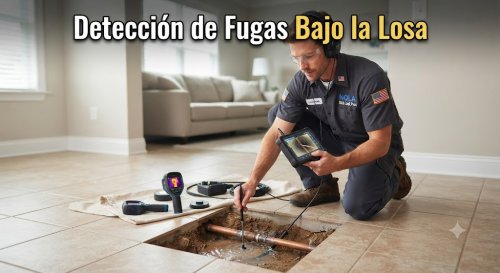
Slab Leaks: In homes built on a slab foundation, a clog or break in the under-slab sewer line can cause water to leak beneath the foundation, potentially leading to structural damage.
Step-by-Step Professional Repair Process
When you call a professional plumber in New Orleans for a recurring clog, they will follow a systematic process to ensure the issue is resolved permanently.
Step 1: Comprehensive Inspection The plumber will first assess the situation, identifying which drains are affected and looking for warning signs like gurgling or water backups.
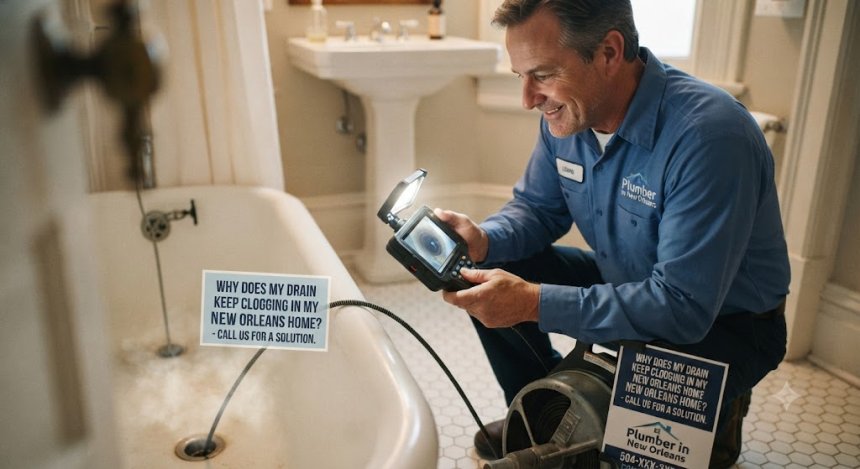
Step 2: Diagnosis with Drain Camera This is crucial for recurring clogs. A specialized waterproof plumbing camera is inserted into the drain or cleanout. This allows the plumber to see exactly what is causing the clog—whether it's roots, grease, a broken pipe, or foreign objects—and determine its exact location and depth.
Step 3: Honest Estimate Based on the camera inspection, the plumber will explain the findings and provide an upfront estimate for the recommended repair. They should discuss all available options with you.
Step 4: Professional Drain Cleaning or Repair Depending on the diagnosis, the plumber may use:
-
Professional Drain Snake/Auger: For breaking up standard clogs.
-
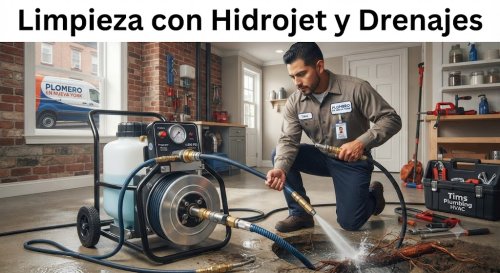
Hydro Jetting: A highly effective method that uses high-pressure water to blast away stubborn clogs, grease buildup, and even tree roots from the pipe walls. This is often the best solution for clearing old, heavily scaled cast iron pipes.
-
Trenchless Pipe Repair or Replacement: If the camera shows a collapsed or severely damaged pipe, modern trenchless technology allows plumbers to repair or replace the line without extensive digging in your yard.
Step 5: Testing After the repair or cleaning, the plumber will run water and flush toilets extensively to ensure proper flow and verify the clog is completely gone.
Step 6: Cleanup and Maintenance Advice A professional plumber will clean up any mess made during the process and provide valuable advice on how to prevent the clog from returning.
Can You Fix It Yourself?
It is tempting to try and fix a recurring clog yourself, but it’s important to know your limits.
Safe DIY Solutions:
-
Boiling Water: For minor grease clogs in the kitchen, carefully pouring a kettle of boiling water down the drain occasionally can help.
-
Baking Soda and Vinegar: A natural, safe alternative to chemical cleaners. Pour half a cup of baking soda followed by half a cup of white vinegar down the drain. Let it sit for 30 minutes, then flush with hot water. This can help with minor buildup.
-
Manual Plunger: Using a cup plunger for sinks and a flange plunger for toilets is generally safe when done correctly.
When DIY Becomes Dangerous:
-
Chemical Drain Cleaners: We strongly advise against using harsh chemical drain cleaners. They can damage older pipes common in New Orleans, creating leaks. Furthermore, they are caustic and dangerous to handle, and they rarely resolve deep or structural clogs. If you've already used chemicals, inform the plumber before they begin work.
-
Overusing a Hand Auger: If you're not experienced, you can easily scratch the interior of pipes or get the auger itself stuck in the drain.
When Professional Plumbing is Necessary: If DIY methods fail, if the clog returns quickly, or if you experience multiple slow drains or gurgling sounds, it is time to call a licensed plumber. These are signs of a deeper problem that requires professional equipment and expertise.
Tools Professionals Use
Professional plumbers rely on advanced equipment designed to locate and clear clogs safely and effectively.
-
Drain Inspection Cameras: These provide a real-time visual of the pipe's interior, eliminating guesswork and ensuring the right repair is performed.
-
High-Capacity Drain Augers (Snakes): Much stronger than consumer models, these can cut through tough obstructions.
-
Hydro Jetting Machines: Utilize high-pressure water to scour pipe walls clean, restoring flow to near-original condition. This is highly effective against grease and root intrusion.
-
Pipe Locators: Used in conjunction with camera inspections to pinpoint the exact location and depth of a blockage or pipe damage underground, which is vital for targeted repairs.
How Long Does the Repair Usually Take?
The duration of the repair depends entirely on the severity of the clog and the chosen solution.
-
Simple Repairs: A straightforward clog near the fixture that can be cleared with a standard auger might take 1–2 hours.
-
Moderate Repairs: Clearing a main line clog or using hydro jetting to clear extensive buildup typically takes 2–4 hours.
-
Major Repairs: If trenchless pipe repair or excavation is required to replace a broken sewer line, the job can take 1–3 days, depending on the complexity and permits required.
Cost Factors
Providing a fixed price without seeing the problem is impossible and often a red flag. The final cost of drain cleaning in New Orleans varies based on several factors:
-
Severity and Location of the Clog: A clog located deep in the main sewer line is more complex and costly to clear than a simple sink clog.
-
Method Required: Hydro jetting is generally more expensive than standard snaking due to the equipment and time involved.
-
Accessibility of Pipes: If the cleanout is hard to access or requires removing fixtures, labor costs may increase.
-
Cause of the Clog: Removing invasive tree roots or retrieving a foreign object is more involved than clearing simple debris.
-
Pipe Damage: If the camera inspection reveals a collapsed or broken pipe that needs repair, this will be a separate and more significant cost than simple cleaning.
-
Emergency Service: Calls made outside of regular business hours (evenings, weekends, holidays) often carry a higher emergency service fee.
Plumbing repair costs vary depending on the severity of the problem, accessibility, materials required, emergency service, property type, and local labor rates.
Hidden Truths Homeowners Should Know
Understanding the realities of plumbing maintenance can save you significant time and money in the long run.
-
Small Leaks Become Expensive Repairs: A small, slow drip or minor slow drain is never just "something you get used to." It's a symptom of an issue that will worsen over time, leading to water damage, mold growth, and costly pipe failures.
-
Cheap Temporary Fixes Often Fail: Relying on chemical cleaners or frequent plunging for recurring clogs is throwing money away. The problem will return, and you'll eventually need professional help anyway, perhaps after the chemicals have caused additional pipe damage.
-
Insurance May Not Cover Neglected Plumbing: Homeowners' insurance typically covers sudden and accidental water damage (like a burst pipe), but it often excludes damage resulting from long-term neglect or lack of maintenance (like a slow leak that rots out a cabinet over years).
-
Tree Roots Can Repeatedly Damage Sewer Lines: If roots intrude once, they will likely return unless the pipe is professionally lined or replaced. Regular maintenance with hydro jetting can help manage roots in older pipes.
-
Hard Water Shortens Fixture Lifespan: New Orleans water can be hard, leading to mineral scale buildup in pipes, water heaters, and fixtures. This buildup reduces efficiency and lifespan.
-
DIY Mistakes Increase Repair Costs: Attempting complex plumbing repairs without the proper knowledge or tools often results in mistakes that a professional then has to fix, costing more than if you had called them in the first place.
-
Delaying Repairs Causes Structural Damage: Water leaks, even small ones, can rot wood, damage drywall, and undermine foundations, leading to extensive and expensive structural repairs.
-
Hidden Leaks Increase Utility Bills: A hidden slab leak or a constantly running toilet can waste thousands of gallons of water, leading to shockingly high water bills.
-
Mold Develops Quickly: Any area that remains damp due to a leak or backup can develop toxic mold within 24–48 hours, posing serious health risks to your family.
-
Annual Maintenance Saves Money: Investing in an annual professional plumbing inspection and drain cleaning can identify and address small issues before they become major emergencies, saving you money and stress.
15 Common Mistakes Homeowners Make
Avoiding these common pitfalls can significantly reduce the likelihood of recurring drain clogs.
-
Ignoring Slow Drains: Treat a slow drain as an early warning system, not a normal occurrence.
-
Using Chemical Drain Cleaners: Avoid them. They damage pipes and are dangerous.
-
Flushing "Flushable" Wipes: Do not flush wipes of any kind. Only toilet paper and human waste should go down the toilet.
-
Pouring Grease Down the Sink: Let grease cool and solidify, then scrape it into the trash.
-
Ignoring Water Pressure Problems: High water pressure can stress your plumbing system; low pressure can indicate a clog or leak.
-
Hiring Unlicensed Plumbers: Always hire a licensed and insured plumber to ensure work meets code and is guaranteed.
-
Skipping Maintenance: Schedule annual inspections to catch issues early.
-
Waiting Until Emergencies: Proactive repairs are always less expensive and stressful than emergency fixes.
-
Using Wrong Pipe Materials for DIY: If you attempt a repair, ensure you use the correct pipe material and fittings.
-
Over-tightening Plumbing Fittings: This can crack pipes and fittings, causing leaks.
-
Overloading Garbage Disposals: Disposals are for small scraps, not large amounts of food waste. Never put fibrous foods (celery, onion skins), bones, or grease in the disposal.
-
Neglecting Septic Tank Maintenance (if applicable): If you're on a septic system, it needs regular pumping and inspection.
-
Using Plungers Incorrectly: Ensure you have the right type of plunger for the fixture and are using proper technique.
-
Planting Trees Too Close to Sewer Lines: Consult with a landscaper or plumber about safe distances for planting trees near your home's sewer line.
-
Not Knowing Where Your Main Water Shut-Off Valve Is: In an emergency, every second counts. Knowing how to quickly shut off your home's main water supply can prevent catastrophic water damage.
Maintenance Tips
Following these practical tips can help keep your drains flowing freely year-round.
Kitchen:
-
Use Sink Strainers: These catch food particles and prevent them from entering the drain. Empty them into the trash regularly.
-
Scrape Plates into Trash: Before washing dishes, scrape all food waste into the trash.
-
Run Hot Water After Using Disposal: After running the garbage disposal, let hot water run for at least 30 seconds to flush any remaining particles through the system.
-
Never Pour Grease Down the Sink: This is the golden rule of kitchen plumbing.
Bathroom:
-
Use Hair Catchers/Strainers: Hair is a primary cause of bathroom clogs. Clean strainers weekly.
-
Run Hot Water After Showers: Periodically running hot water can help dissolve soap scum buildup.
-
Don't Flush Non-Biodegradables: This includes wipes, feminine hygiene products, cotton balls, dental floss, and Q-tips. These belong in the trash.
-
Limit Toilet Paper Use: While toilet paper is flushable, using excessive amounts at once can lead to clogs.
General:
-
Use a Monthly Drain Maintainer: Use a safe, enzymatic drain cleaner once a month to help break down organic buildup. These are safe for pipes and the environment.
-
Check for Leaks Regularly: Periodically check under sinks, around toilets, and near your water heater for any signs of leaks or drips.
-
Know the Signs of Root Intrusion: If you have large trees near your sewer line, be vigilant for slow drains or backups and consider annual preventative hydro jetting.
-
Schedule Annual Professional Plumbing Inspections: A professional can spot potential problems that you might miss.
When Should You Call an Emergency Plumber?
Some plumbing situations require immediate attention to prevent extensive property damage and health hazards. Call an emergency plumber in New Orleans if you experience:
-
Burst Pipes: A burst pipe can flood your home rapidly, causing thousands of dollars in damage. Shut off your main water valve immediately and call for emergency help.
-
Sewage Backup: A sewage backup is a major health hazard. Avoid contact with the water and call a professional immediately to clear the main line and sanitize the affected area.
-
No Running Water: While sometimes due to a city issue, a sudden loss of water on your property can indicate a major pipe failure or leak.
-
Overflowing Toilet: If plunging doesn't stop the overflow, or if it's caused by a main line blockage, shut off the water supply to the toilet (valve behind the toilet) and call a plumber.
-
Major Water Leaks: Any leak that is causing significant water damage or cannot be contained requires prompt professional intervention.
-
Flooding: If your home is flooding due to a plumbing failure, immediate action is required to mitigate damage.
Dealing with any of these emergencies requires a fast response from a trusted local plumber who is available 24/7.
Frequently Asked Questions
Here are answers to some of the most common questions homeowners have about recurring drain clogs in New Orleans.
Why is my water pressure suddenly low? Sudden low pressure can be caused by a blockage in the main line serving your home, a partially closed main shut-off valve, or a significant leak somewhere in the system. A plumber can perform a pressure test and inspection to determine the cause.
How much does leak detection cost? Leak detection costs vary depending on the accessibility of the leak and the methods required (e.g., electronic listening devices, thermal imaging, pressure testing). A reputable plumber will provide an estimate before starting. Many plumbers include leak detection as part of a diagnostic fee if you proceed with the repair.
Can a clogged drain damage pipes? Yes. A severe or persistent clog can increase pressure within the pipes, leading to cracks, leaks, or even pipe bursts. Tree roots growing into pipes can also cause significant structural damage over time.
Is hydro jetting safe for old pipes? When performed by an experienced professional using the correct pressure settings, hydro jetting is generally safe and highly effective for clearing buildup in older cast iron or clay pipes common in New Orleans. A camera inspection is always done beforehand to assess pipe condition.
How do I know if my sewer line is broken? Signs of a broken sewer line include recurring clogs, multiple slow drains, gurgling sounds from drains, sewage odors in your yard or home, wet spots on your