Common Causes of Water Leaks in Historic New Orleans Homes
Discover the most frequent culprits behind water leaks in historic New Orleans properties and how local homeowners can protect their plumbing systems.

Understanding Water Leaks in New Orleans Historic Properties
Owning a historic home in neighborhoods like the French Quarter, Faubourg Marigny, or Uptown New Orleans comes with undeniable architectural charm. However, these centuries-old properties also present unique plumbing challenges. From shifting delta soils to aging infrastructure, historic New Orleans homes are particularly susceptible to hidden water leaks that can quietly damage structural timber, plaster walls, and historic flooring.
As professional plumbers working across the Crescent City, we frequently encounter specific leak vulnerabilities inherent to older construction styles and local environmental factors. Recognizing these risks is the first step toward safeguarding your property against costly water damage.
1. Aging and Corroded Galvanized Steel Pipes
Many historic homes in New Orleans were originally plumbed with galvanized steel or early iron piping. Over decades of exposure to local water chemistry and humidity, these metallic pipes corrode from the inside out. As rust accumulates, it restricts water flow and eventually creates pinhole leaks or sudden pipe ruptures.
- Scale Buildup: Mineral deposits narrow the interior diameter, increasing internal pressure.
- Exterior Moisture: High ambient humidity and damp crawlspaces accelerate external pipe corrosion.
- Joint Failure: Threaded pipe connections weaken over time, leading to slow, persistent seeps behind walls.
2. Shifting Delta Soils and Foundation Stress
New Orleans sits on a high-water table with complex, saturated delta soils. These soils expand during heavy seasonal rains and shrink during dry summer spells. This constant ground movement puts immense stress on home foundations and the rigid plumbing lines running beneath or through them.
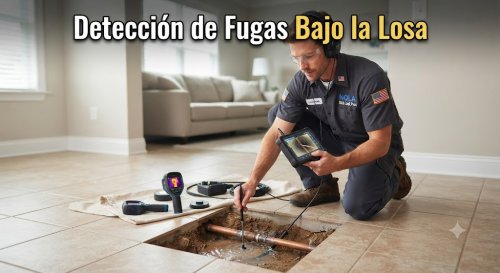
When a historic raised Creole cottage or shotgun home shifts slightly, rigid supply lines or cast-iron drain stacks can crack or shear. Slab leaks or under-floor pipe separations often go unnoticed until utility bills spike or damp spots appear on flooring.
3. Outdated Fixtures and Worn Connections
Historic properties often feature vintage or antique fixtures, clawfoot tubs, and pedestal sinks. While these add aesthetic value, their internal washers, gaskets, and valve seats deteriorate over decades of use. Furthermore, adapting modern supply lines to older, non-standard threading can create weak points prone to slow weeping leaks under bathroom and kitchen sinks.
4. Inadequate Pipe Insulation and Winter Freezes
While New Orleans enjoys a mild climate, rare winter cold snaps can bring sudden freezes. Historic homes often feature exposed exterior plumbing, uninsulated crawlspace lines, or pipes running through drafty walls. When freezing temperatures arrive, unprotected water lines expand and burst, resulting in major water emergencies once the thaw begins.
Proactive Leak Detection and Prevention Strategies
Detecting leaks early in a historic home requires vigilance and an understanding of your plumbing layout. Property owners can take several steps to protect their investments:
- Monitor monthly water bills for unexplained spikes in usage.
- Inspect visible piping in crawlspaces, basements, and utility areas regularly for discoloration, dampness, or mineral crusting.
- Listen for the sound of running water when all taps and appliances are turned off.
- Schedule professional leak detection services if you notice musty odors or peeling paint that indicate hidden moisture behind historic plaster.
By understanding the unique vulnerabilities of historic New Orleans plumbing, homeowners can address minor issues before they escalate into major structural repairs, preserving both their homes and their peace of mind.