Water Heater Repair Cost New Orleans | Expert Guide
Discover water heater repair costs in New Orleans, LA. Learn common causes like hard water sediment, warning signs, and when to call a plumber.
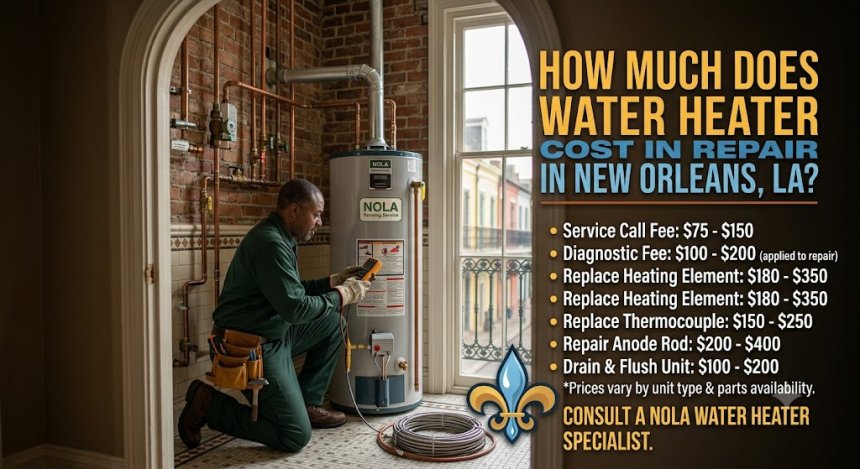
How Much Does Water Heater Repair Cost in New Orleans?
A reliable supply of hot water is something most of us take for granted until it suddenly stops working. Whether you wake up to a freezing shower in the historic Garden District, notice lukewarm water in your Uptown home, or face a leaking tank in Metairie, a failing water heater throws a wrench into your daily routine.
Homeowners across Orleans and Jefferson Parishes frequently search for water heater repair costs when their units start acting up. Because every plumbing setup and water heater model is unique, understanding the financial and mechanical factors behind water heater repairs helps you make an informed decision before hiring a professional.
What Is Water Heater Repair?
Water heater repair involves troubleshooting, servicing, and fixing component failures within a standard tank water heater or a tankless unit.
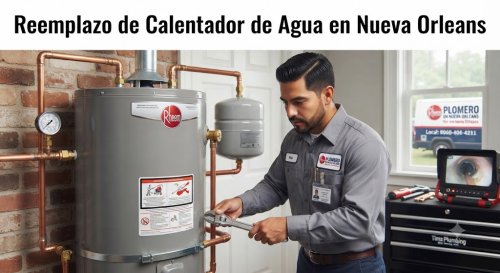
Common situations requiring repair include a faulty thermostat, a tripped heating element, a broken thermocouple on a gas unit, or a leaking pressure relief valve. For example, if your water turns lukewarm after only a few minutes, or if you hear loud rumbling noises coming from the tank, your water heater needs professional attention.
Why Does This Plumbing Problem Happen?
Water heaters work tirelessly around the clock, meaning their internal parts experience significant natural wear over time. In the New Orleans area, several local factors accelerate this breakdown:
1. Hard Water and Mineral Scale
Our regional water conditions can carry high mineral content. As water is heated inside the tank, calcium and magnesium separate and settle at the bottom, forming a thick layer of sediment. This sediment insulates the water from the burner or lower element, causing the tank to overheat, stress the metal walls, and shorten the appliance's lifespan.
2. Corrosion and Anode Rod Failure
Inside every tank water heater is a sacrificial anode rod designed to attract corrosive minerals so they attack the rod instead of the steel tank walls. Once this rod completely corrodes away, rust rapidly attacks the inner lining of the tank.
3. High Water Pressure
Municipal water pressure spikes can stress the tank and internal valves, leading to premature component failure or leaking relief valves.
4. Normal Wear and Aging Components
Thermostats, gas control valves, electronic ignition systems, and electrical elements simply wear down after years of continuous heating cycles.
Signs You Should Never Ignore
When a water heater begins to fail, it usually sends out distinct warning signs. Never ignore these critical red flags:
-
Discolored or Rusty Water: Brown or reddish water coming from your hot taps indicates internal tank corrosion.
-
Strange Rumbling Noises: Popping or rumbling sounds mean excessive sediment has built up at the bottom of the tank.
-
Inconsistent Water Temperatures: Water that fluctuates between hot and cold points to failing heating elements or thermostats.
-
Leaking Around the Base: Puddles near the unit signify a loose connection, a failing pressure relief valve, or a cracked tank.
-
Foul Odors: Rotten-egg smells from hot water taps indicate bacteria growth inside the tank or a failing anode rod.
Common Plumbing Problems Related to This Issue
A water heater failure can trigger or accompany several other household plumbing challenges:
-
Pipe Leaks: Thermal expansion or excessive pressure spikes can stress supply lines connected to the unit.
-
Tank Ruptures and Flooding: A severely rusted tank can split open, releasing gallons of water into utility rooms or living spaces.
-
Fixture Damage: Sediment scale pushed through the system can clog faucet aerators and showerheads.
Step-by-Step Professional Repair Process
When you call a licensed plumbing professional in the Greater New Orleans area, they follow a systematic workflow to diagnose and fix your unit:
Step 1: Inspection The plumber evaluates the exterior of the tank, checks the age, reviews error codes on tankless units, and inspects electrical or gas connections.
Step 2: Diagnosis Using multimeters or pressure gauges, the technician isolates the faulty component—such as a bad thermocouple, a shorted element, or a failed gas valve.
Step 3: Estimate The plumber provides an honest, upfront cost estimate detailing parts and labor before any repair work begins.
Step 4: Professional Repair The technician replaces the broken part, flushes sediment if necessary, or updates safety valves according to local codes.
Step 5: Testing The water heater is refilled, powered on, and tested through multiple heating cycles to ensure stable hot water delivery.
Step 6: Cleanup The workspace is tidied up, and any old components or packaging are hauled away.
Step 7: Maintenance Advice The professional provides customized tips to extend the remaining lifespan of your unit.
Can You Fix It Yourself?
While minor tasks like adjusting the thermostat dial are homeowner-friendly, most water heater repairs should be left to licensed professionals.
Safe DIY Actions:
-
Checking the Circuit Breaker: Ensuring the dedicated breaker for an electric water heater hasn't simply tripped.
-
Inspecting Pilot Lights: Checking if a gas water heater pilot light has gone out and following manufacturer instructions to safely relight it.
When DIY Becomes Dangerous:
Attempting to replace electrical heating elements without disconnecting power, tinkering with gas supply lines, or adjusting pressure relief valves without experience can result in electrocution, gas leaks, or severe scalding. If a tank is leaking from the body itself, no DIY fix can save it; replacement is mandatory.
Tools Professionals Use
Professional plumbers use specialized equipment to service and repair water heaters safely and efficiently:
-
Digital Multimeters: Used to test voltage, resistance, and electrical continuity on thermostats and heating elements.
-
Gas Leak Detectors: Electronic sniffers that ensure gas control valves and supply connections are completely secure.
-
Pressure Testing Gauges: Measure household water pressure to determine if a thermal expansion tank or pressure-reducing valve is required.
-
Sediment Flushing Hoses and Pumps: High-capacity equipment designed to scour heavy mineral scale out of tank bottoms.
How Long Does the Repair Usually Take?
The duration of a water heater service appointment varies based on the nature of the issue:
-
Minor Component Swaps (Thermostats, Igniters, Elements): Usually takes 1 to 2 hours.
-
Sediment Flushes & Maintenance: Takes roughly 1 hour.
-
Major Repairs or Gas Valve Replacements: Takes 2 to 3 hours.
-
Full Water Heater Replacement: Typically takes 3 to 5 hours.
Cost Factors
Plumbing repair costs vary depending on the severity of the problem, accessibility, materials required, emergency service, property type, and local labor rates.
To help you understand your quote, consider these primary cost variables:
-
Diagnostic Fees: The cost for a licensed technician to travel to your home and identify the precise root cause.
-
Parts vs. Labor: Specialized manufacturer parts for tankless units often cost more than standard tank elements.
-
Type of Unit: Tankless water heaters generally require more specialized technical labor to diagnose and repair than traditional tank models.
-
Code Upgrades: If local Orleans or Jefferson Parish building codes require adding a thermal expansion tank or a drain pan during the repair, this adds to the overall project cost.
-
Emergency Dispatch: After-hours calls carry higher dispatch fees.
Hidden Truths Homeowners Should Know
Keep these practical realities in mind regarding your water heater:
-
Small Leaks Become Expensive Repairs: A minor drip from a fitting can quickly rust surrounding framing and cause subfloor rot.
-
Cheap Temporary Fixes Fail: Epoxying a leaking water heater tank is dangerous and never works; tanks under pressure will always burst through temporary patches.
-
Insurance Gaps: Standard homeowners insurance may deny claims for water damage caused by a neglected, rusted-out water heater past its expected lifespan.
-
Hard Water Shortens Lifespan: Unflushed sediment cuts water heater efficiency and slashes operating life.
-
DIY Mistakes Increase Costs: Incorrect wiring or gas hookups create hazards that require expensive professional remediation.
-
Annual Maintenance Saves Money: Flushing your tank yearly prevents sediment buildup and lowers energy bills.
15 Common Mistakes Homeowners Make
Avoid these frequent pitfalls to protect your water heater investment:
-
Ignoring Minor Leaks: Brushing off small puddles as condensation.
-
Skipping Annual Flushes: Allowing sediment to cake the bottom of the tank.
-
Setting Temperature Too High: Setting thermostats above 120°F wastes energy and accelerates scaling.
-
Ignoring Strange Noises: Failing to service rumbling tanks early.
-
Hiring Unlicensed Handymen: Risking improper gas and electrical installations.
-
Neglecting Anode Rod Inspections: Failing to replace rods before the tank rusts.
-
Skipping Expansion Tanks: Allowing thermal expansion pressure to stress the tank walls.
-
Waiting for Total Failure: Delaying repairs until you are left without hot water.
-
Over-Tightening Pipe Fittings: Cracking dielectric nipples and causing sudden leaks.
-
Using Wrong Gas Connectors: Installing non-code-compliant gas supply lines.
-
Blocking Access Panels: Storing boxes and furniture tightly around the utility closet, restricting airflow and service access.
-
Ignoring Pilot Light Outages: Continually relighting a gas unit without investigating why the pilot fails.
-
Failing to Test Relief Valves: Leaving safety temperature and pressure valves untested for years.
-
Overlooking Water Pressure Spikes: Allowing high municipal pressure to stress the tank.
-
Not Knowing Shut-Off Locations: Wasting precious time finding water and gas shut-offs during an emergency.
Maintenance Tips
Extend the operational life of your water heater with these practical tips:
-
Flush the Tank Annually: Remove sediment buildup once a year to maintain peak efficiency.
-
Check the Anode Rod: Inspect the sacrificial anode rod every 2 to 3 years and replace it when depleted.
-
Test the T&P Relief Valve: Lift and release the pressure relief valve lever periodically to ensure it operates freely.
-
Insulate Pipes: Wrap hot water outlet pipes with foam insulation to reduce standby heat loss.
-
Watch the Temperature Setting: Keep your thermostat set to 120°F for optimal safety and efficiency.
When Should You Call an Emergency Plumber?
Certain water heater situations demand immediate 24/7 intervention:
-
Active Tank Splits: When the tank wall ruptures and water pours uncontrollably into your home.
-
Gas Odors: If you smell gas near the appliance (though if you suspect a gas leak, evacuate immediately and contact your utility provider).
-
Electrical Burning Smells: Smoke or burning odors originating from the water heater wiring junction box.
Frequently Asked Questions
Why is my water pressure suddenly low? Sudden low pressure can stem from a main service line restriction, a partially closed shut-off valve, or a hidden leak. A professional pressure test will identify the root cause.
How much does leak detection cost? Leak detection costs vary based on pipe accessibility and whether specialized electronic listening or thermal imaging equipment is required. Reputable providers offer clear upfront rates.
Can a clogged drain damage pipes? Yes. Persistent blockages increase internal hydrostatic pressure, causing joints to leak, seals to blow, or weakened pipes to crack.
Is hydro jetting safe for old pipes? When performed by a trained professional following a pre-inspection camera check to verify structural integrity, hydro jetting is safe and exceptionally effective for restoring old lines.
How do I know if my sewer line is broken? Key indicators include multiple slow drains, gurgling sounds, unpleasant sewage odors in the yard, and lush, damp patches of grass over the pipe path.
How long do water heaters last? Standard tank water heaters typically last between 8 to 12 years, depending on maintenance, water hardness, and anode rod replacement.
Why does my faucet drip? Dripping faucets are usually caused by worn-out rubber washers, O-rings, or corroded valve seats inside the fixture handle.
What causes pipes to burst? Pipes typically burst due to extreme internal pressure spikes, severe clogs, physical ground shifting, or freezing temperatures.
Can plumbing leaks increase my water bill? Absolutely. Even a small, hidden underground leak can waste thousands of gallons over a billing cycle, driving utility costs up drastically.
When should I replace plumbing instead of repairing it? If your pipes experience frequent recurring failures, extensive corrosion, or widespread material degradation, replacement is far more cost-effective long-term than endless patch repairs.
Why Choose Our Plumbing Company
When you partner with Plumber in New Orleans, you get a dedicated team committed to excellence:
-
Experienced Licensed Plumbers: Fully certified professionals trained in local plumbing codes.
-
Honest Recommendations: Straightforward advice tailored to your home's actual needs.
-
Upfront Estimates: Transparent pricing with zero hidden fees or surprise charges.
-
Fast Response & Emergency Availability: Ready to assist across New Orleans, Metairie, Kenner, and surrounding neighborhoods 24/7.
-
Modern Equipment: Utilizing advanced diagnostic and repair tools for both tank and tankless systems.
-
Local Expertise: Deep familiarity with New Orleans water conditions, mineral scaling, and municipal infrastructure.
Contact us today for reliable, professional water heater services you can trust!