Sewer Line Repair Cost New Orleans | Expert Guide
Discover sewer line repair costs in New Orleans, LA. Learn common causes, warning signs, trenchless repair options, and when to call a plumber.
How Much Does Sewer Line Repair Cost in New Orleans?
Dealing with a damaged sewer line is one of the most stressful experiences a property owner can face. Whether you live in a historic home in the Garden District, a property in Uptown, or a commercial space in Metairie, your sewer line is the hidden backbone of your plumbing system. When it fails, it demands immediate attention to protect your property and health.
Homeowners frequently search for sewer line repair costs because they want transparency before calling a professional. Because every plumbing system is unique—especially in a city with New Orleans' distinct soil composition and aging infrastructure—costs can vary. This guide provides an in-depth breakdown of what you can expect when facing sewer line issues in Orleans Parish, Jefferson Parish, and surrounding neighborhoods.
What Is Sewer Line Repair?
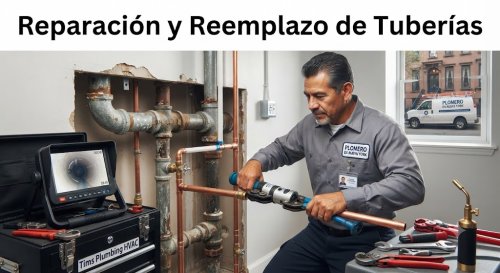
Sewer line repair refers to the process of fixing, sealing, or replacing the underground pipe that carries all wastewater from your home or business out to the municipal sewer main or septic system.
Common situations requiring repair include recurring basement or yard backups, structural collapses, or severe root blockages. Symptoms often manifest as multiple slow drains, foul sewage odors around your property, or lush, green patches of grass over the sewer line path during dry spells. For example, if flushing your toilet causes water to bubble up in your bathtub, your main sewer line is likely compromised.
Why Does This Plumbing Problem Happen?
Sewer lines face immense pressure from environmental factors, daily wear, and material degradation. In New Orleans, several specific culprits frequently cause sewer line failure:
1. Aging Infrastructure and Pipe Corrosion
Many homes throughout Mid-City and the French Quarter still rely on older materials like cast iron, clay, or Orangeburg pipe. Over decades, these materials corrode, crack, or completely collapse under shifting soil.
2. Invasive Tree Roots
New Orleans is famous for its gorgeous, sprawling oak trees. Unfortunately, tree roots naturally seek out moisture and nutrients, infiltrating tiny cracks or joints in sewer lines. Once inside, they expand, catching waste and causing total blockages or pipe fractures.
3. Shifting Soil and High Water Table
Our region's high water table and saturated soil conditions can cause ground movement. This shifts underground pipes, causing joints to pull apart or pipe sections to sag (known as a "belly"), which collects debris and stops proper wastewater flow.
4. Flushing Non-Flushable Items
Despite the label, items like "flushable" wipes, paper towels, feminine hygiene products, and grease do not break down safely. They accumulate over time in the sewer line, forming massive blockages that crack or stress the pipe walls.
Signs You Should Never Ignore
Ignoring early warning signs of a failing sewer line can turn a minor repair into a major excavation project. Watch out for these critical red flags:
-
Multiple Slow Drains: If your sinks, showers, and toilets are all draining slowly at the same time, the blockage is deep in the main line.
-
Foul Sewage Smells: Persistent sewer gas odors inside your home or pooling around your yard indicate a leak, break, or venting issue.
-
Soggy Patches in the Yard: Unexplained, foul-smelling wet spots or exceptionally lush grass patches on your lawn usually point to a leaking underground sewer line.
-
Gurgling Drains: Hearing gurgling sounds from your toilet or tub when using the washing machine means air is trapped by a downstream blockage.
-
Pest Infestations: Cracks in sewer lines can attract rodents and insects, leading to unexpected infestations inside or around the foundation.
Common Plumbing Problems Related to This Issue
A damaged sewer line rarely happens in total isolation. It often creates or stems from secondary plumbing issues:
-
Drain Clogs: Main line restrictions cause secondary backups across multiple household fixtures.
-
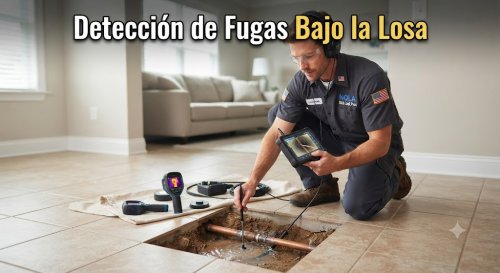
Slab Leaks: Shifted ground or broken pipes beneath a concrete foundation can undermine structural integrity.
-
Fixture Damage: Severe backups can cause toilets and tubs to overflow, ruining flooring, drywall, and baseboards.
-
Foundation Shifts: Persistent underground leaks can wash away soil supporting your home's foundation.
Step-By-Step Professional Repair Process
When you hire a licensed plumbing professional in the Greater New Orleans area, they follow an industry-standard diagnostic and repair workflow:
Step 1: Initial Inspection The plumber evaluates your symptoms, checks cleanouts, and determines the scope of the problem.
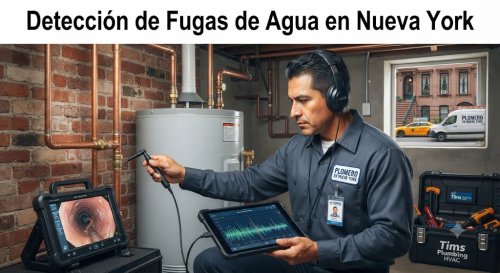
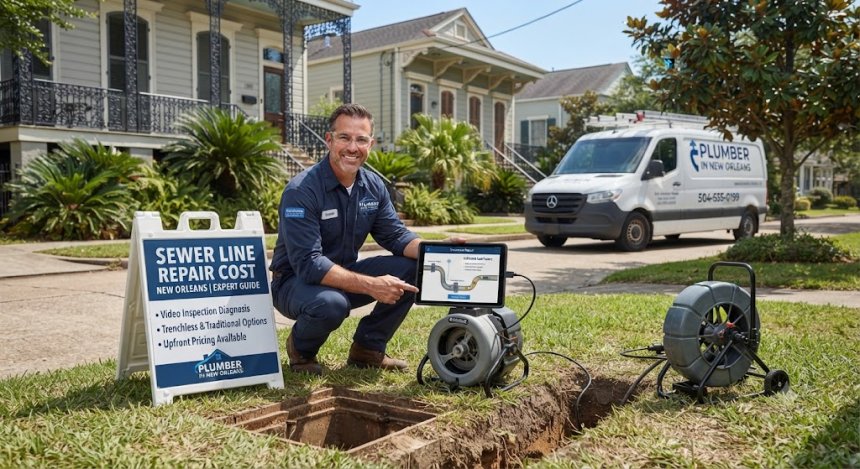
Step 2: Video Camera Diagnosis A specialized, waterproof fiber-optic camera is fed into the cleanout to view the exact interior condition of the pipe, identifying cracks, roots, or bellies with pinpoint accuracy.
Step 3: Upfront Estimate The technician presents the findings and outlines all available repair options, providing a clear, upfront estimate before any physical work begins.
Step 4: Professional Repair or Trenchless Rehabilitation The plumber executes the repair, which may involve traditional excavation or advanced trenchless lining methods that leave your landscaping intact.
Step 5: System Testing After completing the fix, the plumber runs water and conducts pressure or flow tests to ensure the line is completely clear and structurally sound.
Step 6: Site Cleanup The workspace is cleaned thoroughly, leaving your home or yard tidy.
Step 7: Maintenance Advice The professional provides customized tips to prevent future line degradation.
Can You Fix It Yourself?
When it comes to main sewer lines, DIY repair is impossible and extremely dangerous.
Safe DIY Actions:
-
Limiting water usage during a suspected backup to prevent indoor flooding.
-
Using a manual plunger for minor, single-fixture clogs that haven't affected the main line.
When DIY Becomes Dangerous:
Attempting to clear a main sewer line with chemical drain cleaners or rental augers without professional training can cause catastrophic harm. Chemical cleaners sit inside broken pipes, risking severe chemical burns or toxic reactions. Furthermore, aggressive store-bought augers can puncture fragile, aging cast iron or clay pipes, turning a small root intrusion into a collapsed yard disaster. Always leave sewer line diagnosis and repair to licensed professionals equipped with proper safety gear.
Tools Professionals Use
Professional plumbers rely on advanced, heavy-duty technology to diagnose and fix sewer lines efficiently:
-
Drain Inspection Cameras: High-resolution cameras with built-in radio transmitters to map exact underground paths and depths.
-
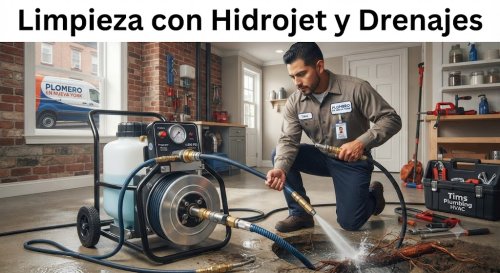
Hydro Jetters: High-pressure water stream units that blast away stubborn grease, scale, and root mats from pipe walls.
-
Pipe Locators: Equipment used above ground to pick up camera sonde signals, preventing unnecessary guesswork and digging.
-
Trenchless Pipe Lining Equipment: Epoxy resin systems that create a brand-new "pipe-within-a-pipe" without tearing up your driveway or historic New Orleans landscaping.
How Long Does the Repair Usually Take?
The timeline for sewer line work varies based on the severity and repair technique chosen:
-
Camera Inspections & Minor Clog Clearings: Usually take 1 to 2 hours.
-
Hydro Jetting Main Lines: Takes roughly 2 to 4 hours depending on root density and grease buildup.
-
Trenchless Pipe Lining or Bursting: Typically completed in 1 to 2 days with minimal disruption to your property.
-
Traditional Excavation & Replacement: Can take anywhere from 2 to 5 days depending on the depth of the line, local permitting, and restoration requirements.
Cost Factors
Sewer line repair costs vary depending on the severity of the problem, accessibility, materials required, emergency service, property type, and local labor rates.
To help you understand the components behind an estimate, consider these primary cost drivers:
-
Diagnostic Fees: Initial camera inspection fees to locate the exact break.
-
Depth and Accessibility: Pipes buried deep beneath concrete slabs or historic paving stones require more labor than lines sitting in an accessible yard trench.
-
Repair Method: Trenchless repairs often save money on landscaping and hardscape restoration compared to traditional trench digging.
-
Permit and Inspection Costs: Local municipal requirements in Orleans or Jefferson Parish may mandate specific permits.
-
Extent of Damage: Spot repairs on a single cracked joint cost significantly less than replacing an entire collapsed sewer line run.
Hidden Truths Homeowners Should Know
Understanding the realities of underground plumbing can save you from unexpected financial strain:
-
Small Backups Become Expensive Failures: A slow-draining tub today is often a collapsed sewer line tomorrow if left unaddressed.
-
Cheap Fixes Fail: Pouring store-bought acid down a drain will not stop tree roots or fix a broken pipe joint.
-
Insurance Gaps: Standard homeowners insurance policies rarely cover sewer line damage caused by wear, age, or tree roots unless you have a specific endorsement or rider.
-
Tree Roots Return: If roots entered a cracked clay pipe once, they will return unless the pipe is structurally lined or replaced.
-
Hard Water and Scale: Local mineral content accelerates interior pipe scaling, narrowing the inner diameter over time.
-
Hidden Utility Spike: Unnoticed line breaks can sometimes create underground saturation that affects yard stability.
-
Mold Risks: Wastewater leaks under flooring create black mold within 24 to 48 hours.
-
Proactive Maintenance Pays: Annual camera inspections catch minor root intrusions before they transform into emergency backups.
15 Common Mistakes Homeowners Make
Avoid these frequent pitfalls to protect your sewer system:
-
Ignoring Slow Drains: Treating them as minor inconveniences instead of early warning signs.
-
Using Chemical Drain Cleaners: Corrodes older metal and clay lines.
-
Flushing "Wipes": Assuming flushable wipes disintegrate like toilet paper.
-
Pouring Grease Down Sinks: Solidifies and traps debris down the line.
-
Planting Trees Too Close to Sewer Lines: Large trees planted over utility paths guarantee future root intrusion.
-
Hiring Unlicensed Handymen: Risking code violations and improper installation.
-
Skipping Annual Inspections: Waiting until raw sewage backs up into the house.
-
Ignoring Gurgling Toilets: Failing to recognize trapped air as a sign of main line restriction.
-
Over-Tightening Fixture Connections: Causing unnecessary stress on older valves and supply lines.
-
Using Wrong Pipe Materials: Mixing incompatible PVC and cast iron without proper transitions.
-
Overloading Garbage Disposals: Dumping fibrous or starchy waste down kitchen drains.
-
Neglecting Cleanout Caps: Leaving cleanout pipes open, allowing dirt and debris to enter the line.
-
Ignoring Water Pressure Fluctuations: Stressing overall plumbing infrastructure.
-
Waiting for Total Failure: Delaying repairs until emergency rates apply.
-
Failing to Locate Main Shut-Offs: Wasting precious time during major leaks.
Maintenance Tips
Keep your sewer system running smoothly with these practical preventative strategies:
-
Watch What You Flush: Stick strictly to human waste and standard toilet paper.
-
Scrape Plates: Dispose of oils and cooking fats in the trash, never down the drain.
-
Use Strainers: Keep hair and food scraps out of branch drains.
-
Mind Your Landscaping: Avoid planting water-loving shade trees near your home's main sewer lateral.
-
Schedule Annual Camera Checks: Have a professional inspect your lines every couple of years, especially in older New Orleans neighborhoods with mature trees.
-
Enzymatic Treatments: Use monthly eco-friendly, enzyme-based drain maintainers to break down organic buildup safely.
When Should You Call an Emergency Plumber?
Certain plumbing crises demand immediate, 24/7 intervention:
-
Total Sewage Backup: When raw sewage begins bubbling up through multiple household drains or floor drains.
-
Complete Loss of Drainage: When no fixture in the house will drain, making the home uninhabitable.
-
Major Main Line Collapses: Sudden ground depressions or flooding near the property line.
Immediate action prevents severe health hazards and extensive property contamination.
Frequently Asked Questions
Why is my water pressure suddenly low? Sudden low pressure can stem from a main service line restriction, a partially closed shut-off valve, or a hidden leak. A professional pressure test will identify the root cause.
How much does leak detection cost? Leak detection costs vary based on pipe accessibility and whether specialized electronic listening or thermal imaging equipment is required. Reputable providers offer clear upfront rates.
Can a clogged drain damage pipes? Yes. Persistent blockages increase internal hydrostatic pressure, causing joints to leak, seals to blow, or weakened pipes to crack.
Is hydro jetting safe for old pipes? When performed by a trained professional following a pre-inspection camera check to verify structural integrity, hydro jetting is safe and exceptionally effective for restoring old New Orleans lines.
How do I know if my sewer line is broken? Key indicators include multiple slow drains, gurgling sounds, unpleasant sewage odors in the yard, and lush, damp patches of grass over the pipe path.
How long do water heaters last? Standard tank water heaters typically last between 8 to 12 years, depending on maintenance, water hardness, and anode rod replacement.
Why does my faucet drip? Dripping faucets are usually caused by worn-out rubber washers, O-rings, or corroded valve seats inside the fixture handle.
What causes pipes to burst? Pipes typically burst due to extreme internal pressure spikes, severe clogs, physical ground shifting, or freezing temperatures.
Can plumbing leaks increase my water bill? Absolutely. Even a small, hidden underground leak can waste thousands of gallons over a billing cycle, driving utility costs up drastically.
When should I replace plumbing instead of repairing it? If your pipes experience frequent recurring failures, extensive corrosion, or widespread material degradation (such as crumbling cast iron), replacement is far more cost-effective long-term than endless patch repairs.
Why Choose Our Plumbing Company
When you partner with Plumber in New Orleans, you get a dedicated team committed to excellence:
-
Experienced Licensed Plumbers: Fully certified professionals trained in local plumbing codes.
-
Honest Recommendations: Straightforward advice tailored to your home's actual needs.
-
Upfront Estimates: Transparent pricing with zero hidden fees or surprise charges.
-
Fast Response & Emergency Availability: Ready to assist across New Orleans, Metairie, Kenner, and surrounding neighborhoods 24/7.
-
Modern Equipment: Utilizing state-of-the-art cameras, hydro jetters, and trenchless repair tech.
-
Local Expertise: Deep familiarity with New Orleans soil, historical architecture, and municipal infrastructure.