Common Causes of Low Water Pressure in Older New Orleans Homes
Discover why older New Orleans homes suffer from low water pressure, from mineral scale and corroded pipes to municipal supply issues.

Understanding Low Water Pressure in Historic New Orleans Properties
Stepping into a historic New Orleans home—whether it's a raised Creole cottage in Faubourg Marigny or a classic double shotgun in Uptown—comes with a distinct appreciation for local architecture. However, these older properties often present unique plumbing challenges. One of the most frequent complaints homeowners and property managers face is sluggish, frustratingly low water pressure. When your morning shower feels more like a gentle drizzle, it is usually a sign that your plumbing system is struggling with age-related wear, material degradation, or localized buildup.
As a professional working in the region for decades, I've seen how the combination of aging infrastructure and local water conditions impacts residential plumbing. Addressing this issue requires looking beyond temporary fixes and understanding the root mechanical causes behind restricted water flow.
1. Galvanized Pipe Interior Corrosion and Mineral Scale
Many historic homes in New Orleans were originally built or retrofitted with galvanized steel supply pipes. Over decades of continuous use, these iron pipes undergo an internal rusting and oxidation process.
As corrosion takes hold, the inside diameter of the pipe progressively narrows. This buildup chokes the volume of water traveling through the line. Furthermore, mineral deposits and sediment present in regional water supplies can adhere to these rough, corroded surfaces, compounding the restriction. If your home still utilizes original galvanized piping, whole-house repiping with modern PEX or copper is often the only permanent solution to restore robust pressure.
2. Outdated Pressure Regulators and Shut-Off Valves
Water pressure entering a property from the municipal supply main must be controlled so it does not damage interior fixtures. Most properties rely on a Pressure Reducing Valve (PRV) installed near the main water shut-off.
Over time, the internal springs and rubber diaphragms inside older PRVs wear out, seize up, or become clogged with sediment and debris. When a PRV fails, it often defaults to a closed or restricted position, choking off water pressure to every fixture in the house. Similarly, partially closed main gate valves or old-style globe valves can create severe flow bottlenecks if they have not been fully opened or serviced in years.
3. Localized Fixture Clogs and Aerator Buildup
Sometimes, low water pressure is isolated to a single sink, shower, or bathroom. In these instances, the issue is typically right at the point of delivery rather than deep within the plumbing skeleton.
Hard water minerals, calcium, and lime scale frequently accumulate inside faucet aerators and showerheads. In New Orleans, where mineral content can cause crusty white buildup, routine cleaning or replacement of these small mesh screens often yields an immediate, dramatic improvement in spray force. If removing the aerator restores pressure, the fix is as simple as soaking the component in a vinegar solution to dissolve the mineral deposits.
4. Aging Water Supply Lines and Municipal Factors
Your home's internal plumbing is only half the equation. The lateral supply line running from the city water main in the street to your home's foundation can also be a culprit.
Older properties frequently feature aging service lines made of galvanized iron or early plastic materials that have settled, cracked, or become constricted by root intrusion and soil shifting. Additionally, neighborhood-wide infrastructure updates or temporary maintenance by the Sewerage and Water Board of New Orleans can occasionally cause sudden, temporary pressure drops. Checking with neighbors can help determine if the issue is localized entirely to your property or shared by the block.
Diagnostic Approach for Homeowners
When troubleshooting low water pressure, systematic observation helps pinpoint the problem:
- Check multiple fixtures: Determine if only one faucet is affected or if the entire house has low pressure.
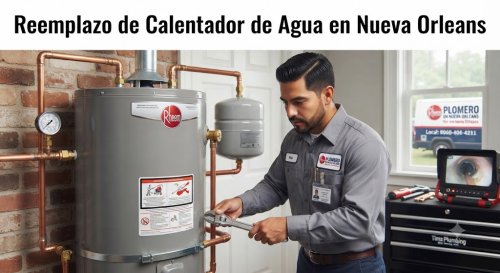
- Inspect hot and cold lines: If low pressure occurs exclusively when using hot water, the issue may be sediment buildup inside your water heater rather than the supply lines.
- Examine valves: Verify that the main water meter valve and the primary indoor shut-off valve are completely open.
If simple fixture cleaning and valve checks do not resolve the problem, consulting a qualified residential plumber in New Orleans ensures an accurate diagnosis using professional pressure gauges and inspection tools.