Emergency Plumber Bywater: Overflowing Toilet Guide
Facing an overflowing toilet in Bywater, New Orleans? Discover urgent steps, causes, warning signs, and local emergency plumbing services.
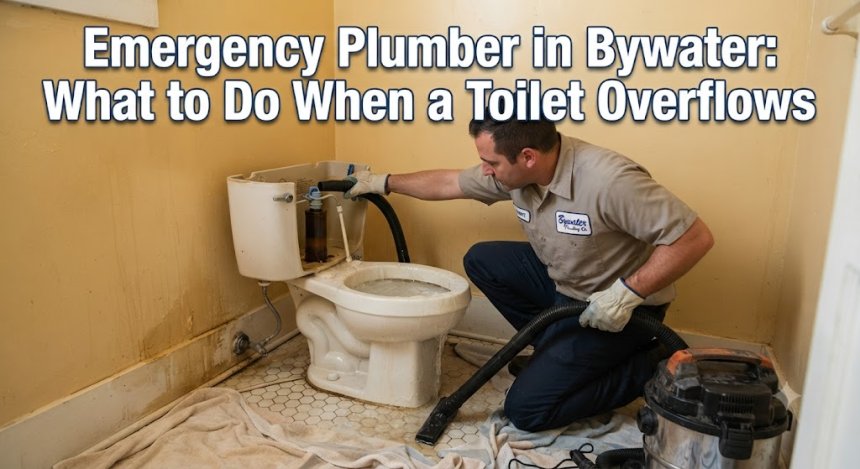
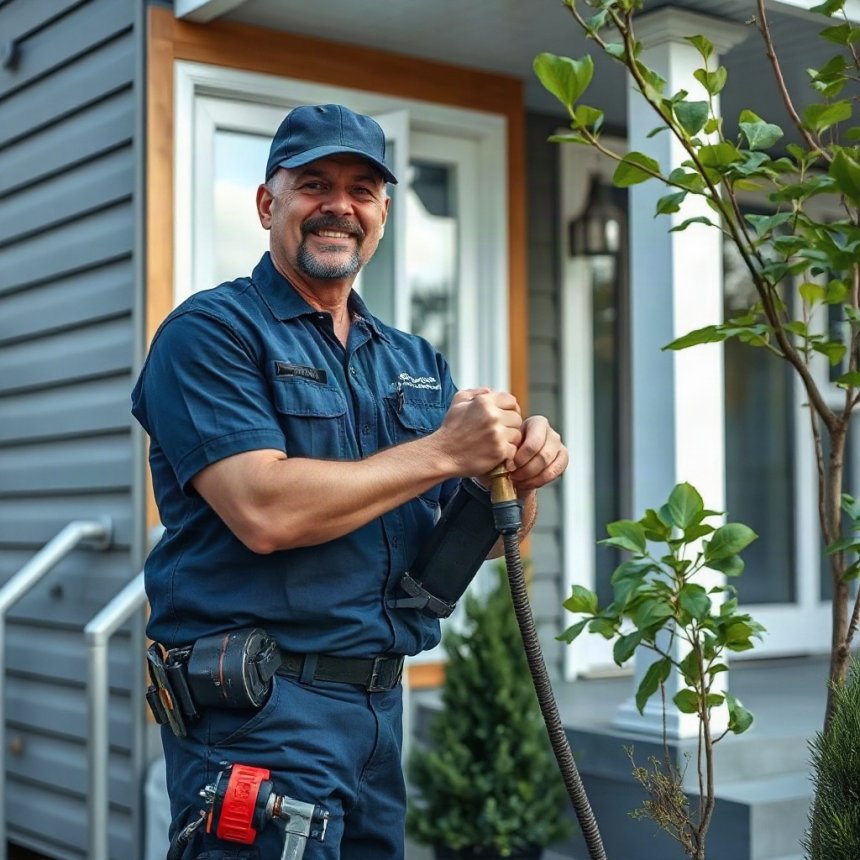
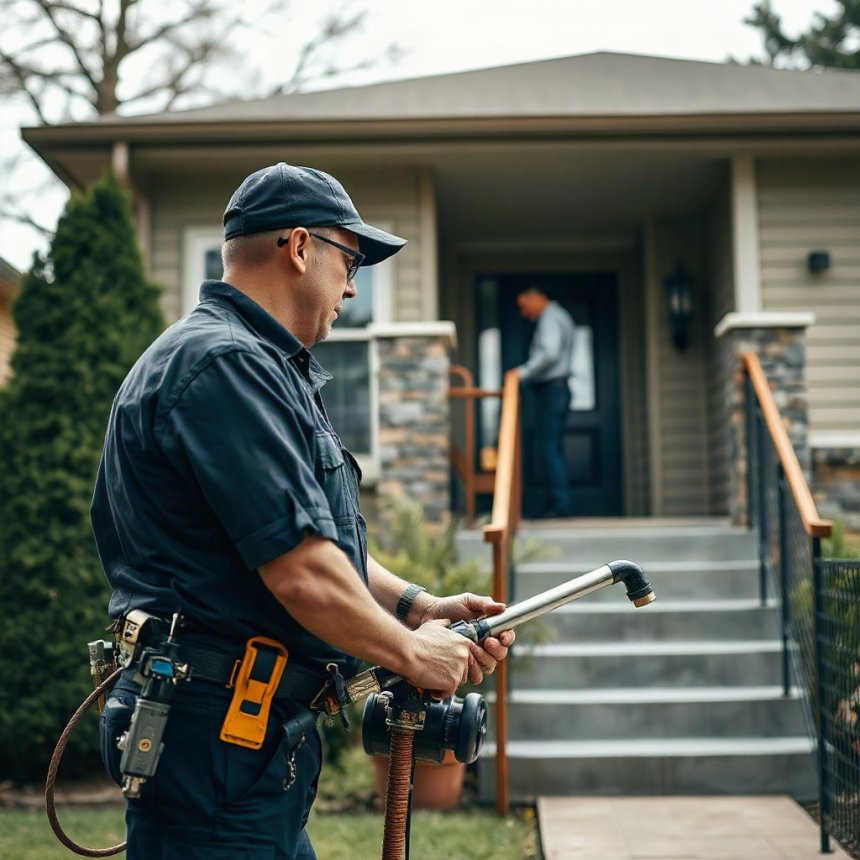
An emergency plumber in Bywater is often the lifeline a homeowner needs when water starts spilling uncontrollably across the bathroom floor. Bywater, celebrated for its colorful historic Creole cottages, converted industrial warehouses, and vibrant artistic community in Orleans Parish, features a unique blend of vintage architecture and aging plumbing networks. When an unexpected blockage or mechanical failure causes a fixture to flood your home, it transforms from a household nuisance into an urgent property hazard. Knowing how to react swiftly can prevent structural rot, warping of historic hardwood floors, and costly remediation across neighborhoods from St. Claude Avenue down to Crescent Park.
What Is an Overflowing Toilet?
An overflowing toilet is a critical plumbing malfunction where water and waste rise inside the toilet bowl and spill over the rim onto the surrounding flooring instead of draining away safely through the sanitary waste line.
Common situations involve flushing a toilet only to watch the water level climb ominously toward the brim, or discovering that a flapper valve stuck open has allowed continuous running water to swamp the bathroom overnight. In historic Bywater properties, which often feature older gravity-fed systems and narrow cast-iron drain stacks, an overflow can be triggered by a simple toy trapped in the trapway or a deeper obstruction in the main sewer lateral shared with the street.
Why Does This Plumbing Problem Happen?
Toilet overflows in New Orleans are driven by physical blockages, mechanical wear within the tank assembly, and environmental challenges common to low-lying historic neighborhoods.
-
Foreign Objects and Excessive Paper: Flushing non-flushable items, excessive wads of toilet paper, children's toys, or personal hygiene products instantly creates a dense plug inside the S-trap of the porcelain bowl.
-
Aging Flapper and Fill Valves: Worn rubber flappers that fail to seal properly or misadjusted float mechanisms cause water to run continuously into the bowl, overpowering the drain capacity.
-
Main Sewer Line Blockages: If multiple fixtures throughout the house are draining sluggishly or backing up, the problem is likely a main line obstruction rather than a single toilet fault.
-
Corrosion and Mineral Buildup: Hard water deposits and rust can obstruct the rim jets inside the bowl, preventing water from circulating correctly during a flush.
-
Venting Issues: Blocked roof vent stacks prevent proper airflow, creating negative pressure that slows down waste discharge and leads to frequent pooling.
-
Historic Pipe Shifting: Ground movement in Orleans Parish can cause old clay or cast-iron waste lines beneath homes to sag, creating dead zones where solid waste accumulates.
Signs You Should Never Ignore
Recognizing early indicators of toilet trouble can save you from waking up to standing sewage on your bathroom floor.
-
Sluggish Flushing Action: When the water in the bowl drains away slowly after a flush, it indicates a developing partial clog in the trap or branch line.
-
Gurgling Sounds: Hearing strange bubbling noises from your bathtub or sink when flushing the toilet means air is trapped due to a venting failure or main line restriction.
-
Water Pooling Around the Base: Finding unexplained moisture or puddles around the floor flange means the wax ring seal has degraded, often exacerbated by rocking or loose anchor bolts.
-
Frequent Manual Plunging: If you find yourself reaching for the plunger on a weekly basis, a deeper obstruction or venting issue is actively compromising your system.
-
Unpleasant Sewage Odors: Persistent sewer gases escaping from dried-up P-traps or faulty wax rings signal underlying venting or drainage failures.
Common Plumbing Problems Related to Toilet Overflows
Toilet overflows rarely occur in isolation and are frequently connected to broader plumbing system vulnerabilities found across historic New Orleans homes.
-
Main Drain Clogs: Blockages located where individual bathroom branch lines meet the main building drain.
-
Broken Sewer Laterals: Structural collapses in the underground pipe running from your foundation to the municipal main.
-
Damaged Wax Ring Seals: Water erosion beneath the porcelain base that compromises subfloor integrity.
-
Faulty Fill Assemblies: Tank components that fail to shut off water supply automatically.
-
Slab Leaks and Subfloor Rot: Persistent moisture exposure that rots historic timber floor joists common in Bywater cottages.
Step-by-Step Professional Repair Process
When you call a licensed plumbing professional in New Orleans to resolve a severe toilet emergency, they follow a rigorous, methodical protocol.
-
Step 1: Immediate Water Shutoff: The technician locates and closes the dedicated supply valve behind the toilet to stop incoming water instantly.
-
Step 2: Diagnostic Assessment: The plumber inspects the bowl, tank mechanism, and surrounding floor flange to determine whether the issue is mechanical or block-related.
-
Step 3: Professional Clearing: Using specialized closet augers or commercial snakes, the technician clears the trapway without scratching the porcelain.
-
Step 4: Component Repair or Replacement: If the flush mechanism, flapper, or fill valve is worn out, commercial-grade replacement parts are installed.
-
Step 5: Flange and Seal Verification: The technician checks the stability of the toilet and replaces compromised wax rings or loose floor bolts.
-
Step 6: Flow Testing: Multiple test flushes are conducted to ensure optimal water velocity and drainage performance.
-
Step 7: Cleanup and Advice: The work area is sanitized, and the homeowner receives preventative maintenance tips tailored to their specific property type.
Can You Fix It Yourself?
Homeowners can safely handle minor fixture clogs, but understanding the limits of DIY intervention prevents property damage.
-
Safe DIY Solutions: Using a standard flange plunger (cup plunger with a fold-out flap) can clear most standard toilet paper blockages effectively.
-
Temporary Fixes: If water keeps rising, immediately remove the tank lid and push down the rubber flapper or turn off the wall shutoff valve.
-
What You Can Safely Do: Wipe up minor spills around the base with old towels and ventilate the bathroom to prevent humidity buildup.
-
When DIY Becomes Dangerous: Pumping chemical drain openers into an overflowing toilet is extremely hazardous; standing water mixed with corrosive chemicals can splash onto skin and eyes.
-
When Professional Plumbing is Necessary: Call a licensed professional if the toilet overflows repeatedly, if plunging fails entirely, or if multiple home drains back up simultaneously.
Tools Professionals Use
Modern plumbing relies on specialized equipment to diagnose and resolve bathroom emergencies with absolute precision.
-
Closet Augers (Toilet Snakes): Heavy-duty steel cables with protective rubber guards designed to navigate porcelain curves without cracking the bowl while breaking up dense clogs.
-
Drain Inspection Cameras: Waterproof fiber-optic cameras used to inspect branch lines and main sewer pipes for hidden structural damage or root intrusion.
-
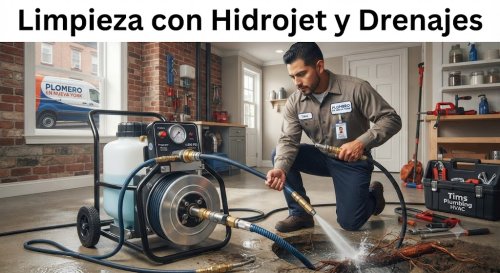
Hydro Jetting Systems: High-pressure water equipment that scours grease, scale, and stubborn debris from interior pipe walls.
-
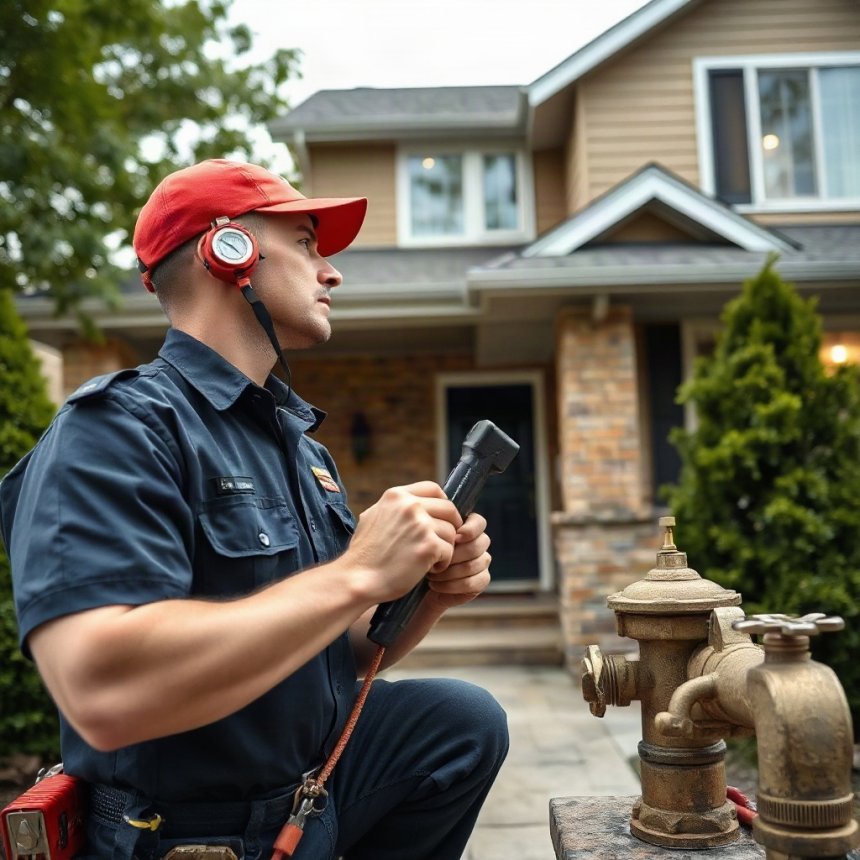
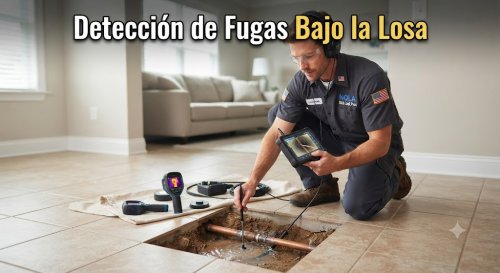
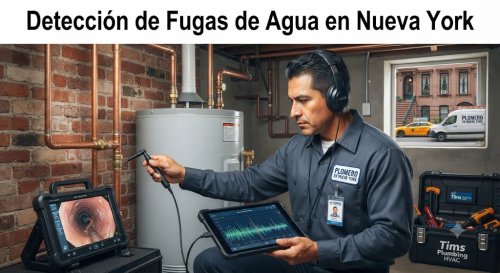
Electronic Leak Detectors: Acoustic listening devices and thermal cameras used to trace hidden water leaks beneath floors and inside walls.
-
Pneumatic Pressure Testers: Equipment used to verify the integrity of waste and supply lines during major repairs.
How Long Does the Repair Usually Take?
Repair timelines depend entirely on the root cause and mechanical complexity of the plumbing failure.
-
Simple Augering: 30 to 60 minutes for standard blockage removal and testing.
-
Flush Valve Replacement: 45 to 90 minutes to swap out worn internal tank mechanisms.
-
Wax Ring and Flange Repair: 1 to 2 hours if the toilet must be pulled, resealed, and bolted down.
-
Main Line Clearing: 2 to 4 hours if the blockage extends deep into the property's main drainage system.
-
Factors Affecting Time: Pipe accessibility, age of fixtures, corrosion levels on shutoff valves, and extent of subfloor water saturation.
Cost Factors
Professional plumbing investments vary based on specific job requirements.
-
Diagnostic Fees: Standard service call charges for dispatching a licensed technician to your location.
-
Nature of the Blockage: Simple fixture clogs versus complex main sewer line obstructions.
-
Parts and Hardware: Replacing standard flappers versus upgrading complete flush assemblies or damaged porcelain.
-
Emergency Service Rates: Premium fees applied for after-hours, weekend, or holiday dispatch.
-
Accessibility and Property Type: Working within tight spaces in historic raised structures versus modern slab builds.
-
Cost Overview: Plumbing repair costs vary depending on the severity of the problem, accessibility, materials required, emergency service, property type, and local labor rates.
Hidden Truths Homeowners Should Know
Operating a home in New Orleans involves distinct structural realities that every property owner must navigate.
-
Small Overflows Rot Subfloors: Trapped water beneath historic heart-pine flooring encourages rapid structural decay and termite attraction.
-
Chemical Cleaners Destroy Porcelain and Pipes: Store-bought acids generate extreme heat that can crack toilet porcelain and eat through aging metal traps.
-
Insurance Exclusions: Standard homeowner policies often deny claims for water damage resulting from deferred plumbing maintenance.
-
Flushable Wipes Lie: Products labeled "flushable" do not disintegrate rapidly in wastewater systems and are the leading cause of modern toilet clogs.
-
Hard Water Wears Out Valves: Local mineral content accelerates wear on rubber seals and flush mechanisms.
-
DIY Mistakes Compound Costs: Overtightening supply line nuts can crack porcelain tanks, turning a minor fix into a full fixture replacement.
-
Delaying Repairs Invites Mold: New Orleans humidity combined with overflow moisture creates toxic mold colonies within 24 hours.
-
Hidden Flange Leaks: A slow leak at the toilet base can rot floor joists entirely out of sight before showing surface signs.
-
Annual Maintenance Saves Money: Routine checkups prevent midnight emergency plumbing calls.
15 Common Mistakes Homeowners Make
Avoiding these frequent errors will protect your plumbing infrastructure and save you from unnecessary repair bills.
-
Re-flushing an Overfull Toilet: Attempting to flush a second time when the bowl is already full, guaranteeing an immediate floor spill.
-
Using Chemical Drain Openers: Pouring harsh liquid chemicals into a backed-up toilet bowl where they can splash back dangerously.
-
Flushing Wipes and Cotton: Treating toilets like trash bins by disposing of paper towels, wipes, and feminine hygiene items.
-
Ignoring a Running Toilet: Allowing a malfunctioning flapper to waste water continuously for days or weeks.
-
Hiring Unlicensed Handymen: Trusting complex plumbing repairs to unqualified individuals without proper licensing or insurance.
-
Skipping Regular Maintenance: Operating plumbing fixtures for decades without professional inspections or tune-ups.
-
Waiting Until Total Failure: Delaying service calls for minor sluggishness until a full emergency overflow occurs.
-
Over-Tightening Supply Connections: Applying excessive wrench force to fragile plastic or old metal supply nuts.
-
Using Incorrect Replacement Parts: Installing generic hardware that fails to match the specific flush volume of your toilet model.
-
Ignoring Wobbling Toilets: Failing to secure loose anchor bolts, which quickly destroys the wax ring seal.
-
Pouring Grease Down Sinks: Disposing of cooking oils that travel through branch lines and combine with toilet waste to form impenetrable clogs.
-
Failing to Locate Main Shutoff: Not knowing where or how to turn off the home's water supply during a catastrophic leak.
-
Overloading Septic or Sewer Systems: Disposing of heavy paper products or harsh disinfectants that kill beneficial bacteria.
-
Ignoring Slow Drains: Waiting until multiple fixtures back up before investigating main line restrictions.
-
Relying on Plungers for Main Clogs: Trying to force a main sewer backup with a standard toilet plunger.
Maintenance Tips
Implement these practical, seasonal maintenance strategies to keep your Bywater plumbing system performing reliably year-round.
-
Test the Shutoff Valve: Annually turn your toilet's water supply valve off and on to prevent it from seizing up.
-
Inspect the Flapper: Check rubber flappers every six months for warping, cracking, or mineral buildup.
-
Educate Household Members: Ensure everyone knows to flush only human waste and toilet paper.
-
Avoid Chemical Openers: Rely exclusively on mechanical plunging or professional hydro jetting for stubborn blockages.
-
Check for Base Leaks: Periodically feel around the base of the toilet for dampness or softness in the flooring.
-
Install Mesh Drain Catchers: Use sink strainers to prevent hair and debris from entering shared branch lines.
-
Monitor Water Bills: Track monthly utility statements for unexpected spikes indicating hidden running toilets.
-
Service Sump Pumps Seasonally: Test basement or crawlspace pumps before heavy seasonal rainstorms arrive.
-
Protect Exposed Pipes: Insulate exterior supply lines during rare freezing winter weather in Southeast Louisiana.
-
Clean Rim Jets: Descale mineral deposits from bowl rim holes using a soft brush and vinegar solution.
-
Adjust Water Levels: Ensure the tank float is set to the manufacturer's recommended water line mark.
-
Replace Supply Hoses: Upgrade old rubber supply lines to braided stainless steel hoses every five years.
-
Schedule Annual Inspections: Have a licensed plumber evaluate your drainage and water supply systems once a year.
-
Keep Cleanouts Clear: Ensure outdoor and indoor sewer cleanout caps remain accessible and unburied by landscaping.
-
Address Drips Immediately: Repair minor faucet and valve drips before they evolve into major plumbing emergencies.
When Should You Call an Emergency Plumber?
Certain plumbing scenarios cannot wait for regular business hours and require immediate professional intervention.
-
Uncontrollable Overflowing Toilets: Water continuously spilling over the bowl rim despite closing the local supply valve.
-
Burst Water Supply Pipes: Sudden structural pipe failures spraying pressurized water inside walls or ceilings.
-
Total Loss of Water Pressure: Sudden, unexplained loss of water supply across your entire property.
-
Sewage Backing Up Into Tubs: Raw wastewater emerging from lowest household drains during a main line failure.
-
Gas Line Concerns: Any suspicion of a natural gas leak near your water heater or appliances (evacuate immediately).
-
Major Structural Flooding: Rapidly accumulating water threatening electrical outlets and subfloor framing.
Frequently Asked Questions
Why is my water pressure suddenly low? Sudden low pressure is typically caused by a partially closed main valve, a failing pressure regulator, or a hidden leak in your supply line.
How much does leak detection cost? Leak detection pricing varies based on the property size, pipe accessibility, and advanced acoustic or thermal equipment required by the technician.
Can a clogged drain damage pipes? Yes. Persistent clogs increase internal hydraulic pressure, which stresses pipe joints and can cause cracks or structural bursts over time.
Is hydro jetting safe for old pipes? A licensed plumber must perform a camera inspection first; while safe for sound pipes, hydro jetting can damage severely compromised or collapsed historic lines.
How do I know if my sewer line is broken? Frequent backups, persistent foul odors, soggy lawn patches, and gurgling drains are the primary indicators of a broken sewer line.
How long do water heaters last? Standard tank water heaters typically last between 8 to 12 years, while tankless units can operate efficiently for 15 to 20 years with maintenance.
Why does my faucet drip? Dripping faucets are usually caused by worn-out rubber washers, degraded O-rings, or mineral accumulation inside the valve cartridge.
What causes pipes to burst? Freezing temperatures, extreme age, high municipal water pressure, and heavy soil shifting are the leading causes of pipe bursts.
Can plumbing leaks increase my water bill? Even a small pinhole leak can waste thousands of gallons of water per month, resulting in a significantly inflated municipal utility bill.
When should I replace plumbing instead of repairing it? You should consider full replacement when pipes experience repeated failures, extensive corrosion, material degradation, or frequent root intrusions.