Common Causes of Low Water Pressure in Older New Orleans Homes
Discover why older homes in New Orleans experience low water pressure, from mineral buildup to aging galvanized pipes, and learn what solutions exist.
Living in a historic home in neighborhoods like the French Quarter, Faubourg Marigny, or Uptown New Orleans offers unmatched architectural charm. However, these older properties often come with aging infrastructure that can lead to frustrating plumbing issues. One of the most common complaints from local homeowners is a sudden or gradual drop in water pressure throughout the house. Understanding why this happens is the first step toward restoring a steady flow.
Aging Galvanized Steel Pipes
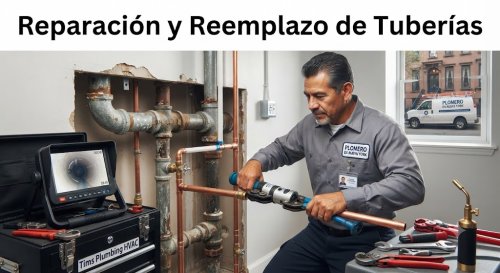
Many older residences in New Orleans were originally built or retrofitted with galvanized steel supply lines. Over decades of service, the zinc coating inside these pipes begins to wear away. Once exposed to moisture, the underlying steel rusts and flakes off. This internal corrosion severely restricts the inner diameter of the pipe, choking off water volume and reducing pressure at your fixtures. If your home still utilizes original metal piping, whole-house repiping is often the only permanent solution to restore robust water pressure.
Corroded galvanized lines also tend to accumulate sediment and mineral scale, making the restriction even worse. Plumbers working in the area frequently encounter these deteriorated lines during routine repairs and bathroom updates.
Mineral Buildup and Hard Water Deposits
While municipal water is treated, local mineral content and aging service lines can deposit scale inside plumbing fixtures. Over time, calcium and lime buildup accumulates inside faucet aerators, showerheads, and shut-off valves. This restriction is usually localized. If you notice weak flow at only one sink or shower while the rest of the house functions normally, unscrewing the aerator and cleaning out trapped sediment will often solve the problem immediately.
Partial Main Shut-Off Valve Restrictions
Sometimes the issue originates right at the property's main water supply valve. Older gate valves, which are common in historic New Orleans properties, use a threaded internal wedge to stop water flow. Over time, the mechanism can slip, break, or become stuck in a partially closed position. If the main valve is not fully open, it throttles the incoming volume of water, resulting in low pressure at every tap in the home. Checking the main shut-off—typically located near the water meter or where the main line enters the crawlspace—ensures it is completely open.
Underground Leaks and Saturated Ground
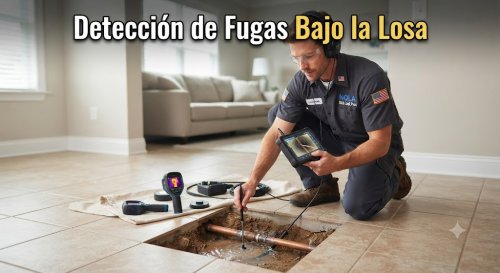
New Orleans is famous for its high water table and shifting soils. Ground movement, settling foundations, and tree root intrusion can place immense stress on underground supply lines running from the street meter to your foundation. If a pipe cracks or breaks underground, a significant portion of your water escapes into the surrounding soil before ever reaching your interior fixtures. A sudden, unexplained drop in pressure accompanied by an unusually high water bill often points to an underground water leak requiring professional leak detection.
Pressure Regulator Malfunctions
Many modern upgrades to older homes include a Pressure Reducing Valve (PRV) designed to protect indoor plumbing from excessively high municipal water pressure. When a PRV fails, it usually does the opposite of what it is intended to do: it locks up and restricts water from passing through freely. If your water pressure dropped everywhere in the house overnight, a failing pressure regulator is a likely culprit.
Frequently Asked Questions
Why is my low water pressure worse on hot water only?
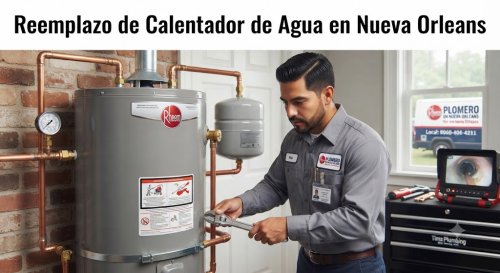
If cold water pressure is fine but hot water is weak, the issue is likely isolated to your water heater or its immediate supply lines. Sediment buildup inside the tank can clog the hot water outlet, or an aging shut-off valve on the inlet side may be restricted.
How can I tell if my low water pressure is a city problem or a home problem?
Test multiple faucets and outdoor hose bibs. If every fixture in the house has low pressure, check with your neighbors to see if they are experiencing similar issues due to local municipal maintenance or main line repairs.
Can clogged faucet aerators cause whole-house low pressure?
No. Clogged aerators only affect the specific faucet or showerhead where they are installed. If all fixtures are running slowly, the restriction is located further up the line in the main supply pipes, valves, or pressure regulator.