Emergency Plumber in Tremé: Fix Sewer Backups Fast
Facing a sewer backup in Tremé, New Orleans? Discover emergency plumber steps, causes, temporary fixes, repair costs, and local expert solutions.
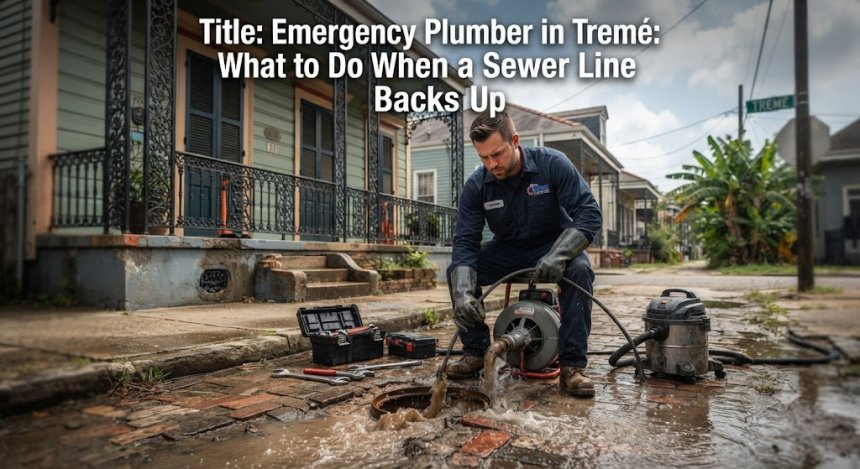
Emergency Plumber in Tremé: What to Do When a Sewer Line Backs Up
Discovering raw wastewater pooling in your bathtub or overflowing from floor drains can instantly throw your household or business into complete disarray. Property owners across historic Tremé, the Lafitte Corridor, and surrounding Orleans Parish neighborhoods frequently encounter severe drainage crises due to aging municipal infrastructure, shifting delta soils, and dense urban tree canopies. When a primary sewer lateral fails, contaminated water threatens your floors, antique architecture, and indoor air quality within minutes. Knowing how to secure an emergency plumber in Tremé is vital for safeguarding your health and preserving your property value. Immediate action prevents hazardous biohazard accumulation and structural undermining, which is why property owners search for reliable, expert guidance before calling for professional intervention.
What Is a Sewer Line Backup?
A sewer line backup occurs when wastewater traveling outward from your home is blocked or forced backward, causing raw sewage to emerge through your lowest household fixtures.
-
Definition: A complete or partial obstruction in the main sewer lateral that prevents wastewater from reaching the city main.
-
Common Situations: Multiple drains gurgling simultaneously when a toilet is flushed, or raw sewage pooling in basement floor drains and ground-floor showers.
-
Symptoms: Slow draining across multiple fixtures, foul gurgling sounds in plumbing traps, unpleasant sulfur odors, and water backing up into unexpected areas.
-
Examples: A homeowner on Rampart Street finding raw wastewater filling their shower basin every time the kitchen sink is emptied.
Why Does This Plumbing Problem Happen?
Understanding the underlying mechanical causes of sewer line failures helps property owners mitigate recurring risks.
-
Aging Pipes: Historic cast iron or clay sewer lines degrade over decades, developing interior rough patches, structural collapses, and joint separations.
-
Corrosion: Soil chemistry and chemical reactions degrade metal pipe walls, creating rough interior surfaces that snag waste debris.
-
Tree Roots: Aggressive root systems from grand oaks and urban shade trees infiltrate hairline cracks in search of moisture, completely choking the pipe interior.
-
Hard Water: Mineral scale accumulation narrows pipe diameters over time, reducing flow capacity.
-
High Water Pressure: While less direct, pressure surges can stress older, brittle waste junction connections.
-
Improper Installation: Lines laid with insufficient slope or unsupportive bedding material settle unevenly and trap solids.
-
Poor Maintenance: Ignoring early warning signs like slow drains or minor gurgling sounds until a total blockage occurs.
-
Seasonal Weather: Heavy regional rainfall and saturated soils can surcharge municipal lines, forcing water backward into private laterals.
-
Clogs: Accumulations of grease, hair, and solid debris compounding inside the main line.
-
Sewer Backups: Direct blockages from municipal main overloads pushing back into residential services.
-
Worn Plumbing Fixtures: Failing backwater valves that allow reversal flows.
Signs You Should Never Ignore
Recognizing early warning signs gives you a critical window to address drainage issues before a total sanitary overflow strikes.
-
Water Stains: Discoloration around low-lying baseboards and floor drains indicating previous minor seepage.
-
Slow Drains: Multiple sinks, tubs, or toilets draining sluggishly at the same time.
-
Low Water Pressure: While distinct from drainage, simultaneous plumbing anomalies often point to overall system distress.
-
High Water Bills: Unexplained utility spikes sometimes accompany hidden water or waste line leaks.
-
Damp Walls: Moisture soaking through lower drywall near active waste stacks.
-
Mold Growth: Musty, earthy odors or mold blooming near floor drains and crawlspaces.
-
Strange Noises: Gurgling or bubbling sounds emanating from toilets and P-traps when other fixtures drain.
-
Bad Smells: Persistent sewer gas odors lingering indoors or around yard cleanout points.
-
Standing Water: Unexplained puddles forming in the yard directly above the buried sewer line path.
-
Discolored Water: Dark, murky water bubbling up through ground-level plumbing fixtures.
Common Plumbing Problems Related to This Issue
A major sewer backup frequently triggers or coexists with secondary household plumbing challenges.
-
Pipe leaks: Cracked waste joints spilling contaminated water into subflooring and framing.
-
Drain clogs: Individual fixture blockages exacerbating main line stress.
-
Sewer backups: Primary contamination events rendering entire plumbing systems unusable.
-
Water heater failures: Floor-level tanks compromised by rising wastewater and standing moisture.
-
Burst pipes: Secondary pressure reactions cracking rigid supply lines.
-
Slab leaks: Sub-slab waste line fractures eroding foundational support soils.
-
Fixture damage: Corroded valves and ruined cabinetry resulting from wastewater exposure.
Step-by-Step Professional Repair Process
When a licensed plumber responds to a sewer emergency, they execute a disciplined, multi-step repair strategy.
-
Step 1 Inspection: Locate the outdoor cleanout, assess the property layout, and evaluate the scope of the backup.
-
Step 2 Diagnosis: Deploy waterproof high-definition sewer cameras down the line to visually identify breaks, roots, or collapses.
-
Step 3 Estimate: Provide a transparent, written cost breakdown detailing labor, clearing techniques, and potential replacement options.
-
Step 4 Repair: Clear blockages using hydro jetting or mechanical augers, or excavate and replace severely damaged pipe sections.
-
Step 5 Testing: Run water through all household fixtures and perform final camera sweeps to verify complete line clearance.
-
Step 6 Cleanup: Sanitize affected work zones, remove debris, and ensure the property is left safe and clean.
-
Step 7 Maintenance Advice: Offer professional recommendations on root inhibitors, grease management, and camera inspection schedules.
Can You Fix It Yourself?
Sewer backups are hazardous biohazard emergencies that require professional commercial-grade tools rather than DIY methods.
-
Safe DIY Solutions: Ceasing all water usage immediately across the home to prevent further wastewater overflow.
-
Temporary Fixes: There are no effective permanent DIY fixes for a main sewer blockage; chemical drain openers will not clear root intrusions or structural collapses.
-
What Homeowners Can Safely Do: Move rugs, furniture, and boxes away from low-lying areas and contact a licensed professional.
-
When DIY Becomes Dangerous: Renting heavy motorized augers without experience can rupture delicate historic pipes or cause physical injury.
-
When Professional Plumbing is Necessary: Any main sewer line backup or raw sewage overflow requires licensed expertise, protective gear, and specialized sanitation equipment.
Tools Professionals Use
Modern plumbing relies heavily on advanced diagnostic and clearing technology to resolve sewer line failures safely and accurately.
-
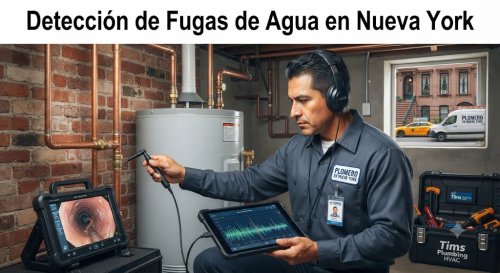
Drain Cameras: Waterproof push-rod cameras that reveal exact interior pipe conditions, cracks, and root masses.
-
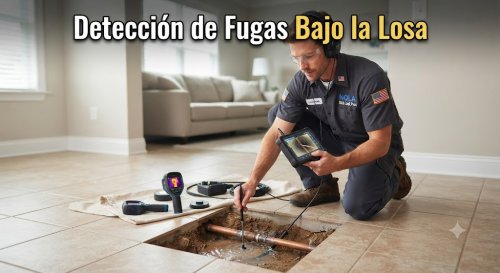
Leak Detection Equipment: Acoustic sensors used to map underground pipe trajectories and structural anomalies.
-
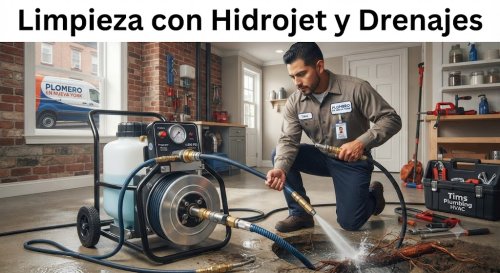
Hydro Jetting: High-pressure water scouring units that strip away grease, scale, and stubborn tree roots completely.
-
Pipe Locators: Radio-frequency transmitters that track underground pipe depth and layout from the surface.
-
Pressure Testing Gauges: Precision instruments used to check system integrity.
-
Pipe Inspection Cameras: Advanced optic scopes for detailed joint and wall analysis.
-
Trenchless Equipment: Pipe bursting and epoxy lining systems that rehabilitate lines without digging up historic landscaping.
How Long Does the Repair Usually Take?
-
Simple repairs: 1 to 2 hours for clearing a localized blockage using a mechanical auger or basic snake.
-
Moderate repairs: 3 to 5 hours for thorough hydro-jetting and clearing heavy root intrusions or grease mats.
-
Major repairs: 1 to 2 days for excavating and replacing collapsed main sewer lateral sections.
-
Emergency repairs: Immediate response and containment take minutes, with complete line restoration usually finished same-day.
-
Factors Affecting Repair Time: Depth of the buried sewer line, extent of root damage, soil composition, and accessibility beneath structures.
Cost Factors
Plumbing repair costs vary depending on the severity of the problem, accessibility, materials required, emergency service, property type, and local labor rates.
-
Diagnostic fees: Flat-rate charges for dispatching a technician and running a camera inspection.
-
Parts: Cost of replacement PVC piping, fittings, and cleanout adapters.
-
Labor: Certified technician hours required for excavation, clearing, or pipe replacement.
-
Emergency service charges: Premium rates for after-hours, weekend, or holiday emergency dispatches.
-
Equipment needed: Specialized deployment of hydro-jetters or trenchless repair machinery.
-
Permit costs: Municipal fees required for major street-side or property-line plumbing modifications.
-
Replacement vs repair: Spot patching versus total sewer lateral renewal.
-
Accessibility of pipes: Additional labor if lines run deep underground, under concrete slabs, or beneath historic porches.
Hidden Truths Homeowners Should Know
-
Small slow drains quickly escalate into major raw sewage backups if ignored.
-
Cheap chemical drain openers fail to remove tree roots and corrode historic pipe walls.
-
Homeowners insurance policies frequently deny coverage for damage caused by neglected, deteriorating sewer lines.
-
Aggressive tree roots will repeatedly invade damaged sewer laterals until the compromised pipe is fully replaced or lined.
-
Hard water deposits shorten the operational lifespan of water heaters and plumbing fixtures throughout the house.
-
DIY plumbing errors worsen initial damage and dramatically increase final professional repair costs.
-
Delaying repairs leads to severe structural decay, subfloor rotting, and hazardous mold colonies.
-
Hidden underground line cracks drive up municipal utility bills and saturate yard foundations.
-
Mold develops rapidly in humid southern environments, blooming within 24 hours of moisture exposure.
-
Routine annual sewer maintenance saves thousands of dollars in avoided emergency extraction and repair fees.
15 Common Mistakes Homeowners Make
-
Ignoring slow drains: Waiting until a multi-fixture backup floods the house.
-
Using chemical drain cleaners: Pouring harsh acids that damage old cast iron pipes.
-
Flushing wipes: Disposing of flushable wipes that create stubborn sewer clogs.
-
Pouring grease into drains: Allowing liquid fats to solidify and choke kitchen waste lines.
-
Ignoring gurgling sounds: Overlooking audio cues of trapped air and blocked venting.
-
Hiring unlicensed handymen: Risking substandard work and code violations.
-
Skipping maintenance: Failing to schedule annual sewer camera inspections.
-
Waiting until emergencies: Delaying service until total system failure occurs.
-
Using wrong pipe materials: Mixing incompatible metals or substandard plastics.
-
Over-tightening fittings: Cracking fragile pipe connectors and threaded joints.
-
Failing to locate cleanouts: Wandering blindly during an active sewage overflow.
-
Neglecting outdoor drains: Allowing leaves and debris to clog yard catch basins.
-
Improper waste disposal: Flushing inappropriate sanitary items down toilets.
-
Delaying backwater valve installation: Leaving low-lying areas vulnerable to municipal surcharges.
-
Not checking meter dials: Overlooking slow utility meter turns that signal hidden leaks.
Maintenance Tips
-
Inspect exposed basement and crawlspace pipes monthly for signs of moisture or weeping joints.
-
Schedule a professional sewer camera inspection annually to catch root intrusion early.
-
Never pour cooking oil, grease, or coffee grounds down kitchen sink drains.
-
Install hair catchers in all shower, tub, and bathroom sink drains.
-
Plant large trees and deep-root shrubs well away from your underground sewer line path.
-
Flush your water heater tank yearly to prevent internal sediment accumulation.
-
Test your main water shutoff valve semi-annually to ensure proper operation.
-
Keep outdoor cleanout caps tightly sealed and clearly marked.
-
Avoid flushing any hygiene products, paper towels, or wipes down toilets.
-
Clean aerators regularly to maintain balanced household water pressure.
-
Know the exact location of your main shutoff valve and outdoor sewer cleanout.
-
Keep emergency plumbing contact information saved in your mobile phone.
-
Address slow-draining fixtures immediately before they turn into full backups.
-
Use enzyme-based maintenance treatments recommended by professional plumbers.
-
Ensure sump pumps and backwater valves are functioning properly before heavy seasonal rains.
When Should You Call an Emergency Plumber?
-
Burst pipes: High-volume water spraying uncontrollably inside living areas.
-
Sewage backup: Contaminated wastewater flooding upward through toilets, tubs, and floor drains.
-
No running water: Complete loss of municipal water supply without neighborhood outages.
-
Overflowing toilet: A bowl rising uncontrollably despite shutting off the fixture valve.
-
Gas line concerns: Smelling sulfur or rotten eggs near gas-powered appliances.
-
Major water leaks: Uncontrolled flooding from broken supply or waste lines.
-
Flooding: Standing water accumulating rapidly from severe plumbing failures.
Frequently Asked Questions
-
Why is my water pressure suddenly low? Sudden pressure drops usually stem from a partially closed main valve, a failing pressure-reducing valve, or a hidden supply leak.
-
How much does leak detection cost? Costs vary based on property size and equipment required, but professional electronic detection provides precise results to save on excavation costs.
-
Can a clogged drain damage pipes? Yes, prolonged pressure from severe clogs and chemical cleaners can crack pipe joints and lead to major leaks.
-
Is hydro jetting safe for old pipes? A licensed plumber evaluates pipe age and material before adjusting water pressure levels to ensure safe, effective cleaning.
-
How do I know if my sewer line is broken? Frequent backups, soggy yard patches, and foul odors point directly to a compromised sewer lateral.
-
How long do water heaters last? Standard tank water heaters generally last between 8 to 12 years with proper annual maintenance.
-
Why does my faucet drip? Dripping faucets usually stem from worn-out internal washers, O-rings, or corroded valve seats.
-
What causes pipes to burst? Pipes burst due to severe water pressure, extreme freezing temperatures, heavy corrosion, or physical ground shifts.
-
Can plumbing leaks increase my water bill? Even a small hidden leak can waste hundreds of gallons daily, driving up utility bills significantly.
-
When should I replace plumbing instead of repairing it? If your home has heavily corroded pipes or recurring backups, a full sewer line replacement or trenchless relining is safer and more cost-effective.