Emergency Plumber New Orleans: Urgent Issues Fixed
Discover what plumbing problems need immediate help from an emergency plumber in New Orleans. Learn warning signs, causes, and steps to call.
Emergency Plumbing in New Orleans
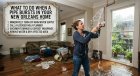
Facing unexpected plumbing disasters can instantly disrupt your home or business. Property owners across New Orleans and surrounding Jefferson Parish communities—including Metairie, Kenner, Gretna, and the French Quarter—frequently encounter sudden plumbing failures due to the region's high water table, shifting delta soils, and aging infrastructure. When a major leak or sewage overflow strikes, knowing what plumbing problems need immediate help is crucial to safeguarding your property. Homeowners often search for urgent advice because delayed responses lead to massive structural damage, hazardous mold growth, and expensive restoration bills. Recognizing when to contact Plumber in New Orleans ensures your home receives professional care before minor issues escalate.
What Is an Emergency Plumbing Situation?
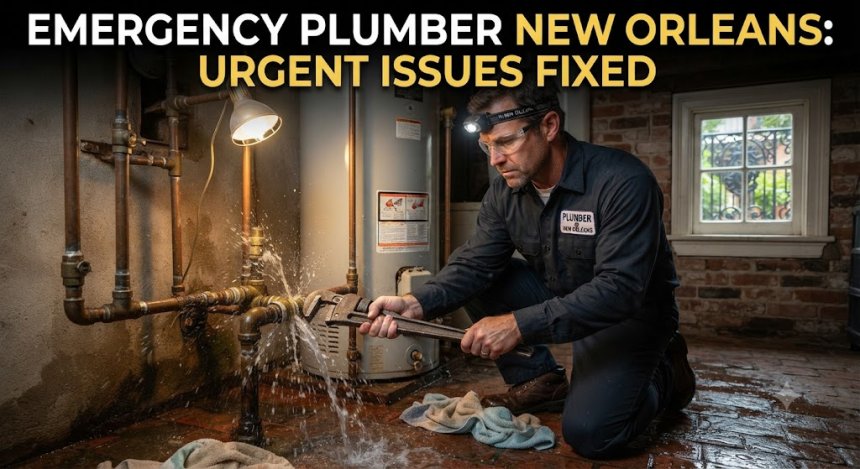
An emergency plumbing situation involves any critical pipe, drain, or fixture failure that poses an immediate threat to human health, safety, or the structural integrity of a property.
-
Definition: A severe plumbing breakdown requiring instant intervention to stop active flooding, sewage contamination, or total loss of essential water services.
-
Common Situations: You wake up to raw sewage backing up into your bathroom shower, or a supply line snaps, sending water pouring across your hardwood floors.
-
Symptoms: Uncontrollable gushing water, sewage bubbling up through indoor drains, sudden total loss of water pressure, and foul gas odors.
-
Examples: A New Orleans homeowner finds their kitchen ceiling collapsing under the weight of a ruptured supply pipe during a late-night freeze.
Why Does This Plumbing Problem Happen?
Urgent plumbing crises rarely happen without underlying mechanical, environmental, or material triggers breaking down over time.
-
Aging Infrastructure and Corrosion: Decades-old galvanized steel and cast-iron pipes corrode internally, becoming brittle and prone to catastrophic failure.
-
Shifting Delta Soils: The unique ground conditions in Orleans and Jefferson parishes shift constantly, placing immense stress on rigid underground and under-slab pipes.
-
Excessively High Water Pressure: Municipal water pressure surges can blow out older pipe fittings, flexible supply lines, and water heater tanks.
-
Tree Root Infiltrations: Aggressive root systems wrap around buried service lines, expanding micro-cracks until the pipe completely fractures.
-
Improper Disposal Habits: Flushing non-flushable wipes or pouring grease down drains creates severe, sudden blockages that burst pipe joints.
Signs You Should Never Ignore
-
Spiking Water Bills: A sudden, unexplained jump in your monthly water utility bill often indicates a hidden, continuous leak.
-
Musty Odors and Mold: Damp structural cavities quickly produce earthy smells and hazardous mold colonies within 24 to 48 hours.
-
Discolored or Rusty Water: Brown or yellow water coming from taps signifies that interior pipe walls are rapidly degrading.
-
Strange Gurgling Noises: Toilets or drains that gurgle when other fixtures are used point to trapped air or a blocked main sewer line.
-
Damp Walls and Water Stains: Soft drywall or peeling paint highlights active water damage spreading behind your finished walls.
Common Plumbing Problems Related to This Issue
-
Pipe Leaks: Minor pinhole weeping leaks frequently escalate into major high-pressure pipe bursts.
-
Drain and Sewer Backups: Main line clogs cause raw wastewater to overflow into tubs, showers, and lower-level living spaces.
-
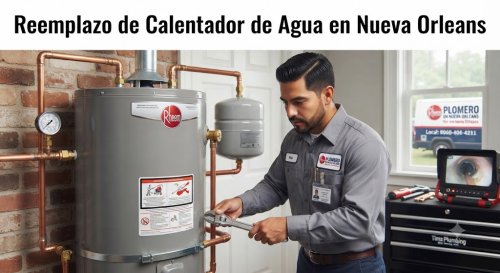
Water Heater Failures: Tank corrosion or element short-circuits can flood utility rooms and cut off hot water supplies instantly.
-
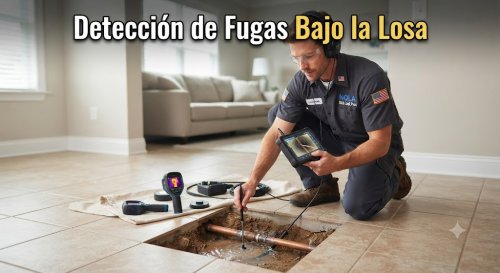
Slab Leaks: Water lines breaking beneath concrete foundations erode sub-base soils and cause severe structural settling.
Step-by-Step Professional Repair Process
When you call a licensed plumbing team to handle an urgent crisis, a structured methodology ensures safety, accuracy, and a lasting fix.
-
Step 1: Inspection: The technician locates the main water or gas shut-off valve and assesses the scope of the hazard.
-
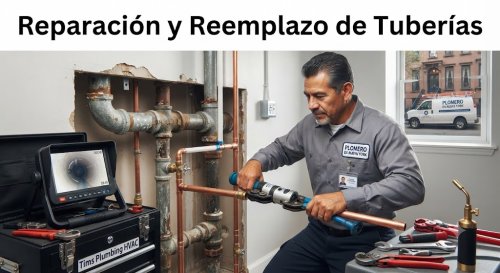
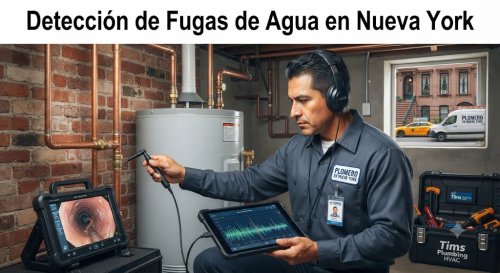
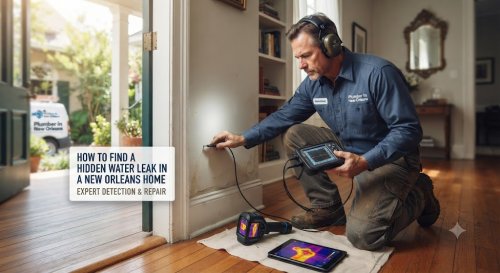
Step 2: Diagnosis: Using electronic acoustic detectors and video drain cameras, the plumber pinpoints the exact failure source.
-
Step 3: Estimate: You receive a clear, upfront explanation of the required repair strategy and transparent pricing before work begins.
-
Step 4: Repair: The plumber shuts down the affected line, removes damaged components, and installs durable modern replacement materials.
-
Step 5: Testing: The system is slowly repressurized and monitored to verify structural integrity, joint stability, and proper flow rates.
-
Step 6: Cleanup: Standing water or debris is cleared from the work area to restore a safe, clean environment.
-
Step 7: Maintenance Advice: The technician provides practical recommendations for preventing future plumbing emergencies.
Can You Fix It Yourself?
-
Safe DIY Solutions: Locate and immediately close your property’s main water shut-off valve to halt active indoor flooding.
-
What Homeowners Can Safely Do: Turn off electrical breakers supplying power to flooded rooms and move valuables away from standing water.
-
When DIY Becomes Dangerous: Attempting to clear main sewer lines with mechanical snakes without knowing pipe conditions can rupture old cast iron.
-
When Professional Plumbing is Necessary: Any crisis involving high-pressure supply line bursts, major sewage overflows, or gas lines requires licensed expertise.
Tools Professionals Use
-
Electronic Acoustic Leak Detectors: High-gain listening devices used to trace hidden water leaks behind walls or beneath concrete.
-
Drain Inspection Cameras: Waterproof fiber-optic cameras that navigate sewer lines to locate cracks, roots, and blockages visually.
-
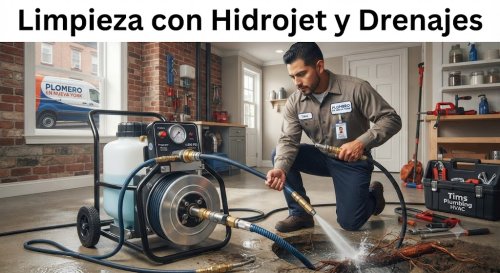
Hydro Jetting Machines: High-pressure water blasters that scour interior pipe walls clean of stubborn grease, scale, and roots.
-
Line and Pipe Locators: Electromagnetic tracking tools that map exact underground utility routes without guesswork.
How Long Does the Repair Usually Take?
-
Simple Fixture Valve Fixes: 1 to 2 hours for minor supply shut-off or cartridge replacements.
-
Moderate Drain or Pipe Clearings: 2 to 4 hours to clear severe clogs or patch localized pipe leaks.
-
Major Main Line Replacements: 1 to 2 days depending on excavation requirements and depth.
-
Emergency Isolation: Immediate dispatch response within minutes to hours depending on local traffic and distance.
Cost Factors for Plumbing Repairs
Plumbing repair costs vary depending on the severity of the problem, accessibility, materials required, emergency service, property type, and local labor rates.
-
Diagnostic Fees: Standard service call fees for dispatching a technician and running diagnostic tests.
-
Accessibility and Depth: Pipes buried deep underground or inside finished structural walls require intensive labor to access.
-
Materials Required: Upgrading old materials to modern PEX, copper, or PVC impacts overall investment.
-
Emergency Dispatch: After-hours, weekend, or holiday callouts involve adjusted labor rates.
-
Restoration Requirements: Repairing drywall, flooring, or landscaping cutouts after the plumbing fix.
Hidden Truths Homeowners Should Know
-
Small weeping water leaks rapidly erode supporting framing and subfloor materials.
-
Cheap temporary tape patches on high-pressure lines invariably fail under continuous operational load.
-
Standard homeowners insurance policies may deny claims resulting from long-term, neglected plumbing decay.
-
Aggressive tree roots will return to the exact same sewer line path unless the pipe is replaced.
-
Hard water scale inside older metal pipes restricts flow and accelerates metal fatigue.
-
DIY repair mistakes frequently double the financial cost of subsequent professional interventions.
-
Delaying emergency repairs invites extensive structural wood rot and dangerous mold colonization.
-
Silent underground leaks inflate monthly utility bills long before surface damage appears.
-
Annual plumbing maintenance saves money by catching failing components early.
-
Professional repair ensures full compliance with local municipal plumbing codes.
15 Common Mistakes Homeowners Make
-
Ignoring minor water stains on ceilings until a full collapse occurs.
-
Failing to locate the main property water shut-off valve before an emergency.
-
Pouring harsh chemical drain openers into blocked, fragile pipes.
-
Flushing wet wipes, paper towels, or hygiene products down toilets.
-
Pouring cooking grease and oils down kitchen sink drains.
-
Ignoring sudden drops or surges in household water pressure.
-
Hiring unlicensed handymen for complex high-pressure pipe or gas work.
-
Skipping annual water heater flushes and plumbing inspections.
-
Waiting for a catastrophic flood before calling a professional.
-
Using incorrect pipe diameters during amateur plumbing repairs.
-
Over-tightening fragile threaded plumbing fittings during DIY fixes.
-
Planting large shade trees directly over buried sewer lines.
-
Failing to insulate exposed exterior hose bibs during rare freezes.
-
Ignoring rapid spinning movements on the water meter dial.
-
Delaying professional evaluations when musty odors appear.
Maintenance Tips for Reliable Plumbing
-
Test your main property water shut-off valve twice a year to ensure smooth operation.
-
Monitor your water utility meter monthly for unexpected consumption spikes.
-
Schedule professional pressure-reducing valve checks every few years.
-
Insulate all exposed water supply lines in crawlspaces and exterior walls.
-
Install smart home water leak detection sensors near high-risk appliances.
-
Keep large trees and deep-rooted shrubs safely distanced from sewer lines.
-
Flush your water heater annually to prevent sediment build-up and pressure stress.
-
Check indoor faucet aerators regularly for trapped mineral scale and debris.
-
Keep the main shut-off valve clearly labeled and completely unobstructed.
-
Replace aging galvanized supply pipes before they corrode completely.
-
Avoid exposing plastic supply lines to direct sunlight or harsh chemicals.
-
Keep emergency plumbing contact numbers saved in your mobile phone.
-
Hire licensed professionals for any major plumbing renovations or additions.
-
Maintain a dedicated home repair fund for unexpected plumbing emergencies.
-
Inspect your crawlspace or basement periodically for moisture accumulation.
When Should You Call an Emergency Plumber?
-
Burst Supply Pipes: Major high-pressure water leaks gushing inside walls or ceilings.
-
Severe Sewage Backups: Raw wastewater overflowing from floor drains or toilets.
-
Total Loss of Water Supply: Complete absence of water at every fixture on the property.
-
Overflowing Toilets: Fixtures that continue to run and spill over despite shutting off the base valve.
-
Major Flooding: Water pooling rapidly across living areas from unknown plumbing sources.
Frequently Asked Questions
-
Why is my water pressure suddenly low? Low pressure is typically caused by clogged aerators, a failing pressure reducing valve, or an active underground leak.
-
How much does leak detection cost? Costs vary based on equipment and property size, but professional detection prevents destructive exploratory digging.
-
Can a clogged drain damage pipes? Yes, severe pressure backups from clogged drains can crack pipe joints and cause major leaks.
-
Is hydro jetting safe for old pipes? A licensed plumber must inspect pipe condition first; fragile older lines may require gentler cleaning methods.
-
How do I know if my sewer line is broken? Frequent backups, soggy lawn patches, and foul sewer odors are primary indicators of a broken line.
-
How long do water heaters last? Standard tank water heaters typically last between 8 to 12 years with proper maintenance.
-
Why does my faucet drip? Worn internal washers, O-rings, or valve seats usually cause persistent faucet dripping.