Why Does My New Orleans Historic Home Have Low Water Pressure?
Discover common causes of low water pressure in New Orleans historic homes, from aging galvanized pipes to Louisiana mineral buildup, and how to address it.

Stepping into a classic New Orleans historic home—whether it is a Creole cottage in the Marigny or a grand raised center-hall house in the Garden District—offers an undeniable architectural charm. However, maintaining these century-old properties comes with distinct challenges. One of the most frequent complaints homeowners and property managers voice is a frustrating trickle of water coming out of the bathroom faucet or showerhead. Low water pressure is a common headache across the city, and understanding why it happens requires looking at both local infrastructure and the unique history of your property's plumbing system.
The Legacy of Galvanized Steel Pipes
Many older residences in New Orleans still retain portions of their original plumbing, or updates that were performed decades ago using galvanized steel piping. While sturdy in their time, galvanized pipes have a notorious lifespan. Over decades of exposure to mineral-rich water, iron builds up on the interior walls of these pipes. This internal corrosion gradually chokes off the diameter of the pipe, severely restricting water flow long before the pipe actually springs a leak.
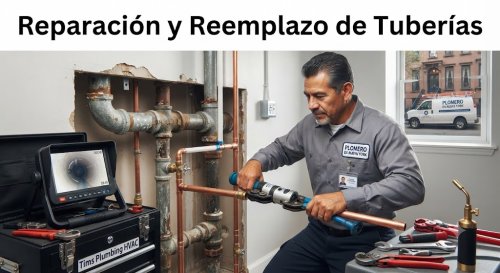
When you turn on a faucet in a home with heavily corroded galvanized lines, you might notice adequate pressure for a split second before it drops off dramatically, or a steady, weak stream that never quite satisfies. Replacing these aging sections with modern PEX or copper piping is often the only permanent fix to restore proper flow throughout the house.
Mineral Buildup and Louisiana Water Conditions
The water supply sourced from the Mississippi River brings its own set of characteristics. Mineral accumulation is a silent contributor to diminishing water pressure. Over time, calcium and other sediments precipitate out of the water and accumulate inside aerators, showerheads, and inline pressure-regulating valves (PRVs).
- Faucet Aerators: Tiny mesh screens at the tip of your kitchen and bathroom faucets easily trap fine sediment and grit, cutting off flow at individual fixtures.
- Showerheads: Mineral scale can clog individual nozzle openings, resulting in an uneven or weak spray.
- Pressure Regulating Valves (PRVs): If your home is equipped with a PRV to control incoming municipal water pressure, internal springs and strainers can become clogged or worn out by sediment, causing pressure to drop house-wide.
Hidden Leaks in Aging Foundation Systems
New Orleans presents unique geological conditions, featuring high water tables, shifting clay soils, and settling foundations. Many historic properties sit on raised brick piers or concrete slabs. Ground movement and foundation settling place immense stress on underground or under-floor water supply lines.
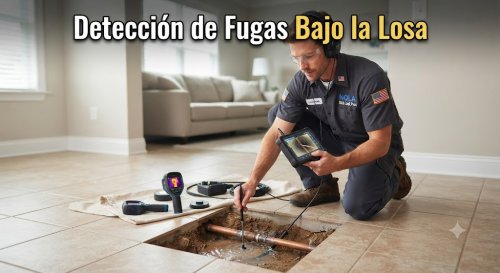
When a supply pipe cracks or develops a slow pinhole leak beneath the slab or crawlspace, water escapes into the surrounding soil or sub-structure instead of reaching your fixtures. A sudden, unexplained drop in pressure can be an early indicator of a hidden water leak requiring professional leak detection services.
Municipal Supply and Neighborhood Variations
Sometimes, the issue originates outside your property lines. The municipal water distribution network managed by the Sewerage and Water Board of New Orleans (SWBNO) is centuries old in certain sectors. Aging city mains, frequent main breaks, and high local demand during peak hours can temporarily cause city-wide or neighborhood-specific pressure fluctuations.
If your neighbors are experiencing similar drops in flow, or if the issue coincides with local street repairs, the constraint may lie with the city supply rather than your interior plumbing system.
Diagnosing and Addressing Low Water Pressure
Pinpointing the exact cause of low water pressure in a historic New Orleans property starts with a systematic check:
- Isolate the issue: Check multiple faucets across different rooms. If only one sink has low pressure, remove and clean the aerator. If the entire house is affected, the root cause is likely upstream at the main shut-off valve, PRV, or service line.
- Inspect the main valve: Ensure your main water shut-off valve is fully open. Sometimes a valve that was partially closed during previous maintenance is never fully reopened.
- Monitor your water meter: Check your water meter with all indoor and outdoor faucets turned off. If the dial is spinning, you likely have an active leak wasting water and draining your pressure.
Navigating the plumbing complexities of an older New Orleans home requires patience and an understanding of historic construction methods. Upgrading outdated materials and addressing mineral accumulation will help protect your property's plumbing integrity while restoring comfortable water flow to your daily routine.
Frequently Asked Questions
Why is my hot water pressure lower than my cold water pressure?
If only your hot water pressure is weak, the issue usually points to your water heater. Sediment accumulation at the bottom of the tank can restrict outgoing flow, or the inlet/outlet valves on the water heater may be partially closed or clogged with mineral scale.
Can high water pressure damage my historic pipes?
Yes. While low pressure is frustrating, excessively high municipal pressure can strain older joints, soldered connections, and fragile historic pipes, eventually leading to sudden bursts or hidden leaks. A functioning Pressure Regulating Valve keeps your system safely balanced.
How do I know if my galvanized pipes need replacement?
Aside from chronic low water pressure, discolored or rusty water when you first open a tap is a clear sign of internal pipe corrosion. A professional plumbing inspection can evaluate the condition of your pipes and recommend targeted replacement options.